Basset Hound Dog Breed
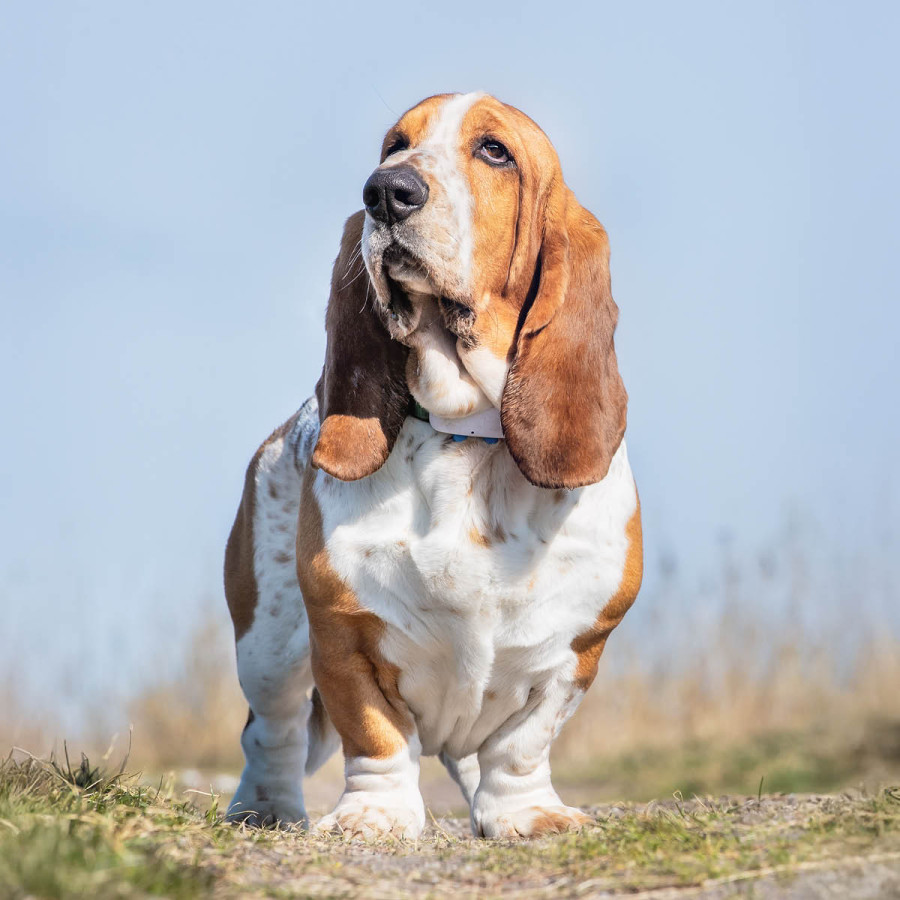
The Basset Hound is a medium-sized, low-to-the ground, type of scent hound.
The Basset Hound is a medium-sized, low-to-the ground, type of scent hound.
Bassett Hounds have distinctive long ears, a long back and very short legs. These dogs were originally used to track rabbits, hares, and badgers. Their incredible sense of smell is only second to the Bloodhound!
An affectionate yet independent thinker, the Basset Hound is listed by the British Kennel Club as an ‘extreme breed’. This means their exaggerated conformation (overall physical structure) affects their health and welfare.
The Basset Hound can make a wonderful companion. They don’t need hours of exercise and enjoy a good snuggle with their family.
They’re great watchdogs, but barking is about as far as their home protection skills go. In fact, barking is something they quite enjoy, so be prepared for this!
This breed can be quite playful, but only when the mood takes them.
As a dog with a very strong sense of smell, they can also be easily distracted. Be sure to keep food items out of their reach – there’s absolutely no chance of you hiding anything from them!
Like many dogs, they need regular walks but can’t cope with long hikes or vigorous exercise.
Disclaimer
While these breed traits give a general idea of what to expect from a specific type of dog, it's important to remember that every dog is unique. Just like people, each dog comes with their own distinct personality, quirks, and characteristics!
If you’re looking for a family pet, you can’t go wrong with a Basset Hound. They’re a tolerant and affectionate breed who would make a great addition to your home. Bassets can adapt to a variety of domestic environments, whether it’s a busy or quiet home.
While they’re not always the most playful of breeds, they enjoy children getting involved in hiding treats for them to find. They also love a snuggle and will happily soak up the attention of children, whether it’s a game of find-it or even having a book ‘read’ to them!
While exercise is important for these dogs, long hikes aren’t their thing and should be avoided.
Being a vocal breed, parents with young babies may find their barking could make sleeping tricky.
It’s possible to leave your Basset Hound home alone if they’ve had the right training early on in their life.
Bassets can pretty much adapt to any domestic setting, but there are some exceptions to think about.
Their long backs make it difficult for them to tackle lots of steps or stairs, so this will need to be given consideration.
Due to their barking, it’s probably not wise to keep a Basset in an apartment, because it may bother neighbours. Likewise, babies may not appreciate their barking either and find it hard to sleep.
This loyal and affectionate breed are perfect for a couple, someone who works from home, or a retired person. With the right socialisation they can live well with other dogs and small pets.
Access to an enclosed garden is also high on this breed’s wish list.
Bassets have an independent streak and will often sneak off for some ‘me-time’, but they can also be incredibly affectionate. They love a good cuddle on the sofa and will give you a nudge if you don’t give them attention.
Being such a friendly breed, they’ll lap up attention from any dog-lovers in your household. So you’ll need to be prepared to share their affections!
Bassets are playful but not in the same way as some other breeds.
While most dogs get excited when you pick up a toy, a Basset needs to be in the mood.
They enjoy chasing a soft toy but they aren’t natural retrievers, which rules out games of fetch. They prefer activities that involve them using their nose, such as hide and seek. Anything that involves them finding hidden treats around the house and garden are more their sort of thing!
Food is what really motivates this breed. They love a long-lasting chew toy like a frozen stuffed kong.
Bassets aren’t afraid to let themselves be heard. They have a range of vocalisations including whining, barking – and, of course, the unique ‘scent hound bay’. Baying is like a cross between a bark and a howl. This typically happens when they’re excited or chasing a scent. You should be prepared for it any time though. They might do it when left home alone, when they’re feeling distressed, or when they want to make you aware of potential intruders.
If you’re looking for a quiet dog, the Basset Hound is probably not the breed for you.
Any breed can develop behavioural issues if their needs aren’t met.
It’s essential for a Basset Hound to have regular daily physical exercise, opportunities for a good sniff, and mental stimulation. Without these things, it’s likely you’ll encounter some behaviour issues.
Being a loyal and affectionate breed, Bassets can experience separation related issues such as howling and barking.
As a breed who likes the sound of their own voice, they’re also prone to nuisance barking.
When they’re distracted or laser focused on a scent, it’s not unusual for this breed to adopt ‘selective deafness’, which might come across as stubborn.
All scent hounds like to dig – it’s in their nature. If you fail to meet their needs, there will be consequences – like your garden resembling the surface of the moon!
It’s very risky to let a Basset off the lead. Once on a scent, you can expect their recall to become very unreliable.
Basset Hounds need between 30 minutes to 1 hour of exercise every day. Ideally, two or three 15-20 min walks at a time.
They love exercise that allows them to use their nose to track different scents. Low impact outings like walks rather than running and jumping are best. This helps to protect their delicate backs from injury.
For off-lead exploration, it’s advised that you only use secure areas if possible. Bassets are prone to selective hearing while on a scent, so it can be tricky getting them to come back to you.
Once your Basset is home from an outing, they’ll probably want to sleep it off and recuperate.
If you’re looking for a dog who will enjoy long hikes, or take part in agility training, the Basset Hound probably isn’t the breed for you.
Yes, if you know what motivates them – which is food! Bassets are renowned for being food-driven, which means they’re easy to motivate when it comes to learning new skills.
All puppies need socialisation and habituation training. This ensures they learn how to interact with their environment – and what to ignore.
This training forms a solid foundation for basic obedience training.
Bassets are sometimes described as stubborn due to their habit of ignoring a recall cue when tracking a scent, also known as selective hearing! Teaching them to come when called is essential for them to enjoy off-lead exercise in an enclosed area.
Home alone training is also something to put time into when they’re young. Adolescence can be a challenging time for any breed, and the Basset is no exception. Stay patient and don’t give up – your hard work will pay off once they hit maturity.
The Basset Hound is a moderate shedder. They shed all year round, but not as much as other breeds, due to their short hair.
These dogs have a double coat consisting of a soft undercoat and short smooth topcoat. If you brush your Basset a couple of times a week with a pin and a slicker brush, you can keep shedding to a minimum.
Regular grooming sessions also give you the opportunity to check your dog for lumps, cuts, or parasites that may need attention.
The most important part of grooming a Basset is checking their ears and skin folds. This dog’s ears are long and heavy, and they’re prone to ear infections. It’s important to keep them clean by using damp cotton wool balls once a week.
Likewise, you’ll need to clean their skin folds every week with a damp cloth. Be sure to dry them properly afterwards to avoid soreness. Their skin folds are around their dewlap (loose skin on their chest) and around their ankles.
If a Basset’s ears seem hot, red or smelly, contact a vet as soon as possible.
Basset Hounds are classified by the British Kennel Club as an ‘extreme breed’. This means that their conformation/features are both extreme and exaggerated and this affects their overall well-being.
Health conditions that can affect Basset Hounds include:
• Hip and elbow dysplasia – where the joints are irregular, causing arthritis and pain.
• Glaucoma – associated with pressure in the eye, causing damage to the optic nerve, and can result in blindness.
• Entropion – a condition that result in the dog’s eyelashes rubbing on the eyeball.
• Ectropion – a condition where the eye lid droops down, often leading to infection.
•Wobbler Syndrome – a neurological issue in the spine that affects movement.
•Thrombopathia – blood clotting issue.
• Dilated cardiomyopathy – this is an enlargement of heart chambers that can lead to heart failure.
• Kidney/bladder stones – these can cause pain and difficulty passing urine. If a blockage occurs, it becomes a medical emergency and a vet should be consulted immediately.
• Intervertebral disc disease – this is where one or more of the discs in the spine degenerate cause pain.
Additionally, Bassets are prone to various ear problems due to the size and weight of their ears.
They’re also at risk of bloat (gastric dilation/torsion). This is a life-threatening emergency that requires immediate veterinary intervention. If you notice that your dog’s stomach becomes hard and/or bloated and they seem lethargic, contact your vet immediately.
I need a couple of walks a day that involve using my nose. I like to play with other dogs, but I get tired quickly!
Without activities that involve using my nose, I would get pretty down. I love sniffing around to find treats and toys that you have hidden for me!
I enjoy being with my family, so please teach me to cope with being home alone for a few hours. I’d also like to get involved in sports that involve tracking, like man trailing.
If you’re looking to buy a Basset puppy, we strongly advise doing your research and finding a breeder that carries out all the required health tests on their breeding stock.
You should expect to pay between £1,200 and £2,400.
The set-up costs for any puppy can be several hundred pounds. This includes, food, bowls, collar, lead, harness, longline, baby-gates, toys, and beds etc.
The ongoing costs include insurance premiums, vaccinations, parasite control, secure field hire, food etc.
Take our quiz to discover which breed is right for you
Take our quizPlease call our pet support line on 0300 303 9333 (7 days a week – 8.30am - 4pm)