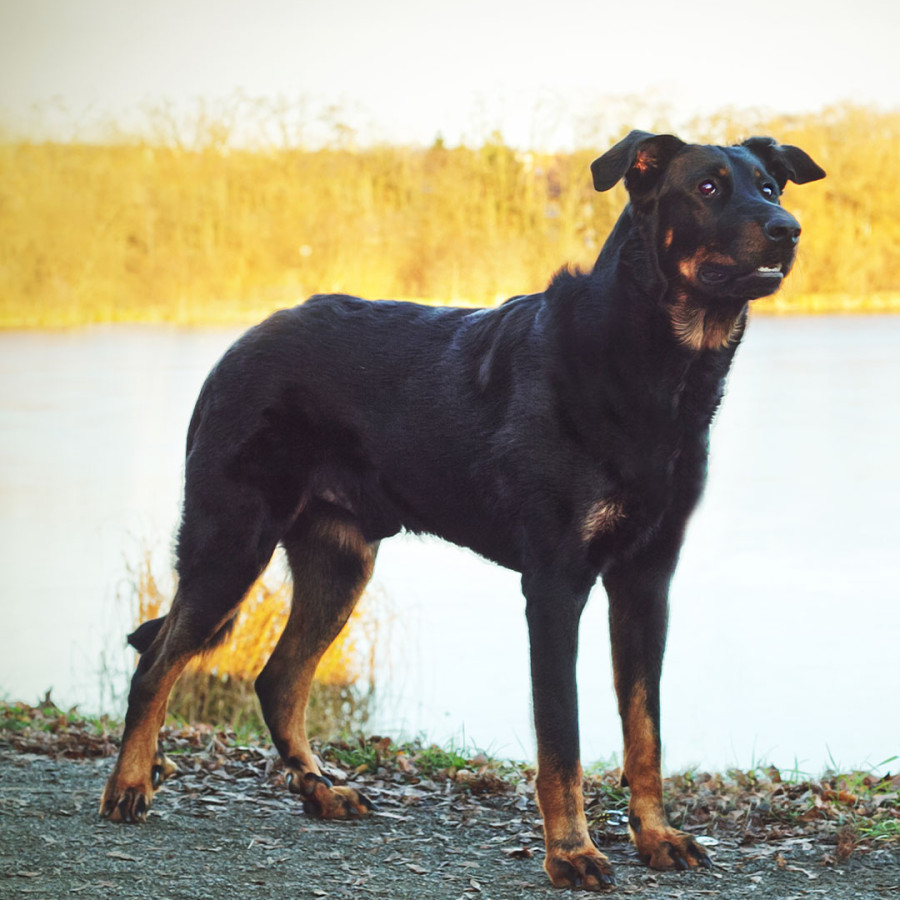
Beauceron Dog Breed
Larger than life in more ways than one – and perfect for outdoorsy families.
Larger than life in more ways than one – and perfect for outdoorsy families.
The Beauceron is a large herding dog from France. They’re athletic, super smart, and very loyal to their family.
Exercise, training and company every day are must for this breed. They’re a good match for active, experienced people who enjoy training and spending time outdoors.
These dogs are confident, clever, and full of energy. They were originally bred to herd and guard sheep across the farmland of northern France – and that’s nothing to sniff at!
A Beauceron is happiest when they have something to do, especially with human company. At home, they like to keep a close eye on their family. They’re known for choosing a spot to rest where they can see who's coming and going!
Around their own people, Beaucerons are usually warm, playful, and loyal. With strangers, they can be more reserved and watchful until they feel comfortable.
They're fast learners and equally as quick making their own decisions if you don’t set them on the right path! Living with this breed is like a partnership. If you meet their needs for exercise, training and company, they can make incredibly rewarding companions.
Disclaimer
While these breed traits give a general idea of what to expect from a specific type of dog, it's important to remember that every dog is unique. Just like people, each dog comes with their own distinct personality, quirks, and characteristics!
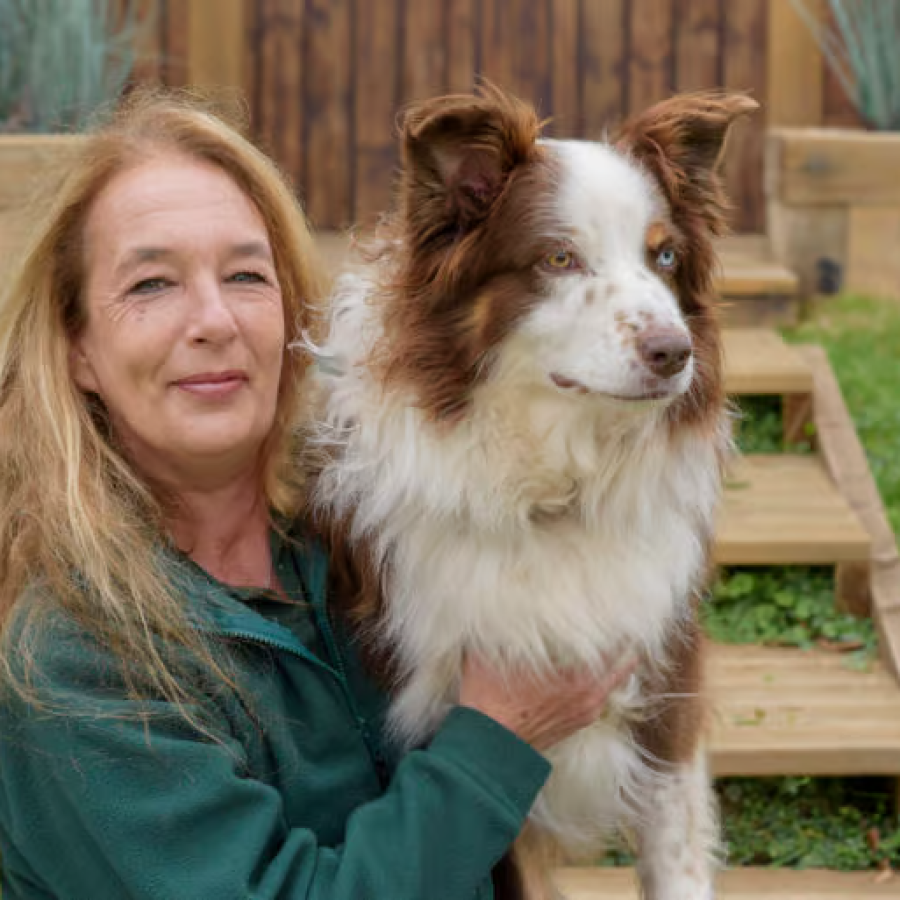
Yes, Beaucerons can make a wonderful family dog who forms strong bonds with every member of the household.
Although they get on with humans of all ages, their size, strength and herding instincts mean they’re not ideal for homes with very young children.
There natural instincts can make them prone to ‘herding’ little ones by circling, bumping or nipping at their heels. Teaching your dog calm games and supervising interactions with children of all ages will help keep everyone safe.
When it comes to living with other dogs, early socialisation is key. Socialisation is teaching a dog to interact in an appropriate way with people and other dogs. Some Beaucerons can be bossy with dogs of the same sex.
Their herding drive may lead them to chase cats and small pets. You can help prevent this with careful introductions.
Beaucerons are large dogs who need spacious homes to match! Being social butterflies, they also need a human around most of the time.
A house with a large, secure garden will tick all their boxes. Ideally, this will have a tall, strong fence, as they're agile and skilled jumpers. But remember, even the biggest garden isn’t a substitute for daily walks and training.
This breed is a good match for experienced owners who enjoy being active and spending time training. A home with older children, or adults only, is often a better fit than a busy household with very young children.
If you have other pets, you don’t need to rule out welcoming a Beauceron into your life. But careful introductions and supervision are important because of their herding drive.
Beaucerons are not fans of being left alone outside – it makes them frustrated and unsettled. They need to live indoors surrounded by their family, where they’re happiest.
Yes, Beaucerons are usually very affectionate with their family. They form close attachments and will often follow you around the home or lean against you for attention. If you tire them out with enough exercise, they’ll even enjoy relaxing with a nice cuddle on the sofa!
This affection is mostly saved for their own family. With new people, they’re polite but cautious. As you start earning their trust, they’ll usually start to warm up.
Their closeness to family means they really don’t like being left out. They need owners who can give them an abundance of time and company each day.
Yes, Beaucerons are playful dogs with heaps of energy to burn! They love games of fetch, tug and chase, as well as activities that challenge their minds like hide-and-seek with toys. Many will keep their playful side well into adulthood.
As a large, strong, fast dog, they often need a bit of guidance to play gently and safely – and be told when to stop! Some use their bodies to bump or block, which comes from their herding background. Dog sports such as agility, obedience, tracking and canicross can give them a positive outlet for their energy.
Beaucerons are moderate barkers. They’ll bark to alert you to visitors, unfamiliar sounds or anything unusual near the home. But here’s the bit you really need to know: their bark is deep, loud, and may unsettle neighbours!
Some may also bark when they're bored, frustrated or excited. The good news is you can reduce their barking if you make sure they get enough exercise and mental stimulation.
Top tip: teach them to respond calmy to the home doorbell and reward quiet behaviour from an early age. This can help them learn when barking isn't necessary – giving everyone a quieter life!
Beaucerons are high-energy, intelligent dogs. They can easily develop behaviour problems without enough exercise, mental stimulation and training. This could include chewing, digging or finding their own mischievous ways to stay busy!
Don’t underestimate their herding instincts. They can be prone to chasing, circling or nipping at almost anything that moves – including people, bikes and cars!
They’re also very protective of their home and family. This may develop into reactive behaviour towards strangers, visitors or other dogs, including excessive barking. You can manage this with good socialisation and habituation. Socialisation is teaching a puppy to interact in an appropriate way with people and other dogs. Habituation is teaching a puppy to ignore some people, other dogs, traffic, noises, livestock, etc.
If left alone for long periods, they’re likely to experience separation-related issues.
If you need help with your Beauceron's behaviour, call our free Pet Helpline for advice.
Quite a lot! Beaucerons need around two hours of exercise every day. They were bred to work long days on farms, moving and guarding flocks, so they have a lot of stamina. Their exercise should include brisk walks, off-lead running in safe areas, and active games.
Keeping their mind busy is just as important. You’ll need time for training sessions, scent games and dog sports to keep them satisfied. Puppies need shorter, gentler sessions to protect their growing joints.
Beaucerons are a deep-chested breed and face a greater risk of bloat, so it’s important to avoid hard exercise for an hour before and after meals.
Beaucerons are fairly easy to train for experienced owners. They're intelligent and fast learners, but they can also be independent and may be less enthusiastic about requests that don't make sense to them.
Short, varied, reward-based sessions work well, as they can lose interest with repetition. Harsh methods can damage their trust and make training harder.
Like all puppies, Beaucerons need early socialisation to help them feel at ease with people, dogs and new places. Habituation is also important, as it helps them get used to everyday sights and sounds without fear. This early work is especially important for a breed with guarding instincts.
Training these dogs should continue throughout their life, as behaviour problems often appear during adolescence. Common issues to look out for include herding and nipping, chasing moving things, and reactivity towards strangers, visitors or dogs. Barking and separation-related issues are also common.
Beaucerons have a short, thick double coat that’s fairly easy to maintain. Brushing two or three times a week with a firm bristle brush or rubber mitt removes loose hair and dirt. They shed more heavily in spring and autumn, when daily brushing with an undercoat rake can help.
These dogs have double dewclaws on their back legs, which are a normal feature of the breed. Their nails don't wear down naturally, so check and trim them regularly along with the rest of their nails.
Weekly checks of their ears, teeth and paws help spot problems early. You should also start grooming routines in puppyhood to help them learn to accept handling.
Beaucerons usually live for around 10-12 years. Regular vet check-ups, a balanced diet, and watching their weight can help reduce the risk of health problems. Common conditions in this breed include:
• Hip and elbow dysplasia: these are conditions where the joints don't form properly, causing pain and arthritis. Ask breeders for hip and elbow scores for both parents.
• Bloat (gastric dilatation-volvulus): this is a life-threatening emergency where the stomach fills with gas and can twist. Contact your vet straight away if you notice a swollen belly, retching without bringing anything up, or restlessness.
• Dilated cardiomyopathy: this is a heart condition where the heart muscle becomes weak and enlarged, so it can't pump blood well. Signs can include tiredness, coughing and fainting.
• Eye problems: some inherited eye conditions have been seen in this breed, so breeding dogs should be eye tested.
• Allergies: some Beaucerons develop skin or food allergies, which can cause itching and ear infections.
I'm a big, athletic dog with lots of stamina. I need around two hours of exercise every day, including brisk walks, free running and active games with you.
My clever brain needs to be kept busy. I love scent games, puzzle feeders and learning new skills. Without enough to think about, I may make up my own fun, and you probably won't like it!
I'm quick to learn and work with my human on my training. Please teach me a strong recall and calm manners, and help me learn not to herd people or chase things, because it’s really not ideal.
Purchase or adoption cost:
Buying a Beauceron puppy from a responsible breeder typically costs between £1,500 and £2,500. If you're considering adoption, rehoming fees from a rescue are usually around £200–£400 and often include initial health checks and vaccinations. We'd always encourage you to explore dogs available through Woodgreen or other reputable rescues first.
Start-up costs:
Before bringing your dog home, you'll need to budget for essentials like a bed, crate, lead, collar, food and water bowls. The initial vet costs include vaccinations and microchipping. This all typically comes to around £300–£500.
Ongoing monthly costs:
• Food: £50–£80 per month. They need a large-breed food, especially when they're growing.
• Insurance: £40–£80 per month. Premiums are often higher than average for a large, deep-chested breed.
• Grooming: £45–£65 per session, every 8–12 weeks. Professional grooming is optional, as most brushing can be done at home.
• Routine vet care: Flea and worming treatments, annual boosters and check-ups average around £250–£400 per year.
• Other costs: Budget for training classes, dog sports clubs and puzzle feeders.
Total estimated monthly cost:
£120–£240 per month, depending on your dog's individual needs, your location, and the products and services you choose.
Take our quiz to discover which breed is right for you
Take our quizPlease call our pet support line on 0300 303 9333 (7 days a week – 8.30am - 4pm)