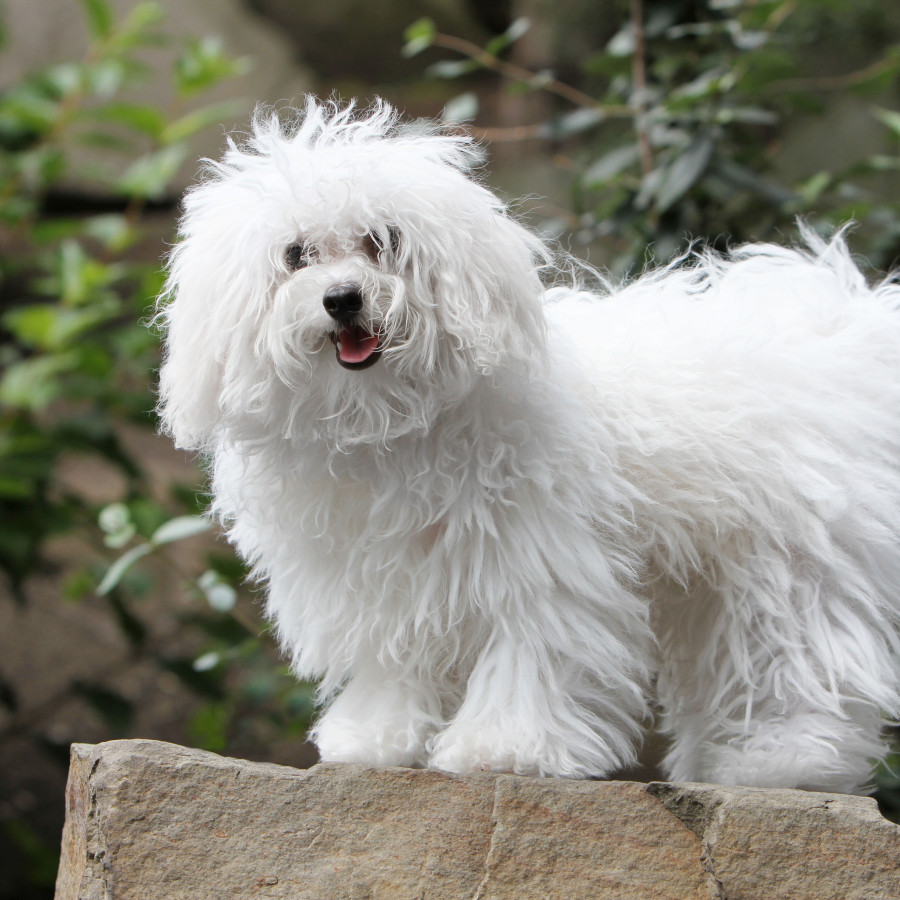
Bolognese Dog Breed
The Bolognese is a small companion dog from Italy.
The Bolognese is a small companion dog from Italy.
Bolognese are part of the Bichon family and have a fluffy white coat. This breed is calm and gentle. They bond closely with their family and can struggle with time alone. They may also be shy with strangers.
Bolognese dogs are devoted to their family. This breed is not very active; they prefer short walks and quiet time at home. They stay alert though, and will often bark when something unusual happens.
These dogs bond closely with their owners. They like to stay close by. This can make it hard for them to be alone. Time-alone training from puppyhood helps with this. Bolognese dogs are usually good with people they know. They may take time to trust new people. Good socialisation and habituation help them grow into confident dogs.
Disclaimer
While these breed traits give a general idea of what to expect from a specific type of dog, it's important to remember that every dog is unique. Just like people, each dog comes with their own distinct personality, quirks, and characteristics!
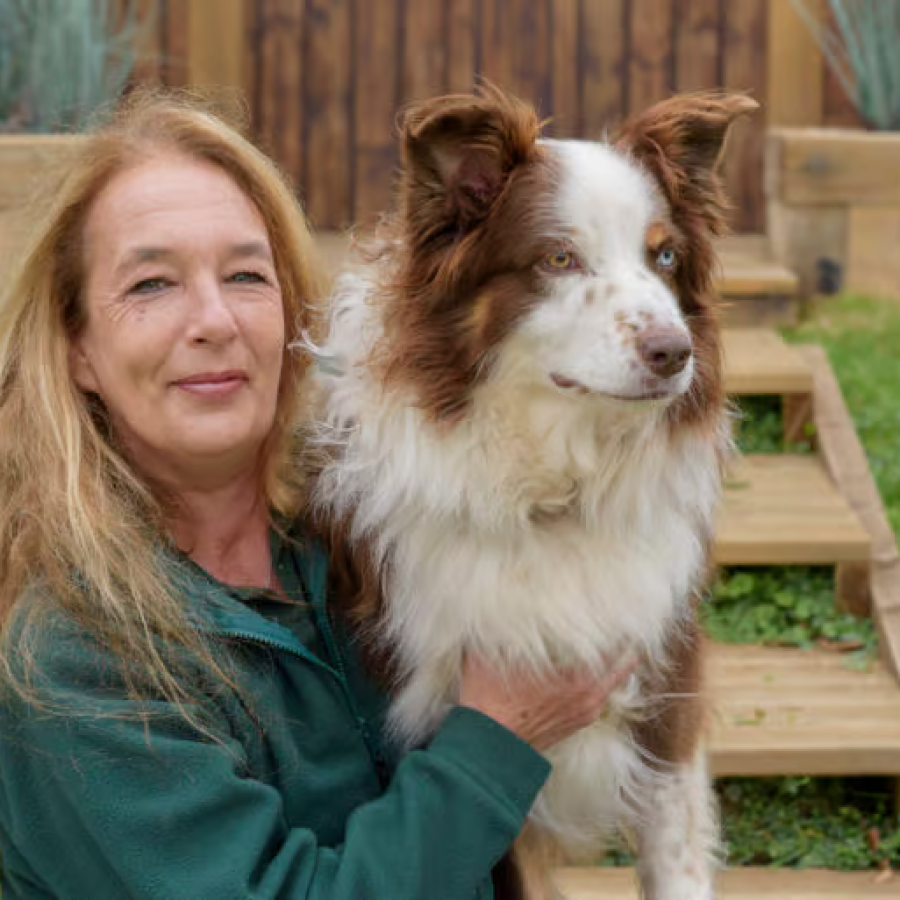
Bolognese dogs can make good family pets. They are gentle and like being close to their people. This includes children who are kind and tender with them.
This breed is small, so care is needed around very young children, as rough play could hurt the dog. Young children may also be tempted to grab at the Bolognese's curly coat, which could cause the dog to react negatively.
Adult supervision is a good idea when dogs and children are together. Bolognese dogs often bond most closely with one main carer. Still, every family member should help with their care from puppyhood. This breed suits families who are home a lot, where calm company suits them better than constant excitement.
Bolognese dogs were originally bred as companion dogs which is clear in their need for close human contact today. They suit homes where someone is around for much of the day, since they do not cope well with being left alone. This makes them a good match for a newly retired person or couple who can offer steady company throughout the day. They can live happily in a flat or a house, as they do not need a large garden to be content.
This breed does best with owners who enjoy calm company rather than constant high-energy activity. They can get on well with other pets, including cats, if socialised young. A Bolognese is less suited to homes that are empty most of the day, or to very boisterous homes with young children who have not yet learned to handle a small dog gently.
Bolognese dogs are very affectionate with their family. They like to be close by. This might mean sitting on a lap or following their owner around the house.
This breed can be shy with strangers at first. It may take time before they feel comfortable around new people. Once they trust someone, they show a lot of warmth. Their strong bond with their family means being alone can be hard for them. Owners should build up time-alone training slowly from a young age.
Bolognese dogs enjoy play in short bursts rather than long, high-energy sessions. They often like games with their owner, such as gentle fetch or hiding toys.
Their play style is calm compared with some small breeds. They also enjoy puzzle toys and simple training games, which give them mental exercise without needing much space. A little playtime with their favourite people each day is usually enough for this breed.
Bolognese dogs are often chatty and alert. They tend to bark when they notice visitors or unfamiliar noises. Changes in their surroundings can set them off too.
While this makes them useful watchdogs, it also means barking can become frequent if unmanaged. Reward-based training from puppyhood helps a Bolognese learn when to bark and when to stop. Boredom and time alone can lead to extra barking. Daily mental exercise and gradual time-alone training both help with this.
Any breed or crossbreed can develop behaviour issues if their needs are not met. For the Bolognese, one common issue is separation-related problems. Since this breed forms close bonds, they struggle when left alone for long periods of time.
Without enough mental exercise, they may also seek attention. This can show up as barking or following owners around the home. Early and ongoing socialisation and habituation help this breed cope with new situations, including meeting new people, other dogs, and new places. Patient, consistent training from puppyhood can prevent or reduce most issues. If this feels like a challenge, call our free advice line for guidance.
Bolognese dogs do not need much exercise compared with many other breeds. About 40 to 60 minutes of walking a day is usually enough, split into two shorter walks.
This breed also benefits from mental exercises like training sessions, sniffing games, and puzzle feeders. They are intelligent and enjoy learning new things, and a bit of variety in their day helps stop boredom. Because of their size, some exercise can happen indoors, but they still enjoy regular time outside.
Bolognese dogs are generally easy to train. They are intelligent and eager to please. They respond well to reward-based methods like treats, toys, or praise.
Socialisation and habituation should start early, as with all puppies. This helps them cope with new people, animals, and places. Time-alone training matters a lot for this breed, since they can become very attached to their owners. Training should not stop after puppyhood, as new habits can still form during adolescence. If training feels hard, our free advice line can help.
The Bolognese has a long, fluffy coat that needs daily care to stop it matting. Regular brushing keeps the coat healthy and lets you check for lumps, cuts, or parasites.
Many owners keep the coat trimmed shorter, which makes daily care easier. This usually means visits to a professional groomer every few weeks, which is an ongoing cost worth budgeting for. Even with a shorter trim, some brushing is still needed most days. This breed does not shed much, which some owners like, though this does not mean less grooming is needed. Ear checks, nail trims, and dental care should also be part of their routine.
Bolognese dogs are usually a healthy breed and can live for around 12 to 14 years. As with all pedigree dogs, it's important to choose a breeder who tests their breeding dogs for health problems.
Health conditions that can affect this breed include:
• Patellar luxation – the kneecap moves out of place. This is common in small breeds and can cause limping.
• Hip dysplasia – the hip joint does not form properly. This can lead to arthritis over time.
• Progressive retinal atrophy – an eye condition that causes slow vision loss.
• Legg-Calve-Perthes disease – reduced blood supply to the top of the thigh bone. This is often seen in young dogs and may need surgery.
• Dental disease – small breeds can be prone to gum problems, so regular tooth brushing helps.
Pet insurance, a healthy weight, and regular vet check-ups all help manage these risks.
I don't need loads of exercise. I do enjoy a couple of short walks each day. A gentle stroll and some sniffing time make me happy.
My brain likes a challenge too. Short training games and puzzle feeders help. They stop me getting bored when I'm not out walking.
I learn fast with kind, reward-based training. Getting used to being alone slowly, bit by bit, stops me finding it so stressful.
Purchase or adoption cost: A Bolognese puppy from a responsible breeder usually costs between £1,500 and £3,000, as this breed is rare in the UK. If you're considering adoption, rescue rehoming fees are usually around £150–£300 and often include health checks and vaccinations. We'd always encourage you to explore dogs available through Woodgreen or other reputable rescues first.
Start-up costs: Before bringing your dog home, budget for essentials like a bed, crate, lead, collar, and food and water bowls. Add initial vet costs like vaccinations and microchipping. This usually comes to around £300–£500.
Ongoing monthly costs:
• Food: £20–£35 per month, given this breed's small size.
• Insurance: £25–£45 per month. This reflects the joint and eye conditions this breed can get.
• Grooming: £30–£45 per session, roughly every 4–6 weeks, on top of daily brushing at home.
• Routine vet care: Flea and worming treatments, plus annual boosters and check-ups, average around £150–£250 per year.
• Other costs: Training classes and dental care can add to ongoing costs.
Total estimated monthly cost: £70–£120 per month. This depends on your dog's needs, your location, and the products and services you choose.
Take our quiz to discover which breed is right for you
Take our quizPlease call our pet support line on 0300 303 9333 (7 days a week – 8.30am - 4pm)