
English Setter Dog Breed
English Setters are super friendly and perfect for families, but you’ll need the energy to keep up with them!
English Setters are super friendly and perfect for families, but you’ll need the energy to keep up with them!
The English Setter is a gentle, friendly gundog with a striking coat that’s soft and wavy.
They're usually sociable with people and other dogs, and thrive in homes with an active family.
To keep your Setter happy, you’ll need to devote a lot of time to their exercise, companionship, and grooming.
English Setters are easy-going and super friendly!
They were originally bred in Britain to search for game birds and then freeze, or ‘set’, to show where they were. This means they have keen noses and absolutely adore the outdoors.
These dogs love their creature comforts too. Especially long naps stretched out on the sofa, ideally beside their favourite human!
English Setters are usually friendly towards people and other dogs. They’ll typically greet visitors enthusiastically with a wagging tail and happy wiggle.
As a breed which can be slow to mature, they’re known for keeping their puppy-like silliness for several years. They also have a sensitive side, which means they respond best to calm, kind handling.
Taking on a Setter will involve a mix of muddy walks, soft-eyed snuggles, and maybe the occasional sandwich stolen from the kitchen counter!
Disclaimer
While these breed traits give a general idea of what to expect from a specific type of dog, it's important to remember that every dog is unique. Just like people, each dog comes with their own distinct personality, quirks, and characteristics!
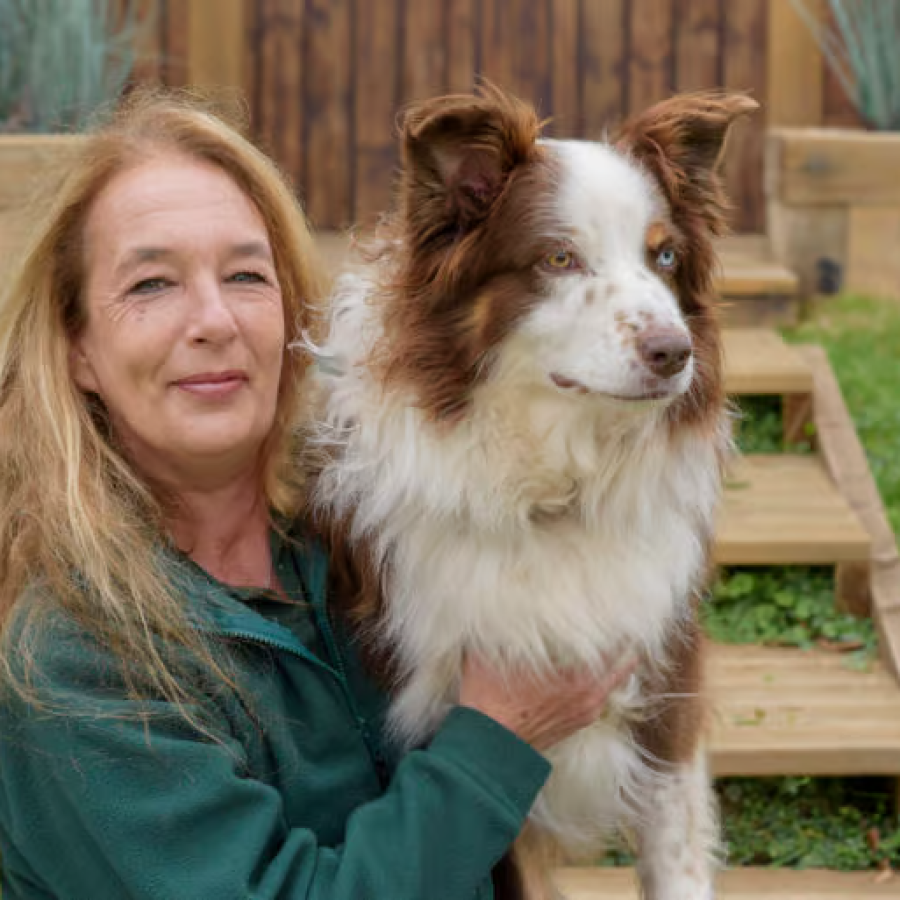
English Setters can make wonderful family dogs if their needs are met. They're usually patient and friendly with children and love a busy family life.
It’s important to keep a close eye on young Setters as they can be bouncy and clumsy, especially around children. Make sure you supervise and teach children to respect the dog's space.
This breed usually lives well with other dogs, and they can also share a home with cats if introductions are managed well.
Because of their gundog instincts, they’re always on full alert around birds or small pets. Like with cats, careful introductions can help!
English Setters need a home where they have company for most of the day.
The perfect home for a setter will be a house with a secure garden. Even better if you have fencing tall enough to stop them jumping out when a tantalising scent catches their attention! Easy access to open countryside or large parks where they can run safely is ideal too.
These dogs are a good match for active owners who enjoy long walks in all weathers. Their long coat brings the outdoors in with them, so you’ll need to be prepared for some mud and hair around the house! Ideally, you'll have a floor that's fairly easy to clean and a good supply of towels on standby.
Setters can be a good choice for first-time owners who have plenty of time to offer. You'll also need to be willing to get stuck into some regular training.
Yes, English Setters are incredibly affectionate dogs who are known to form close bonds with their family. And they’re not afraid to hide their love – staying near their people, resting their head on a lap, or leaning in for a stroke. Many are friendly with visitors too.
As a breed which thrives on company, they can struggle when left alone for long periods. They’re best suited to homes where someone is around for most of the day.
Calm, kind, handling is the best approach with these sensitive souls. Always avoid using a harsh tone as this can make them worried and withdrawn.
Yes, English Setters are very playful, especially when young. They go wild for games of chase, gentle games of tug and sniffing out toys hidden around the garden. And that playfulness can continue well into adulthood – keeping them young at heart!
Their play is often led by their nose. Scent games and searching activities are a great way for them to express their natural instincts. Gundog activities, like retrieving a training dummy, can also be rewarding for this breed.
They’re partial to getting a bit overexcited, so it’s a good idea to take short breaks during play. This should help them learn to settle and listen.
If you’re looking for a fairly quiet dog, you’re in luck. English Setters aren’t usually big barkers. Most will only bark to let you know someone’s at the door, but they’ll usually settle quickly once they see who it is. Some may bark or howl when bored or left alone for too long.
If you give them the right amount of exercise, company and things to do, you should be able to keep barking to a minimum.
If your Setter starts barking more than expected, it can be a sign they're frustrated, lonely or under-stimulated. It’s also a good idea to teach them to settle calmly when alone. Start this with short periods and build it up.
Like many dogs, English Setters can develop behaviour issues. There’s a good chance of this happening if they miss out on the exercise, company and mental stimulation they need. A bored Setter may chew furniture, dig or try to escape from the garden.
Their strong noses can make recall a challenge. Once they pick up a tantalising scent, they can be choosey about what they want to hear.
Another thing to be aware of is their tendency to scavenge and counter-surf (stealing food from kitchen surfaces). Make sure you’re on full alert when preparing food!
As a dog who thrives on company, they’re prone to separation-related issues if left alone for long periods. They also don’t cope well with loud noises or harsh handling.
If you're struggling with your Setter's behaviour, call our free Pet Helpline for advice.
English Setters need around two hours of exercise a day to keep them satisfied.
They were bred to cover large areas of open land while searching for birds, so they have staggering levels of stamina. Their exercise should include walks, off-lead running in safe, secure areas, and games that involve using their nose. This breed is partial to a bit of swimming too!
Because they’re prone to following scents and birds, it's important to build a reliable recall before letting them off the lead. A long training line can help while they learn.
Puppies need shorter, gentler exercise to protect their growing joints. Mental activities, such as scent games, are also important to keep them content.
Yes, Setters are fairly easy to train. They're intelligent and eager to please, but that doesn’t mean training them is a walk in the park. They can be easily distracted by scents and may take longer to learn than some other gundogs.
Short, fun, reward-based sessions work best for this sensitive breed. Harsher methods can make them anxious and less willing to try.
Like all puppies, Setters need early socialisation so they feel confident around people, dogs and new places. Habituation is also important to help them get used to everyday sights and sounds, such as traffic and household noises.
Training doesn’t end once they’re no longer puppies. Setters are slow to mature and may test boundaries during adolescence. Common issues to watch for include poor recall, chasing birds, pulling on the lead, scavenging, counter-surfing and separation-related issues.
English Setters have a long, silky coat, with feathering on their ears, chest, legs and tail.
We recommend brushing your Setter two or three times a week with a pin brush and comb to help prevent tangles. This also removes mud and burrs after walks. Pay extra attention to the areas behind the ears and under the legs, where knots form easily.
Many owners choose to have their Setter's coat tidied by a groomer every 6–8 weeks, including trimming around the feet and ears.
Their long, heavy ears can trap moisture and dirt, so check and clean them weekly. Regular nail trims and tooth brushing are also important.
Starting their grooming in puppyhood is a good idea. This will help them get comfortable with being handled sooner rather than later.
English Setters usually live for around 11–14 years. Regular vet check-ups, a balanced diet and watching their weight can help reduce the risk of health problems. Common conditions in this breed include:
• Hip and elbow dysplasia: these are conditions where the joints don't form properly, causing pain and arthritis. Ask breeders for hip and elbow scores for both parents.
• Deafness: some English Setters are born deaf in one or both ears. Puppies can have a hearing test, called a BAER test, from around five weeks old.
• Hypothyroidism: this is when the thyroid gland doesn't make enough hormone, which can cause weight gain, tiredness and coat problems. It's usually managed with daily tablets.
• Neuronal ceroid lipofuscinosis (NCL): this is a rare inherited disease of the brain and nerves that affects sight, movement, and behaviour. A DNA test is available for breeding dogs.
• Progressive retinal atrophy (PRA): this is an inherited eye condition that causes gradual sight loss. A DNA test is available for breeding dogs.
• Skin allergies: some Setters develop itchy skin and ear infections caused by allergies.
I need around two hours of exercise each day. I love running freely in open spaces, but please make sure I'm safe, as my nose can lead me astray!
My nose is my favourite tool. I enjoy sniffing out hidden treats, searching for toys, and exploring new walks. These activities keep my mind busy and help me settle, which is good news for your furniture!
I'm the sensitive type, so I learn best with kind, patient training (and plenty of rewards). Please practise my recall often, especially around birds, and keep food off the counter, because I will find it irresistible.
Purchase or adoption cost:
Buying an English Setter puppy from a responsible breeder typically costs between £1,000 and £2,000. If you're considering adoption, rehoming fees from a rescue are usually around £200–£400 and often include initial health checks and vaccinations.
We'd always encourage you to explore dogs available through Woodgreen or other reputable rescues first.
Start-up costs:
Before bringing your dog home, you'll need to budget for essentials like a bed, crate, lead, collar, food and water bowls, and initial vet costs including vaccinations and microchipping. This typically comes to around £300–£500.
Ongoing monthly costs:
• Food: £40–£60 per month. Active Setters need a good-quality diet to fuel their exercise.
• Insurance: £35–£70 per month. Premiums may be higher because of inherited conditions such as hip dysplasia and deafness.
• Grooming: £50–£70 per session, every 6–8 weeks. Regular trims keep their feathering tidy and tangle-free.
• Routine vet care: Flea and worming treatments, annual boosters and check-ups average around £200–£350 per year.
• Other costs: You may need to budget for training classes, a long training line and ear cleaner.
Total estimated monthly cost:
• £125–£225 per month, depending on your dog's individual needs, your location, and the products and services you choose.
Take our quiz to discover which breed is right for you
Take our quizPlease call our pet support line on 0300 303 9333 (7 days a week – 8.30am - 4pm)