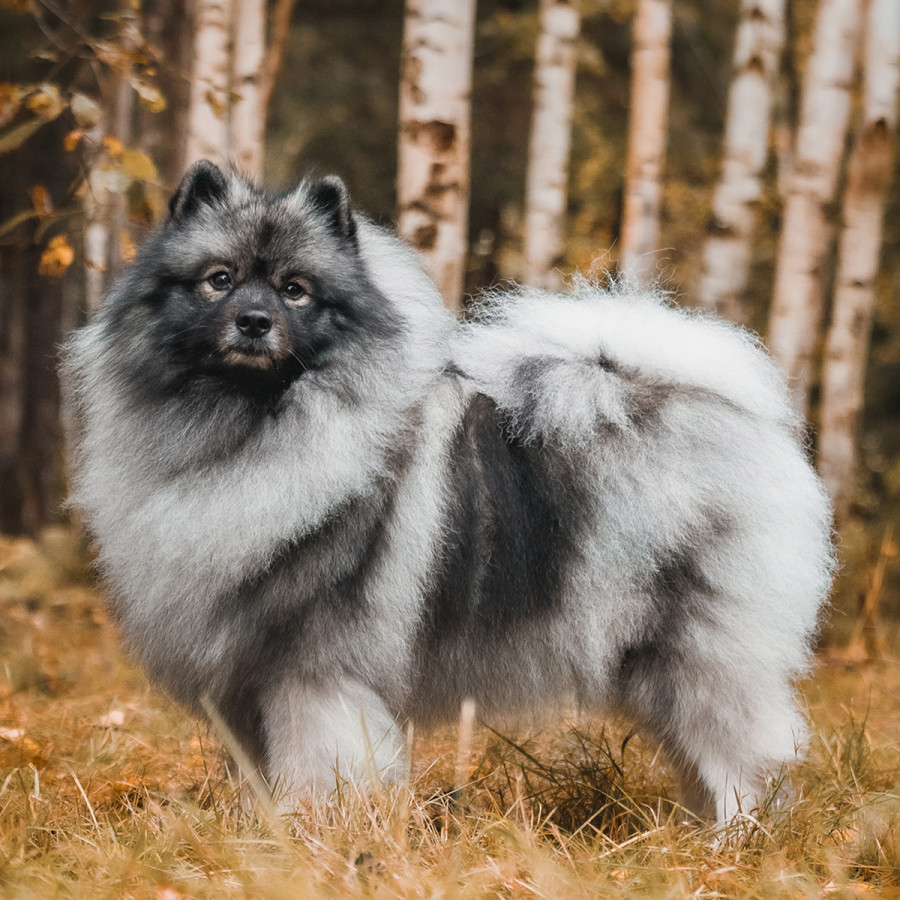
Keeshond Dog Breed
These delightful dogs love their family, and they like to be heard too!
These delightful dogs love their family, and they like to be heard too!
The Keeshond, or Wolfspitz, is a medium-sized, fluffy-coated Spitz dog with a cheerful, people-focused nature.
They’re friendly, alert, and love to make themselves heard! As a breed that thrives on human company, they suit homes where someone is around for most of the day. You’ll also need to be prepared for regular grooming.
Keeshonds (pronounced kayze-onds) are bright, cheerful, and very affectionate dogs with a strong focus on their people. They’re also the largest of the German Spitz family.
Once known as the Dutch Barge Dog, they lived on canal boats in the Netherlands as companions and watchdogs. This history lives on in the breed today. They usually like to stay close to their family and keep a watchful eye on what's going on around them.
This breed is typically outgoing and friendly. Many will greet visitors with an excited bark followed by a wagging, curled tail. Keeshonds are also clever and quick to pick up routines. Some can be cheeky in finding ways around house rules.
The dark ‘spectacle’ markings around their eyes give them an alert, curious expression that suits their observant nature.
Disclaimer
While these breed traits give a general idea of what to expect from a specific type of dog, it's important to remember that every dog is unique. Just like people, each dog comes with their own distinct personality, quirks, and characteristics!
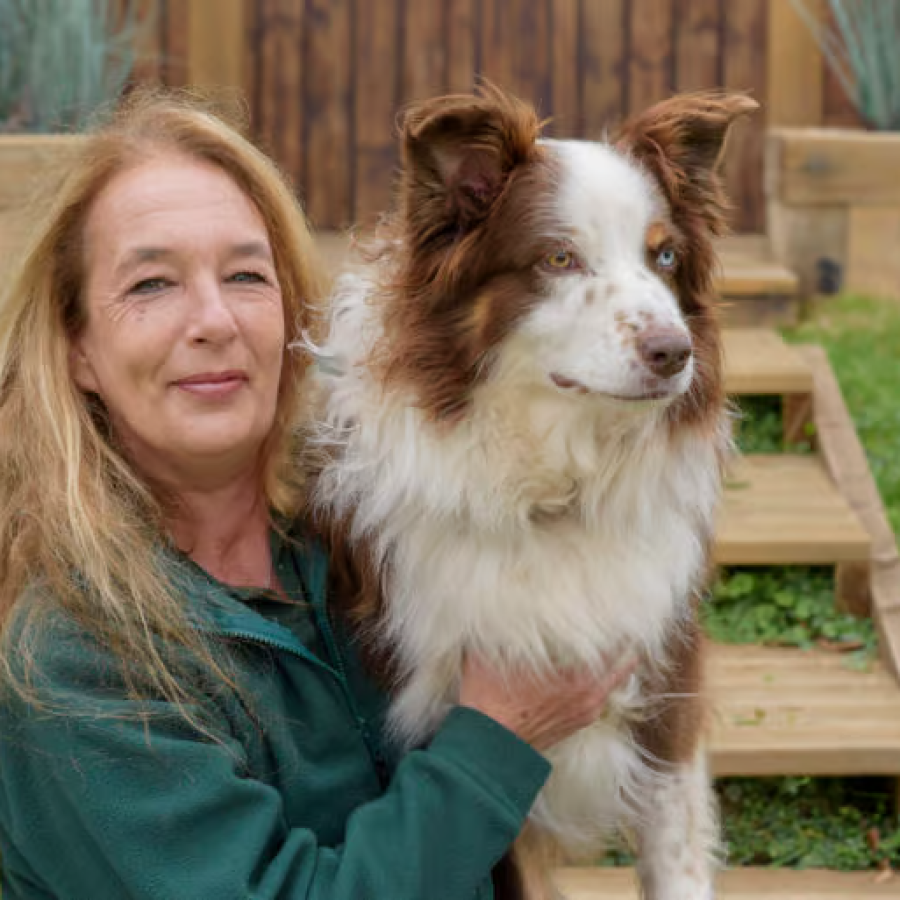
Keeshonds can make loving family dogs when all their needs are being met.
They're usually friendly and playful with children and love getting involved in family activities. As a medium-sized dog, they're strong for high intensity play but less likely than larger breeds to knock children over. Although the risk is low, make sure you supervise all time spent between your Keeshond and children. It’s also important for them to be gentle with the dog's coat and ears.
This breed typically gets on well with other dogs. They can also live happily with cats and other small pets, but careful introductions are key to making this possible.
They may not be a great match for some homes with a baby or young child, as their barking can make daytime naps tricky!
Keeshonds need owners who are around for much of the day to keep them company.
They can adapt to many types of home environments, as long as their needs are being met. A secure garden is useful, but make sure the fencing is strong. They're agile and could easily climb, dig or squeeze through small gaps.
If you have a home with shared walls, you may want to think twice about getting a Keeshon. Their barking can be a problem, unless they’re well trained.
There are many reasons why a Keeshond can make a great dog for first-time owners. But you need to be prepared for regular grooming and training to minimise their barking.
They can struggle in the summer because of their thick double coat. Ideally, you'll have a cool spot in the garden reserved for them. You should also avoid exercising them during the hottest part of the day.
Absolutely – Keeshonds are very affectionate dogs! They usually form close bonds with their family. Many will follow their people around at home like a shadow. They can also enjoy sitting close by, leaning in for strokes, and resting at your feet while you work.
They're often friendly with visitors, but only once the first round of excitable barking has settled. Because they're so people-focused, Keeshonds struggle when left alone for long periods. They ideally need a home where someone is around for much of the day.
Keeshonds are playful dogs who usually enjoy games with their family. Chasing toys, playing tug, and learning tricks go down well. And this playful side often lasts well into their adulthood.
Games that mix play with training, such as hide-and-seek or short trick sessions, can keep them busy and content. They’re quick learners too!
As a breed that' smart and athletic, they excel in sports such as agility, rally, and obedience.
Their thick coat means they can overheat during energetic play in warm weather, so keep games short and gentle on hot days.
Yes, Keeshonds can be very vocal. This came in handy when they were watchdogs on Dutch barges. They still tend to bark to let you know about visitors, passers-by and unfamiliar sounds. Some also bark when they're excited, bored or simply want your attention!
Without the right training, barking can become a problem, especially in homes with close neighbours. But there are ways you can tackle this, such as teaching them a calmer response to the doorbell. Rewarding quiet behaviour from puppyhood can also help.
Exercise, company, and mental stimulation are key to reducing barking that’s linked to boredom and frustration.
Keeshonds are people-focused dogs, so they may experience separation-related issues if left alone for long periods. This can lead to barking, howling or chewing while you're out.
Barking is the most common challenge for this breed. Without early training, it can become a nuisance for you and others nearby.
As clever dogs, they can easily become bored without enough mental stimulation, which may lead to unwanted behaviours like digging and chewing.
Good socialisation and habituation from an early age help them feel confident and reduce the risk of fearful barking at new people or sounds. Socialisation is teaching a puppy to interact in an appropriate way with people and other dogs. Habituation is teaching a puppy to ignore some people, other dogs, traffic, noises, livestock, etc.
If you're finding your Keeshond's behaviour difficult, call our free Pet Helpline for advice.
Keeshonds need 30-60 minutes of exercise a day. They were bred as companions and watchdogs rather than working dogs. That's why they don’t need as much as many herding or gundog breeds. A mix of walks, play and training sessions usually keeps them fit and content.
They enjoy exploring new places and are known to excel in dog sports such as agility, hoopers, or obedience. Because of their thick coat, they can overheat easily in warm weather. Walk them in the cooler parts of the day during summer and take water with you on longer walks.
Keeshonds are generally easy to train. They're intelligent, people-focused and keen to earn rewards, so they respond best to positive, reward-based methods.
They can also be quite emotionally sensitive, so it's important to make sure their training is kind, fair and fun. Short, varied sessions help keep them interested.
Like all puppies, Keeshonds need early socialisation so they feel confident around people, dogs and new places. Habituation is also important, as it helps them get used to everyday sights and sounds without reacting.
Training should continue beyond puppyhood, as new habits can appear during adolescence. Common issues to watch out for include excessive barking, separation-related issues, jumping up to greet people, digging, and pulling on the lead.
Keeshonds have a thick double coat, with a soft undercoat and a long, harsh outer coat. We recommend brushing two or three times a week with a slicker brush and a wide-toothed comb. This helps to prevent mats, especially behind the ears, on the legs and tummy, and around the tail.
They shed heavily once or twice a year. It’s a good idea to switch to daily brushing with an undercoat rake during this time.
Their coat should not be shaved, as it helps protect them from both heat and cold and may not grow back properly. Some owners use a groomer every 8-12 weeks for a bath and tidy.
Weekly checks of their ears, teeth and nails are also important. It’s best to start grooming early so they learn to accept being handled as they grow.
Keeshonds usually live for around 12–14 years. Regular vet check-ups, a balanced diet and watching their weight can help reduce the risk of some health problems. Common health conditions include:
• Primary hyperparathyroidism (PHPT): this is a hormonal disorder where one or more parathyroid glands produce excess parathyroid hormone (PTH). This leads to higher blood calcium levels and symptoms such as kidney stones, bone loss, fatigue, and gastrointestinal issues.
• Epilepsy: this is a condition that causes repeated seizures. It can usually be managed with daily medication.
• Alopecia X: this is a skin condition that causes patches of hair loss on the body, usually without itching.
• Hip dysplasia: this is when the hip joints don't form properly, causing pain and arthritis. Ask breeders for hip scores for both parents.
• Patellar luxation: this is when the kneecap slips out of place, which can cause skipping or limping.
• Hypothyroidism: this is when the thyroid gland doesn't make enough thyroid hormones, which can cause weight gain, tiredness, and coat problems.
I need up to an hour of exercise every day. I enjoy walks, games and exploring with you, but please keep me cool on warm days because of my thick coat.
I'm pretty clever and like to keep busy. Trick training, puzzle feeders, and sniffing games are some of my favourite things. They also help me settle instead of getting bored.
I learn quickly with treats and praise (especially the first one). Please teach me about when and when not to bark. Learning to relax alone helps me feel safe when you're out.
Purchase or adoption cost:
Buying a Keeshond puppy from a responsible breeder typically costs between £1,200 and £2,000, and you’re likely to be on a waiting list for a while.
If you're considering adoption, rehoming fees from a rescue are usually around £200–£400 and often include initial health checks and vaccinations.
We'd always encourage you to explore dogs available through Woodgreen or other reputable rescues first.
Start-up costs:
Before bringing your dog home, you'll need to budget for essentials like a bed, crate, lead, collar, food and water bowls. The initial vet costs include vaccinations and microchipping. This all typically comes to around £300–£500.
Ongoing monthly costs:
Food: £25–£40 per month. As a medium-sized breed, their food costs are moderate.
Insurance: £25–£50 per month. Premiums may be higher due to inherited conditions.
Grooming: £50–£70 per session, every 6–8 weeks. Their thick coat takes longer to wash and dry than a short coat.
Routine vet care: flea and worming treatments, annual boosters and check-ups average around £200–£300 per year.
Other costs: you may need to budget for training classes and grooming tools, such as an undercoat rake.
Total estimated monthly cost:
£100–£175 per month. This depends on your dog's individual needs, your location, and the products and services you choose.
Take our quiz to discover which breed is right for you
Take our quizPlease call our pet support line on 0300 303 9333 (7 days a week – 8.30am - 4pm)