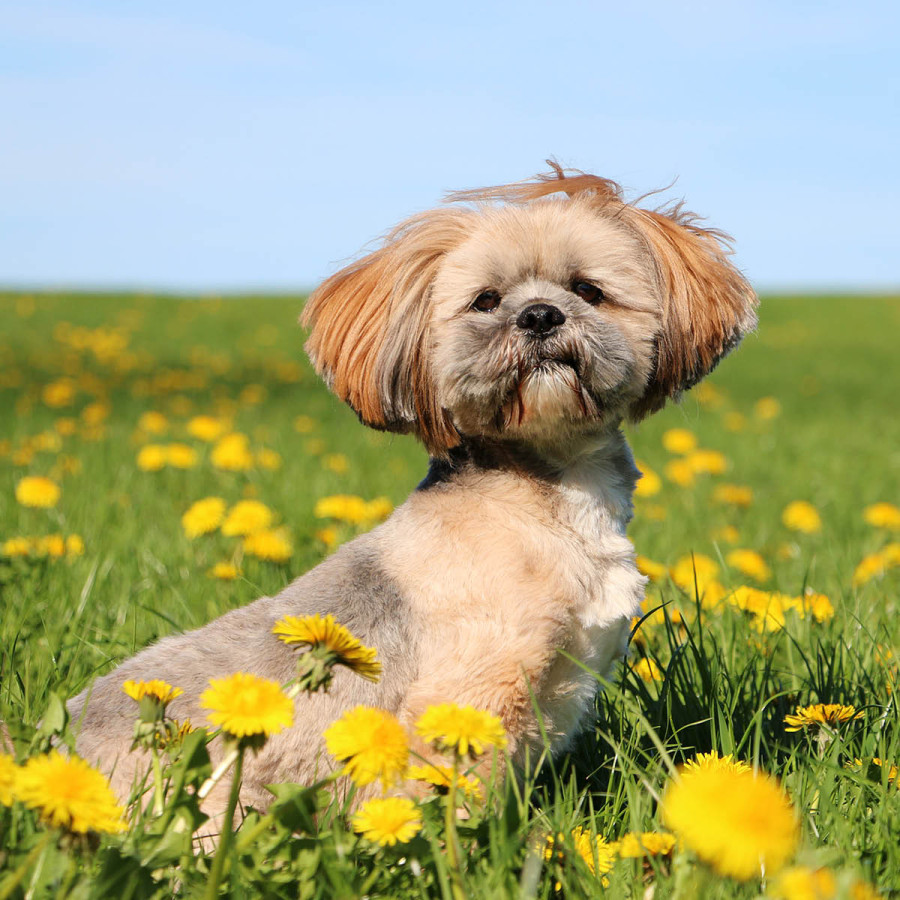
Lhasa Apso Dog Breed
The Lhasa Apso, or Lhasa, is also known as the ‘little lion dog’.
The Lhasa Apso, or Lhasa, is also known as the ‘little lion dog’.
Originally bred as watchdogs for Tibetan monasteries, their hyper-vigilance can make them very vocal!
Some can also be quite aloof with strangers (but not aggressive). They’re loyal to those they love and can make great companions.
Lhasas are a playful and affectionate breed. If their needs are met, they’ll happily snuggle on the sofa or share your bed at night. They’re courageous and bold when necessary – so you can rely on them to let you know about a potential visitor to your home!
This breed also has an independent streak that can sometimes be seen as stubbornness. They don’t need a great deal of exercise but are playful and will need entertainment.
These dogs thrive in any size of accommodation, although their vocal nature can make them less suited to living in a flat.
Disclaimer
While these breed traits give a general idea of what to expect from a specific type of dog, it's important to remember that every dog is unique. Just like people, each dog comes with their own distinct personality, quirks, and characteristics!
Lhasas can make great family dogs, but they’re more suited to families with slightly older children who can appreciate their independent side and give them space when needed. But they’ll need to be prepared for barking at any hour of the day!
The Lhasa’s playful nature will keep children entertained but they tire quickly and can struggle in hot temperatures, so this should be taken into consideration.
These dogs make a great companion for a mature person or couple who can dedicate time and energy to their exercise and playtime.
This sassy little breed would be happy to live in any size accommodation, although their tendency to bark may make living in a flat difficult for close neighbours.
A home with a garden is ideal as it can make toilet breaks and outdoor playtime easier for your Lhasa.
Lhasas can live with other dogs and, with careful introductions, cats too, but socialisation is key to success!
As a dog who needs quite a lot of attention, you’ll need enough time available to devote to daily exercise, play sessions and grooming.
While affectionate, Lhasas are generally not a clingy breed. If you meet their needs and give them the right training, they can cope home alone for a few hours. This makes them suitable for retired people or those who work part-time.
Lhasas are incredibly affectionate with their immediate family. A happy Lhasa whose needs are being met will love to snuggle on the sofa and even sleep on your bed!
While they’re affectionate, they have a limit and aren’t typically clingy or needy. When it comes to strangers, Lhasas can be a bit aloof to start with, but warm up if given the time they need.
This little breed is best suited to a calm, quiet home where visitors are kept to a minimum.
Yes, the Lhasa is a playful breed and loves chasing and fetching soft toys. They also enjoy playing a gentle game of tuggy. If toys are not provided, you may find them stealing a random sock or other items of small clothing.
These dogs have a great sense of smell and love to play seek and find games. Hiding their favourite toy or a tasty treat for them to sniff out will make them very happy!
The use of puzzle feeders is another great way to stimulate their brain and keep them engaged.
Yes, Lhasas do like the sound of their own voice! They take their role as watchdogs very seriously. After all, it’s what they were originally bred for.
Prepare to be alerted not only to visitors or intruders but also to any passersby, wildlife in your garden, and any noise they deem to be a bit strange. Lhasas will also bark when excited or to get your attention if their needs aren’t being met.
If you live in a remote area and want a fluffy home alarm system, we think the Lhasa could be the perfect match for you. But, if you live in a busy home in a built-up area, or high-pitched barking sets you on edge, you’ll probably want to consider a different breed.
Any dog breed can develop behavioural issues if their needs aren’t being met and they don’t receive kind, fair and effective training.
One of the most common issues with a Lhasa’s behaviour is excessive barking. They were bred to sound the alarm if they saw or heard anything out of the ordinary, so it’s in their DNA!
Without monasteries to roam and protect, they naturally take to guarding their homes with great vigour. They’ll also bark if they’re excited, frustrated or bored.
As naturally protective pooches, they may be prone to guarding things like high-value treats or stolen items. This can result in growling, snapping or even biting in severe cases.
Being small, they’re known to jumping up a lot when excited. While they’re unlikely to knock someone over, not many people appreciate muddy paws on their clothes!
These behavioural issues can be prevented or significantly reduced if your Lhasa’s needs are met and they receive effective reward-based training.
Don’t worry – you don’t need to take your Lhasa on long hikes to keep them happy. They need around 40–60 minutes of exercise per day, ideally split into two walks of 20–30 minutes each.
They love to run around, so be sure to teach them a solid recall.
If well socialised they can enjoy playing with other dogs, although, like a lot of small breeds, they might be scared of big bouncy dogs.
As well as daily physical exercise, it’s also important to consider their need for mental stimulation. This can be achieved through toy play, especially seek and find games, puzzle feeders and/or interactive toys.
Short training sessions are another great way to get their brain working, as well as strengthening the bond between dog and human!
Once a Lhasa reaches maturity, their independent streak kicks in, which means they could be labelled as stubborn. In reality, they’re just a little harder (but not impossible!) to motivate in certain situations.
Like all breeds, the best time to start training is during puppyhood, as their brains are like little sponges at this age. In the early weeks, concentrate on socialisation and habituation training so they’ll be able to cope with the different sights and sounds they’ll encounter later on.
Always use kind, fair, and effective reward-based training. Keep the sessions short because Lhasas can get bored easily. Adolescence is a trying time for all breeds – but hang in there! Your patience and persistence will pay off once they reach maturity.
A Lhasa’s natural coat is made up of a very long, straight topcoat and a dense under coat. It needs daily grooming with a pin brush and a metal comb as it gets knotty very quickly.
If you’re not planning on entering your Lhasa into any dog showing events, it’s advised to keep their coat trimmed to a more manageable length as it could get dirtier quicker. But, remember, their coat will still need daily attention.
A shorter coat not only keeps Lhasas looking smart, it also gives you the opportunity to check their body for lumps, cuts or parasites that may need attention.
A visit to a professional groomer every 8 to 12 weeks will ensure their coat is well maintained. It’s also good for making sure their ears are clean and nails are clipped. The regular cost of a groomer will need to be considered when deciding on whether to get a Lhasa.
Like all breeds, Lhasas can be prone to certain health issues. It’s always advised that you get a puppy from a reputable breeder who carries out the relevant health tests on their breeding stock.
Issues to be aware of include:
• Eye problems, such as progressive retinal atrophy, which can cause sight loss, and cherry eye (which can be painful but is treatable).
• Luxating Patellar – this is where the kneecap slips and causes pain. This may need surgery to correct.
• Dental disease – this is due to Lhasas having very small mouths.
If you give your Lhasa a healthy lifestyle, good nutrition and regular veterinary check-ups, they can live a long, happy life.
I don’t need big, long hikes but I do need daily runarounds in the park, between 40 and 60 minutes (two walks of 20–30 minutes each) to keep me happy. I love to chase my toys too!
I like to use my brain, so please give me interactive toys and puzzle feeders so I don’t get bored. Seek and find games are one of my favourite things to do!
I really enjoy off-lead exercise, so please teach me how to come when called. Playing fetch is fun too but I need to be taught how to do it!
A well-bred Lhasa Apso puppy from a responsible breeder will cost between £800 and £1,500.
The set-up costs for any puppy can cost several hundred pounds. This includes, food, bowls, beds, collar, harness, lead, toys, baby gates, etc.
Ongoing costs include food, insurance premiums, vaccinations, parasite control, training classes and grooming costs.
Take our quiz to discover which breed is right for you
Take our quizPlease call our pet support line on 0300 303 9333 (7 days a week – 8.30am - 4pm)