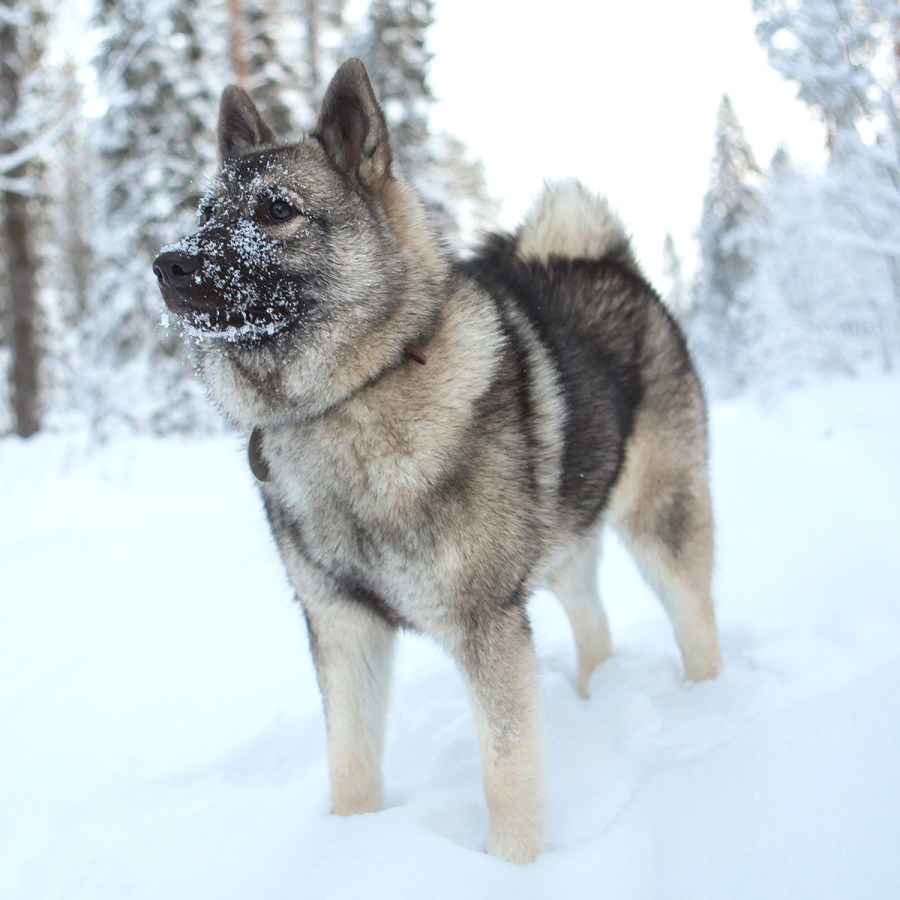
Norwegian Elkhound Dog Breed
Strong, independent and loyal – Elkhounds can make a wonderful companion.
Strong, independent and loyal – Elkhounds can make a wonderful companion.
The Norwegian Elkhound is a medium-sized Spitz dog with a thick grey coat and an independent mind.
They're usually friendly with their family but can be hard to motivate. These dogs suit highly active, patient owners who are ready to manage a strong prey drive, heavy shedding, and a fair bit of barking!
Norwegian Elkhounds are bold, strong dogs with a mix of Hound and Spitz traits.
They were originally bred in Norway to track elk through deep snow and forest. They have a keen nose, plenty of stamina, and a strong sense of independence.
At home, they’re typically lively and alert – always keeping a close eye on what's happening around them.
With their family, Elkhounds are usually friendly, loyal and playful. When it comes to strangers, they’re polite but without much fuss.
They like to think for themselves, which means they can be hard to motivate when something more interesting catches their attention!
Life with an Elkhound often comes with plenty of noise. They use an impressive range of barks, grumbles, and yodel-like sounds to communicate.
Disclaimer
While these breed traits give a general idea of what to expect from a specific type of dog, it's important to remember that every dog is unique. Just like people, each dog comes with their own distinct personality, quirks, and characteristics!
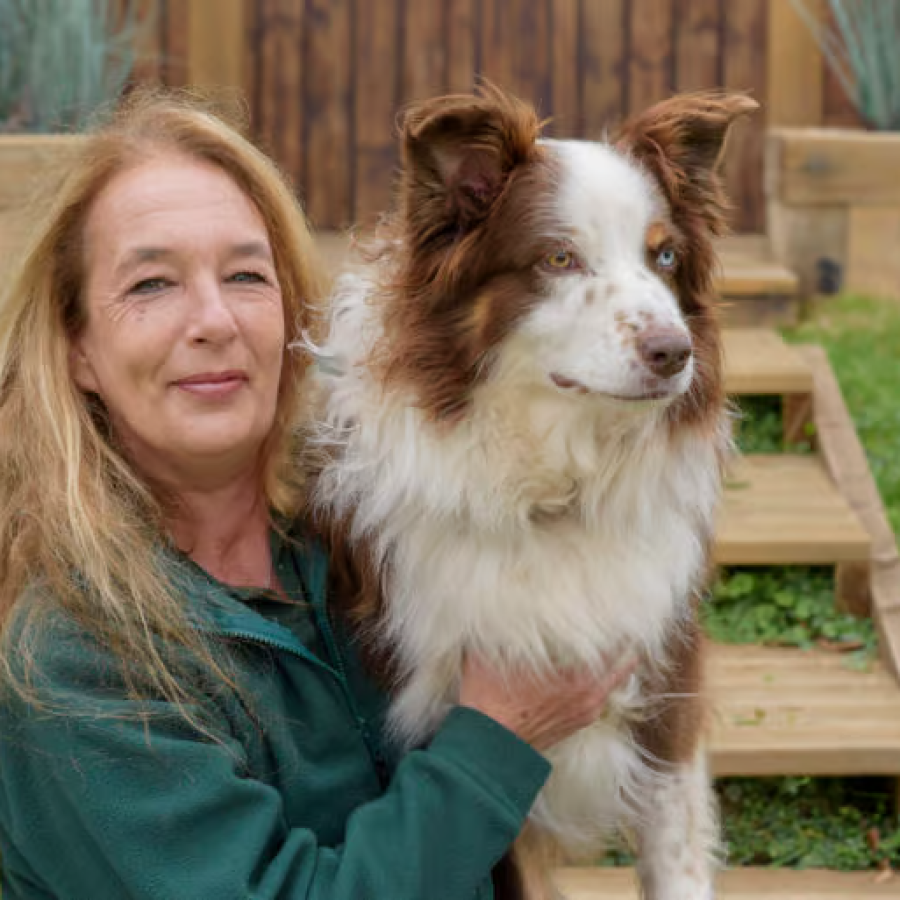
Norwegian Elkhounds can make loyal family dogs when all their needs are being met.
They're a strong breed who are often playful, so they’re able to enjoy games with older children who know how to behave around dogs.
For young children, their energy and confidence may be a bit too much. Make sure you supervise all time spent between dogs and little ones.
Many Elkhounds get on well with other dogs, though some can be bossy with dogs of the same sex. Their strong prey drive can make them chase cats, rabbits, and other small pets. With careful introductions and close supervision, you can reduce the chances of this happening, but some may still not be able to live safely with small animals.
Norwegian Elkhounds are a good match for homes with a secure garden and easy access to countryside or large parks. The fencing needs to be tall and strong as they’re known to jump, climb and dig their way to the source of a tantalising scent!
Ideally, you should also have a cool, shady spot in the garden reserved for them in the summer. Their thick coat makes them better suited to cold weather.
They suit highly active, patient owners who enjoy long walks. You’ll also need to be willing to put time into their training and grooming. Their heavy shedding means you'll need to be comfortable with grey hair around the house, and on your clothes!
Elkhounds may not suit homes with small pets, or homes where barking could disturb close neighbours.
Norwegian Elkhounds are affectionate with their family, but they’ve got their own subtle ways of showing it!
Many enjoy being close to their humans and will lean in for a stroke or lie nearby, but they’re often less needy than some breeds. They can be just as happy to keep their own company. Despite being a friendly breed, they’re typically quite reserved with strangers, preferring to greet them calmly.
Because they enjoy being part of family life, they need plenty of your time and attention each day. They can also struggle when left alone for long periods.
Norwegian Elkhounds are playful and energetic, especially when young. Many enjoy games of chase, tug, and searching for hidden toys or treats. Their strong nose makes scent games especially rewarding!
They’re known to keep their playful side well into adulthood. Dog sports such as tracking, agility and canicross can offer them a positive outlet for their energy.
Their thick coat means they can overheat during energetic play in warm weather, so keep games short and gentle on hot days.
Yes, Norwegian Elkhounds can be very vocal. When hunting, they used their bark to hold elk in place and show hunters where they were. Today, you can expect them to bark at visitors, unfamiliar sounds, wildlife and anything that catches their interest. And their loud bark can travel a long way!
Without early training and enough exercise, an Elkhound's barking can become a problem. You can minimise this by teaching them a calm response to the doorbell and rewarding quiet behaviour. Getting enough physical exercise and mental stimulation also reduces barking caused by boredom.
Norwegian Elkhounds are independent dogs with strong hunting instincts, which can lead to certain behavioural issues. Their prey drive may cause them to chase wildlife, cats or small pets. They love following scents, so this can make recall difficult too.
An Elkhound's barking may become excessive if they're bored or under-exercised, so it’s important to keep them busy.
Some Elkhounds may be bossy with other dogs, especially those of the same sex. They can also experience separation-related issues if left alone for too long. Others can be wary of strangers.
Good socialisation and habituation from an early age, along with daily exercise and mental stimulation, help prevent many of these issues. Socialisation is teaching a puppy to interact in an appropriate way with people and other dogs. Habituation is teaching a puppy to ignore some people, other dogs, traffic, noises, livestock, etc.
If you need support with your Elkhound's behaviour, call our free Pet Helpline for advice.
Norwegian Elkhounds need at least one to two hours of physical exercise a day. They were bred to track elk over long distances in tough conditions, so they have plenty of stamina!
They also need plenty of mental exercise. Learning, problem-solving, and new experiences can all play a part. Their exercise should include brisk walks, plenty of time for a sniff and explore, and active games.
Because of their strong prey drive and independent nature, many Elkhounds aren’t reliable off the lead in open areas. A long training line or a secure, enclosed field can give them more freedom safely. In the summer, walk them in the cooler parts of the day, as they can overheat easily.
It’s fair to say that Norwegian Elkhounds can be harder to train than many other breeds. They're intelligent but independent, as they were bred to work at a distance from hunters and make their own decisions.
They can easily lose interest in repetitive training. Short, varied, reward-based sessions work best. Many are very food-motivated, which can help get better results.
Like all puppies, Elkhounds need early socialisation so they feel confident around people, dogs and new places. Habituation is also important, as it helps them get used to everyday sights and sounds without reacting.
Training should continue throughout their life, as adolescence can bring new challenges. Common issues to watch include poor recall, along with chasing wildlife and small pets. Excessive barking, pulling on the lead, and separation-related issues are also typical.
Norwegian Elkhounds have a thick, weatherproof double coat with a dense, woolly undercoat. This will need to be brushed thoroughly two or three times a week. Using a slicker brush, comb and an undercoat rake can help remove loose hair and prevent matting.
They shed heavily once or twice a year. Daily brushing to manage their large amount of hair is essential. Brushing is also a good time to check their skin for lumps, as the breed can develop skin cysts.
The Elkhound's coat doesn't need trimming and shouldn't be shaved either. It helps protect them from both hot and cold temperatures. Some owners also choose to trim areas around the rear end to keep them tidy. Fortunately, their coat usually resists dirt, so you won't need to worry about frequent bathing.
Weekly checks of their ears, teeth, and nails are important.
Norwegian Elkhounds usually live for around 12–15 years. Regular vet check-ups, a balanced diet and watching your dog’s weight can help reduce the risk of some health problems. Many Elkhounds adore food, so measure their portions carefully. Common health conditions include:
· Hip dysplasia: this is when the hip joints don't form properly, causing pain and arthritis. Ask breeders for hip scores for both parents.
· Progressive retinal atrophy (PRA): this is an inherited eye condition that causes gradual sight loss. Breeding dogs should be eye tested.
· Fanconi syndrome: this is a kidney condition where the kidneys can't reabsorb important nutrients, causing increased thirst and urination. It can often be managed if caught early.
· Hypothyroidism: this is when the thyroid gland doesn't make enough hormone, which can cause weight gain, tiredness, and coat problems.
· Glaucoma: this is a painful condition where pressure builds up inside the eye. Red, cloudy or painful eyes need urgent vet attention.
· Skin cysts: these are small lumps under the skin. Most are harmless but ask your vet to check any new lumps.
I'm a strong, energetic dog who needs one to two hours of exercise a day, with time to sniff and explore. Please keep me on a long line lead around wildlife.
My nose loves to work. Scent trails, hidden treats, and puzzle feeders keep my brain busy. Without enough to think about, I might bark or dig to entertain myself.
I'm prone to making my own decisions, so please make my training fun and rewarding – tasty treats encourage me to listen! I'll also need lots of practice to build a reliable recall.
Purchase or adoption cost:
Buying a Norwegian Elkhound puppy from a responsible breeder typically costs between £1,000 and £2,000, and you can expect to be on a waiting list for some time.
If you're considering adoption, rehoming fees from a rescue are usually around £200–£400 and often include initial health checks and vaccinations. We'd always encourage you to explore dogs available through Woodgreen or other reputable rescues first.
Start-up costs:
Before bringing your dog home, you'll need to budget for essentials like a bed, crate, lead, collar, food and water bowls. The initial vet costs include vaccinations and microchipping. This all typically comes to around £300–£500.
Ongoing monthly costs:
Food: £30–£45 per month. Elkhounds gain weight easily, so measure portions carefully.
Insurance: £30–£55 per month. Premiums may be higher because of inherited eye and kidney conditions.
Grooming: £50–£70 per session, every 8–12 weeks. Professional de-shedding is optional but helpful during heavy moults.
Routine vet care: Flea and worming treatments, annual boosters, and check-ups average around £200–£350 per year.
Other costs: You may need to budget for training classes, a long line lead and occasional secure field hire.
Total estimated monthly cost: £90–£195 per month. This will depend on your dog's individual needs, your location, and the products and services you choose.
Take our quiz to discover which breed is right for you
Take our quizPlease call our pet support line on 0300 303 9333 (7 days a week – 8.30am - 4pm)
