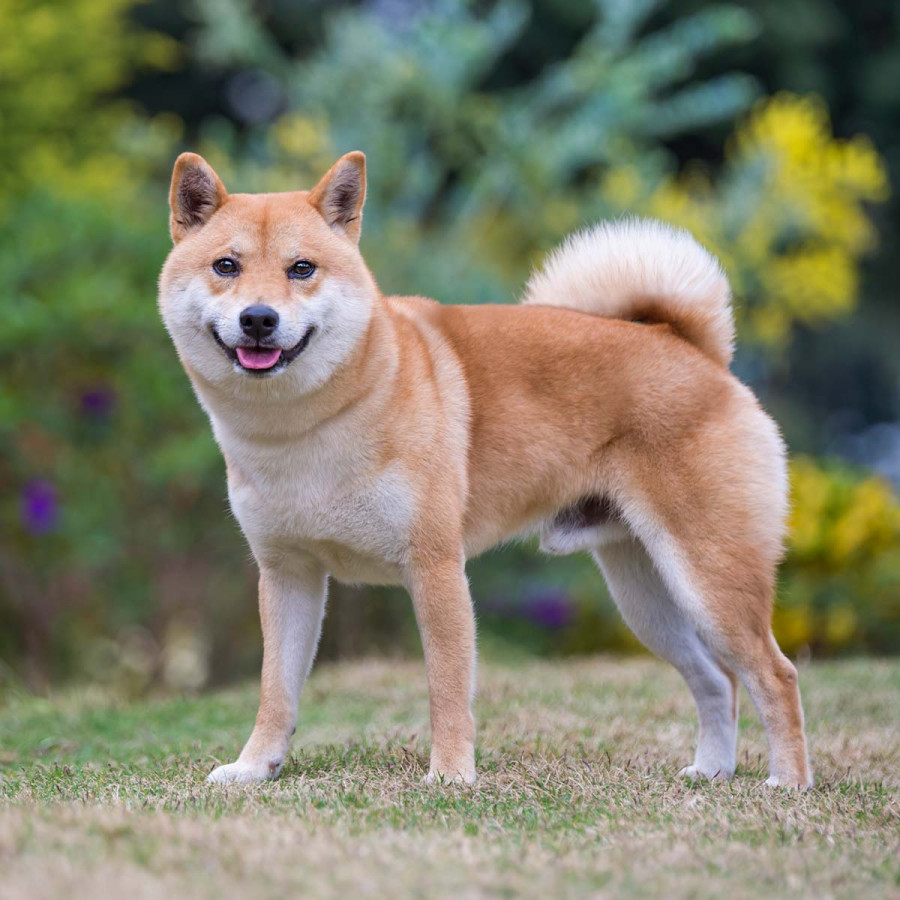
Shibu Inu Dog Breed
The Shiba inu is an ancient Japanese breed known for their fox-like appearance and cat-like personality.
The Shiba inu is an ancient Japanese breed known for their fox-like appearance and cat-like personality.
Shibu inus clever, independent, and loyal to their families. However, they're strong-willed and aren't the easiest dogs to train.
Ideally, Shibas need owners who've previously had dogs of a similar breed type, who can provide consistent training as well as plenty of activities to keep their minds busy.
If you want an alert, clever companion with buckets of character, they could be a brilliant dog for you!
Shiba means “brushwood” and inu means “dog”, referring to their original roles as hunters of small game in Japan's mountainous regions. Shiba inus are agile, quick-thinking, and highly vigilant.
These confident, alert dogs have minds of their own. They’re often described as cat-like because they're very clean, independent, and quite happy in their own company. They're loyal and loving with their families but tend to be reserved around strangers.
Although playful and fun-loving, Shibas are fairly sensitive dogs who do best with patient and positive owners. They need lots of reward-based training to learn that the things their family want them to do are worth doing. They’re not the right breed for everyone but with proper training, socialisation, and plenty of patience, they can make wonderful companions.
It’s also important to note that these dogs are famous for their vocal range – the "Shiba scream" is a high-pitched noise they make when frustrated or excited!
Disclaimer
While these breed traits give a general idea of what to expect from a specific type of dog, it's important to remember that every dog is unique. Just like people, each dog comes with their own distinct personality, quirks, and characteristics!
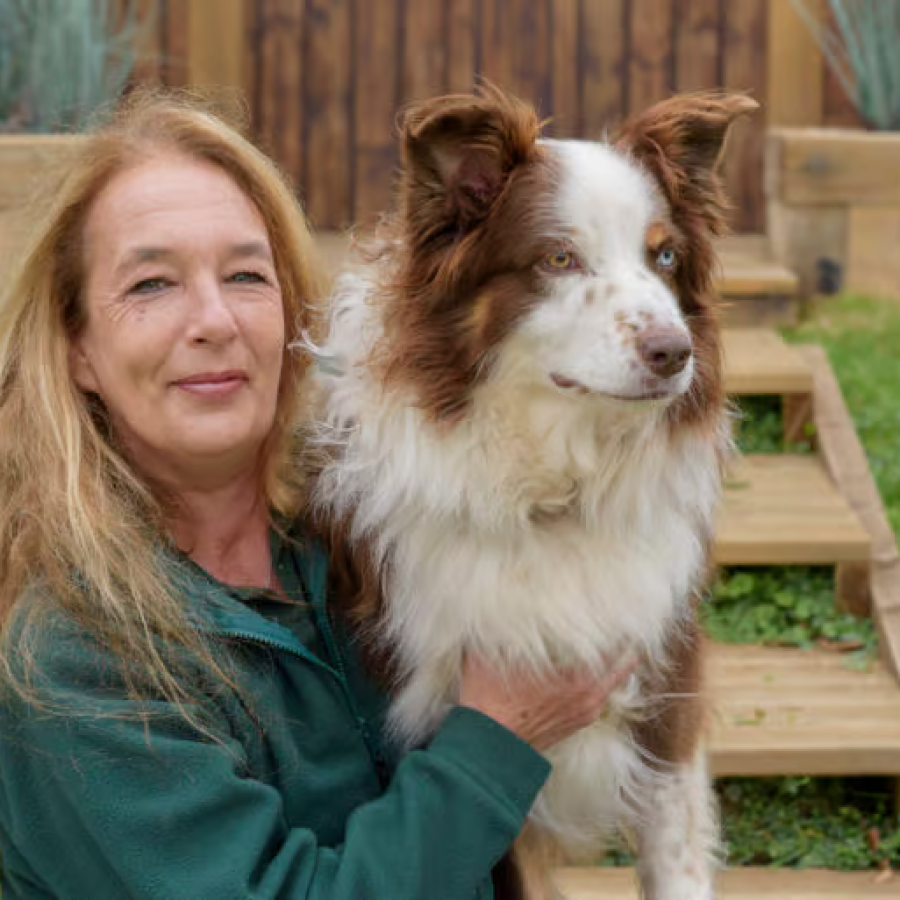
Shiba inus can make good family dogs in the right household. They do best with calm, quiet children who respect their space and don’t expect constant games of fetch, or fusses. Often, this means they're better-suited to homes with older children. Shibas can be affectionate, but often on their own terms – they're not typically dogs who want constant snuggles.
They can be possessive of their food, toys, and space. This means they need careful management around young children to ensure everyone feels safe and comfortable. They don't always cope well with rough play or being disturbed when resting.
Families considering a Shiba need to commit to consistent training from puppyhood as these dogs need structure, clear rules, and a calm, confident teacher. If you've got older children who understand how to behave around dogs and you've had dogs before, a Shiba inu could work well for your family.
Shiba inus can be loving, but it's very much on their terms! They form strong bonds with their families and can be surprisingly affectionate and loyal. Many Shibas enjoy being close to their people, whether that's sitting nearby whilst you work or curling up beside you in the evening. If you’re lucky enough for a Shiba to rest beside you, they’re showing you they want you as part of their club!
However, they're not the type to shower you with constant attention or follow you everywhere. They're independent dogs who value their personal space. Some Shibas cope well with affection and fuss, whilst others prefer to keep physical contact brief. They won't rush to greet every visitor with wagging tails – similar to cats, they prefer people who are hands-off and let them approach at their own pace. Shibus are more likely to watch from a distance until they decide someone is trustworthy. They’re the ideal dog if you're looking for a devoted but dignified companion who shows love quietly.
Shibas can be very playful, particularly with their families! They enjoy games and toys, and their hunting heritage means they love chasing and problem-solving activities. Many Shibas love toys and will play tug or fetch enthusiastically... though they might not always bring the toy back! Shibas also like long-lasting natural chews like lamb horns and cow hooves. Be careful to always swap toys and chews for a treat, so your Shiba understands it's a trade and they don’t need to protect their things from people.
Their play style can be quite intense and independent. They often prefer playing on their own terms rather than joining lively group games. Because they're so clever, Shibas need brain games like puzzle toys, hide-and-seek, or scent work. Without enough to do mentally and physically, they can become bored and potentially destructive. Ss long as your Shiba’s needs are met, you’ll see that their playful charming nature come shining through!
Shibas aren't usually excessive barkers. They're quite selective about when they make noise, usually barking to alert you to something unusual or when visitors arrive. Their watchdog instincts mean that they'll let you know if something's wrong, but they won't bark at every little noise.
However, Shibas are famous for the "Shiba scream" – a dramatic, high-pitched sound they make when frustrated, excited, or displeased. You might hear it at the vets, during nail trimming, when they’re happily playing with other dogs, or when they don't get their way! This sound can be quite startling if you're not prepared for it. They can also make yodelling sounds, grumbles, and have quite a varied vocal range. With proper training and socialisation, you can manage their sounds to a less disruptive level. A well-exercised Shiba with plenty to keep them busy is generally a quieter Shiba!
Shiba inus can be challenging dogs if their needs aren't met. They have strong prey drives and are likely to chase anything that moves – squirrels, cats, even bikes and joggers – unless taught from an early age to ignore them or interact politely. This means recall training is essential, though some Shibas can never be fully trusted off-lead.
Resource guarding is common in this breed. Shibas can become possessive of food, toys, or favourite spots. They can also be dog-selective, preferring not to interact with other dogs, especially those of the same sex. They usually don’t bark at other dogs, but may do so if they haven't had proper socialisation and habituation, or have had a particularly bad experience with other dogs. Without proper socialisation and habituation, they can become reactive.
Their independence means they can be difficult to motivate during training. They're clever enough to work out what you want but might decide they've got better ideas! Separation-related issues can also develop if they're left alone for too long before they’ve had time to get used to it. With consistent, positive training from puppyhood, most issues can be managed. If you're struggling, our free behaviour helpline is here to give you advice and guidance.
Shibas can adapt to flats or houses, as long as they get enough exercise and activities to keep their minds busy. However, they absolutely need secure gardens or outdoor spaces to explore off-lead. Shibas are famous for finding any weakness in fencing, and their natural athleticism means they can jump surprisingly high, so highly secure spaces are absolutely essential!
Shibas are best for people who've had dogs before, as they may be a little challenging for first time dog owners. Shibas need homes where someone is around fairly regularly, although they cope better with some alone time than very social breeds, they still need company. To be happy, Shiba inus need daily exercise and brain games, secure outdoor spaces they can't escape from, consistent training, and owners who are often at home and comfortable with their independent nature. If you appreciate clever, characterful dogs and don't mind a challenge, Shibas are brilliant!
Shiba inus are active, energetic dogs who need around one hour of exercise daily. They enjoy brisk walks, jogging alongside you (once fully grown), and exploring new environments. Their hunting heritage means they love "sniffy walks" where they can investigate interesting smells.
Keeping their minds busy is just as important as physical exercise. Shibas are highly intelligent and get bored easily. Puzzle toys, training sessions, scent work, and problem-solving games keep their minds active. Without enough to do mentally and physically, they can become frustrated and develop unwanted behaviours. Because of their prey drive, off-lead exercise can be tricky. Secure, enclosed areas are ideal places to let them safely blow off some steam whilst off-lead. Many Shiba owners hire secure dog fields where their dogs can run freely without the risk of chasing wildlife. With proper exercise and activities, Shibas are content, well-behaved companions.
Shibas are intelligent and learn quickly, but they're not the easiest breed to train. They're independent thinkers who don't have much of a desire to please. Unlike breeds who live to make their owners happy, Shibas need to see what's in it for them! Positive, reward-based training works best – so use high-value treats and keep sessions short and fun to get the results you want.
Early socialisation and habituation are essential. Puppies need to meet different people, dogs, and animals in controlled, positive ways. They also need to get used to everyday sights and sounds like traffic, hoovers, and household noises. Without this, they can become reactive or fearful as they develop.
Training doesn't stop at puppyhood either, as behavioural issues can crop up throughout their lives. Common problems include pulling on the lead, resource guarding, reactivity to other dogs, poor recall, and an independent personality that can make them difficult to motivate. Shibas are best for people who've had dogs before and can stay calm and consistent. If you're struggling with training, our free behaviour helpline is here to help.
Shiba inus have thick double coats that shed moderately year-round, and heavily twice a year during seasonal changes. When they "blow their coat," you'll find fur everywhere! During shedding season you’ll see their undercoat comes out in fluffy tufts for up to a couple of months. Regular brushing – several times weekly, and daily during shedding seasons – helps to manage their fur and keeps their coat healthy.
Despite the shedding, Shibas are incredibly clean dogs. They groom themselves like cats and rarely have a “doggy” smell. They don't need frequent bathing unless they've rolled in something unpleasant!
Many Shibas dislike being groomed, so it's important to introduce brushing, nail trimming, and handling from puppyhood. Use plenty of encouragement to help them get used to grooming. Regular ear cleaning and dental care are also important. Their nails need trimming regularly, which many Shibas object to, so patience is key!
Shiba inus are generally healthy dogs with a lifespan of 12-15 years. However, like all breeds, they're prone to certain health conditions. Taking out insurance will help cover vet costs throughout your dog's life.
Common health conditions include:
• Patellar luxation: where the kneecap slips out of position, causing limping or a "skipping" gait. This is very common in Shibas and may need surgery in severe cases.
• Glaucoma: increased pressure in the eye that can cause pain and blindness if untreated. Shibas are particularly prone to this. Breeding dogs should be eye-tested.
• Hip dysplasia: where the hip joints don't develop properly, leading to arthritis. Breeders should have their dogs hip-scored.
• Allergies: particularly atopic dermatitis (environmental allergies) causing itchy skin and ear infections.
• GM1 Gangliosidosis: a rare but serious genetic condition affecting the nervous system. DNA testing is available.
Regular vet check-ups, a good diet, appropriate exercise, and maintaining a healthy weight will all help to keep your Shiba healthy.
I need around an hour of daily exercise, with plenty of chances to explore and sniff.
I need brain games, puzzle toys, and activities that challenge my clever mind.
I need consistent, reward-based training from someone patient who understands my independent nature.
When considering cost it’s important to remember that price doesn't always equal quality. What matters most is finding a responsible breeder who health tests their dogs, raises puppies in a home environment, and breeds for temperament as well as health. We have guidance on finding a responsible breeder on our website. You can also look into the Puppy Contract, which helps ensure you're getting a healthy, well-bred puppy.
Consider adoption or rescue. Rescuing a Shiba inu is often much more affordable than buying a puppy. Many rescue dogs are already trained, plus, you'll be giving a dog in need a loving home!
Shiba inu puppies typically cost between £800 and £2,500, depending on the breeder and pedigree. Initial equipment (beds, leads, collars, toys, crate) will cost £150-£250. Ongoing costs include food (£40-£60 monthly), Shibas are relatively affordable to feed compared to larger breeds, pet insurance (£30-£60 monthly), regular vet care, professional grooming during heavy shedding periods, training classes, and toys.
Take our quiz to discover which breed is right for you
Take our quizPlease call our pet support line on 0300 303 9333 (7 days a week – 8.30am - 4pm)