How to apply a harness on a dog: A step-by-step guide
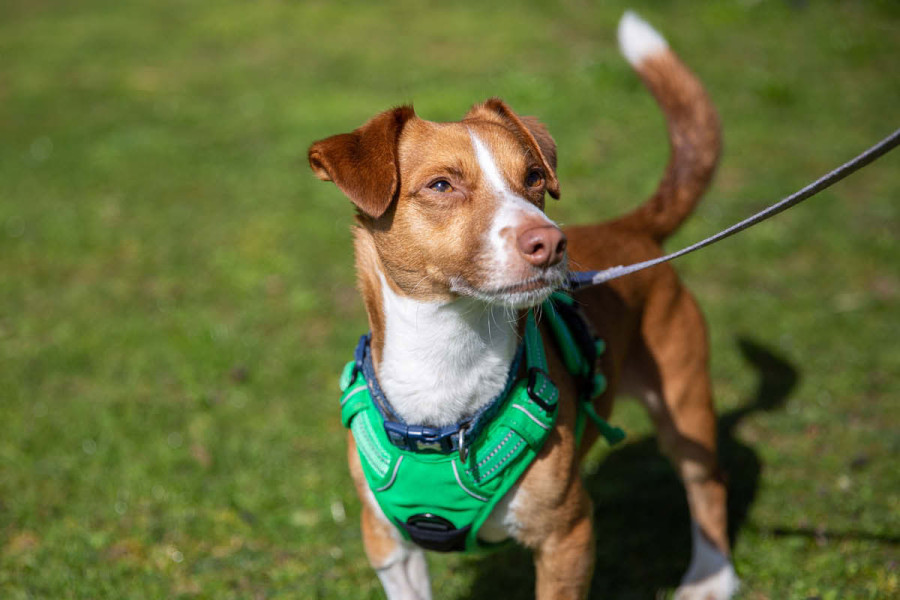
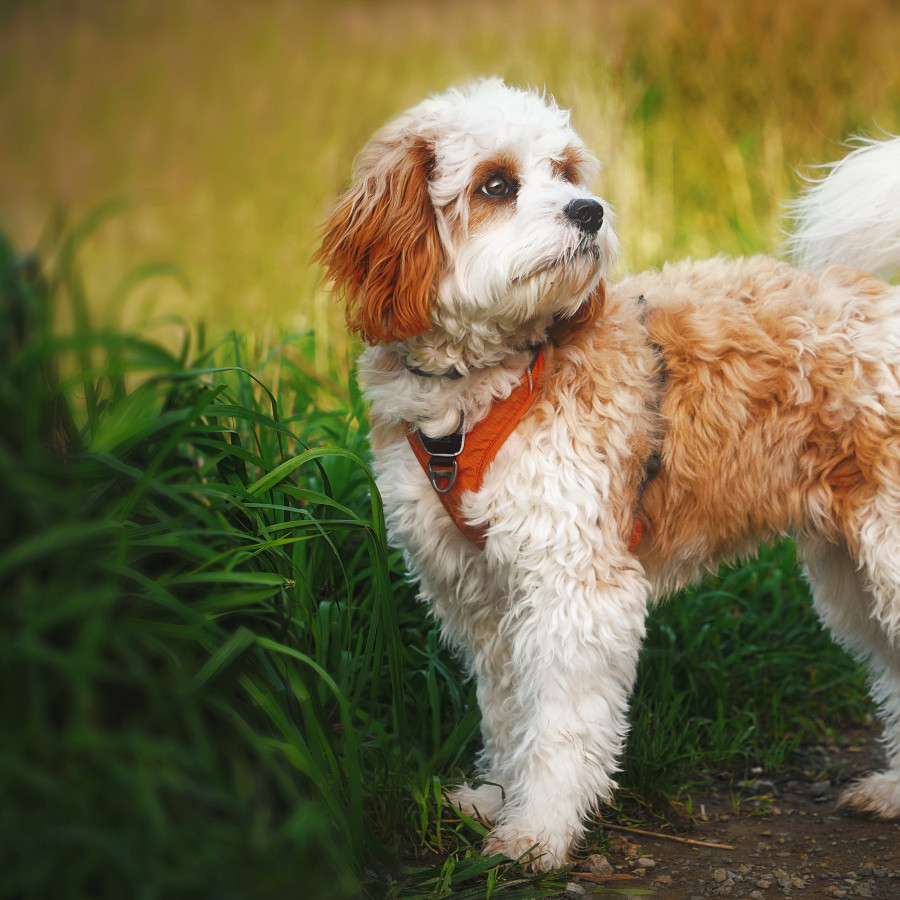
The most important thing when looking for a good harness is that it should allow your dog to move freely without their front legs being restricted. We recommend choosing a style that has a Y-shaped front rather than one with a horizontal strap across the chest.
If your dog isn’t used to wearing a harness, please don’t be tempted to put it on them straight away for a walk. Instead, take some time to familiarise your dog with it. Let them sniff the harness and then give them a tasty treat. Repeat this a few times.
Once your dog seems happy, you can start with the harness training. Introduce your dog to the harness clipping sound and give them a treat or two while doing this. This will help them form a positive association with it. Once they seem comfortable, crack on with the next step.
Most of the Y-fronted harnesses have a hole for dogs to put their head through. Start with luring their head through with a tasty treat. If this goes well, move onto fastening the clips.
If your dog has long hair, take care not to catch it in the clips. Keep your voice and handling calm whilst fitting the harness and reward your dog with tasty treats. Remove the harness and reward them again for remaining calm. Repeat this a few times.
Once your dog is ready, they’ll need to get used to wearing the harness. Playing with them outside or giving them a long-lasting chew to eat whilst they have the harness on will help.
Let the walks begin!
Dogs are surrounded by attractive sniffs and visual distractions on their walks. By putting a harness on them, you’ll ensure they won’t accidentally damage their throat on their collar when something exciting catches their attention.
The sight of a harness made me nervous at first. It felt strange putting my head through a hole and having straps under my chest. When my human started giving me treats every time they got the harness out, I grew to like it more. Now my walks are much more comfortable!
Provide your dog with a tasty stuffed Kong or similar – you can give this to them just before you leave. If they don’t eat it, it could mean they aren’t coping.
Exercise your dog before you leave them. Make sure you do this at least 30 minutes before you go, so they have a chance to calm down after their exercise.
If your dog is very stressed by your absence, they may need a personalised training plan or some medication from the vet to help them cope with the panic they feel when they are alone.
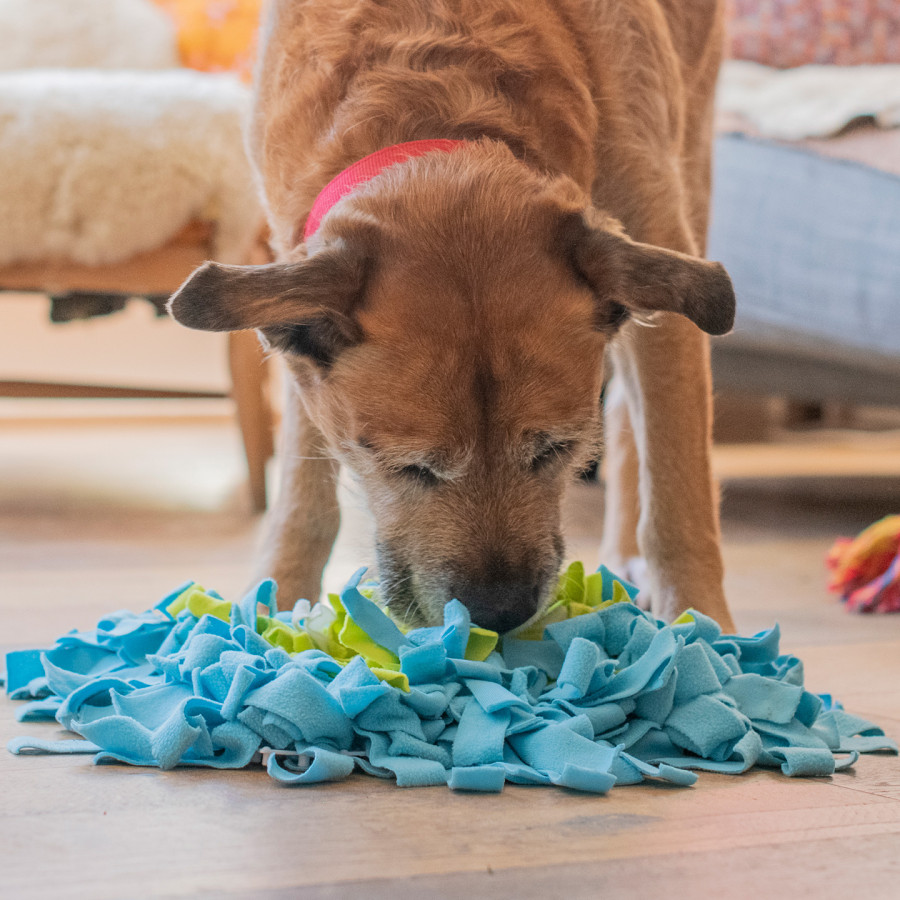
Graham asks
What can I do to stop my dog getting bored?
Emily asks
How can I stop my dog from running away?I was struggling with my dog's anxiety, especially when we had to leave the house. Thanks to Woodgreen's advice, I've made some changes that have worked wonders. By sticking to a consistent routine, my dog knows what to expect each day, which has significantly reduced her anxiety.
This advice really helped me and my new pup! I tried teaching recall without your guidance and struggled. Woodgreen's step-by-step dog training videos break each action down for you and I'm happy to say we finally made progress!
Give us your feedback and we'll send you advice and tips on caring for your pets. We'd also love to send you updates about Woodgreen, including heart-warming pet stories and ways you can support us.
Please call our pet support line on 0300 303 9333 (7 days a week – 8.30am - 4pm)