How often should I bathe my dog?
Lindsay Arliss, Dog Behaviour and Training Specialist
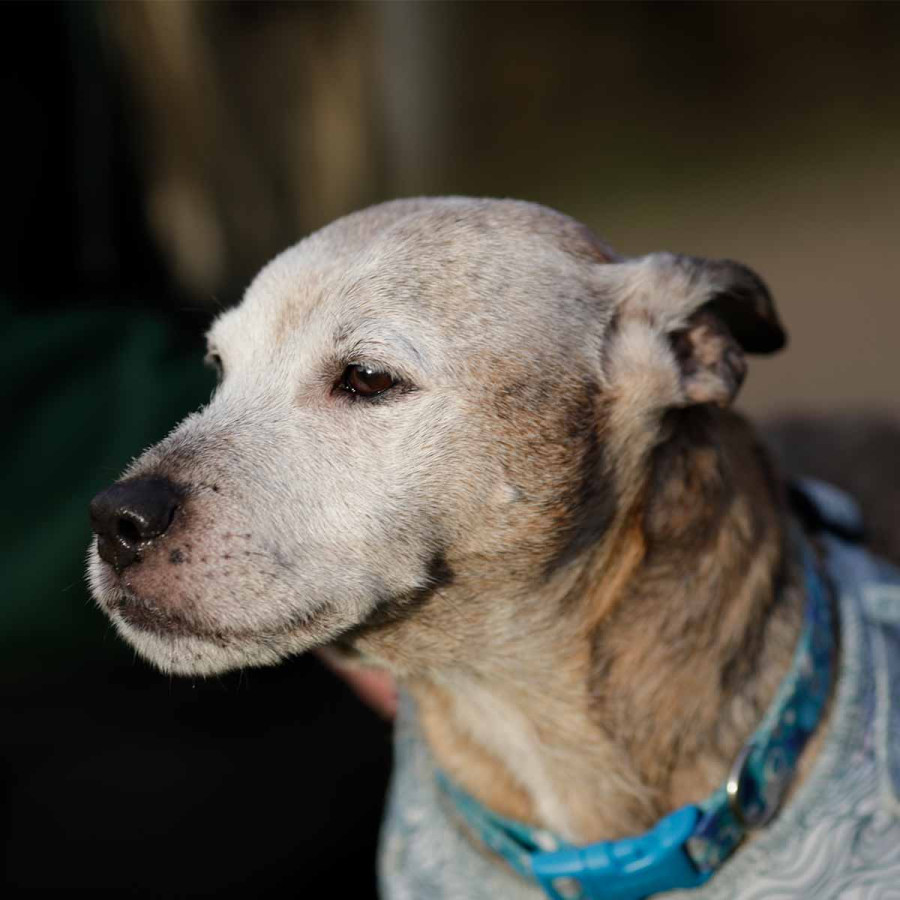
"My dog has started losing fur and I’ve noticed a bald spot on their coat – why is my dog losing fur, and what should I do without making things worse?"
Noticing hair loss, thinning fur, or a bald patch on your dog’s coat can be worrying. You might wonder if it’s been caused by something simple like fleas, a skin infection, or an allergy. You might also worry that it’s a sign of a more serious health problem.
Hair loss can be especially concerning when it appears suddenly or spreads quickly. It’s also a big concern when it affects a young puppy whose coat should still be developing.
We’re here to help you understand the possible causes and make a sensible plan for what to do next.
Alopecia is the medical word for hair loss. When it comes to dogs, alopecia can show up as thinning fur, patchy hair loss, or clearly defined bald areas.
While some shedding is completely normal, especially during seasonal coat changes, true bald spots are not part of normal moulting. It usually means something is irritating the skin or affecting hair growth.
Common causes range from external parasites like fleas or mites, to allergies, bacterial or fungal skin infections. Sometimes there are underlying medical conditions such as hormonal imbalances. The pattern and speed of hair loss can give useful clues about what might be happening.
At home, you can gently check your dog’s skin for redness, scabs, flakes, or signs of scratching, and note where the hair loss is occurring.
Avoid using home remedies, essential oils, or medicated products not prescribed for your dog. These can make skin problems worse. If hair loss is spreading, your dog seems uncomfortable, or you’re unsure of the cause, it’s best to contact a vet as soon as possible. This ensures the problem can be identified and treated appropriately.
Is my dog losing fur or just shedding?
All dogs shed hair as part of their normal coat cycle. Many breeds lose more fur during seasonal changes, especially in spring and autumn, when they swap between thicker and lighter coats. This type of shedding is usually even all over the body, and the skin underneath looks healthy.
Hair loss is different from normal shedding. Signs it may be more than moulting include bald patches, patchy or uneven fur, broken hairs, or areas where the coat looks thinner than usual. You might also notice redness, flakes, scabs, sore areas, or skin that smells unpleasant. Dogs may scratch, lick, or rub these areas more than normal.
True bald spots are not part of normal shedding. If you can clearly see the skin where fur should be, it’s a sign that something is affecting the skin or hair growth. When this happens, it’s worth looking into further.
What causes alopecia in dogs?
Alopecia simply means hair loss, and there are many possible causes. One of the most common is parasites, such as fleas or mites. These irritate the skin and trigger scratching and inflammation. Even a small number of fleas can cause significant hair loss in sensitive dogs.
Allergies are another common cause. Dogs can react to things in their environment, such as pollen, dust mites, or certain foods. Allergic skin often looks red and itchy, and dogs may lick or chew themselves, leading to bald areas.
Skin infections, including bacterial or yeast infections, can also damage the hair and skin. These may cause redness, greasiness, scabs, or a strong smell. Some dogs lose fur because they repeatedly lick or chew one area due to discomfort or pain.
Sometimes, hormonal or other medical conditions affect hair growth. While seasonal coat changes can increase general shedding, true alopecia usually has an underlying cause that needs attention.
Bald spots on dogs – what does it mean?
A single bald spot can have different causes. One isolated area might be linked to licking, irritation, or a local skin infection. Several patches can suggest parasites, allergies, or a more widespread skin problem.
The location of hair loss can give useful clues. Bald areas around the eyes or ears may be linked to mites or allergies. Hair loss at the base of the tail often raises suspicion of fleas. Thinning fur on the belly, legs, or feet is common in allergic skin disease.
It’s also important to look at the skin underneath. Is it flaky, red, sore, thickened, darkened, or moist? These changes, along with your dog’s behaviour, such as scratching, licking, or seeming uncomfortable, are just as important as where the hair loss is.
Bald spots on a puppy
Hair loss in puppies should not be ignored. While their coats are still developing, true bald patches are not considered normal. Puppies can be affected by parasites, skin infections, and irritation just like adult dogs.
Because their immune systems are still maturing, skin problems in puppies can sometimes spread more quickly. Bald areas that are crusty, sore, itchy, or getting bigger need urgent attention.
If your puppy seems unwell, less playful, or off their food, this makes a vet check even more important.
Unsure whether your puppy’s hair loss is normal or not? Ask your vet for advice.
When to contact a vet about dog hair loss
You should contact a vet if your dog’s hair loss is spreading quickly or getting worse. Broken skin, bleeding, oozing, swelling, pus, or a strong odour are all signs that the skin may be infected or very inflamed.
Severe itching, distress, or constant licking and chewing also need attention, as dogs can damage their skin more very quickly. Hair loss alongside other changes, such as lethargy, weight gain or loss, or changes in appetite or thirst, should also be checked.
Puppies with worsening hair loss should always be seen sooner rather than later. If there’s no improvement after a short period of monitoring, or you’re worried at any stage, it’s best to speak to a vet.
What not to do if your dog has hair loss
Avoid using human creams, essential oils, or harsh antiseptics on your dog’s skin unless your vet has advised it. Many products that are safe for people can irritate a dog’s skin or even be toxic.
Try not to scrub or over-wash sore areas, as this can make inflammation worse. Also, don’t ignore the possibility of parasites. If other pets in the home are scratching or losing fur too, they may need checking and treatment as well.
I was struggling with my dog's anxiety, especially when we had to leave the house. Thanks to Woodgreen's advice, I've made some changes that have worked wonders. By sticking to a consistent routine, my dog knows what to expect each day, which has significantly reduced her anxiety.
This advice really helped me and my new pup! I tried teaching recall without your guidance and struggled. Woodgreen's step-by-step dog training videos break each action down for you and I'm happy to say we finally made progress!
Give us your feedback and we'll send you advice and tips on caring for your pets. We'd also love to send you updates about Woodgreen, including heart-warming pet stories and ways you can support us.
Please call our pet support line on 0300 303 9333 (7 days a week – 8.30am - 4pm)