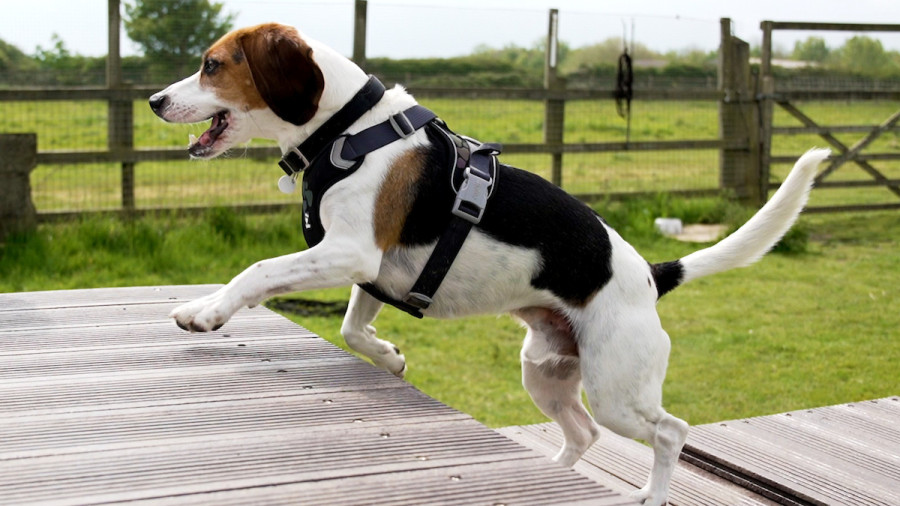
How do I know if my dog is a overweight or a healthy weight?
Emily Norton, Veterinary Department Manager
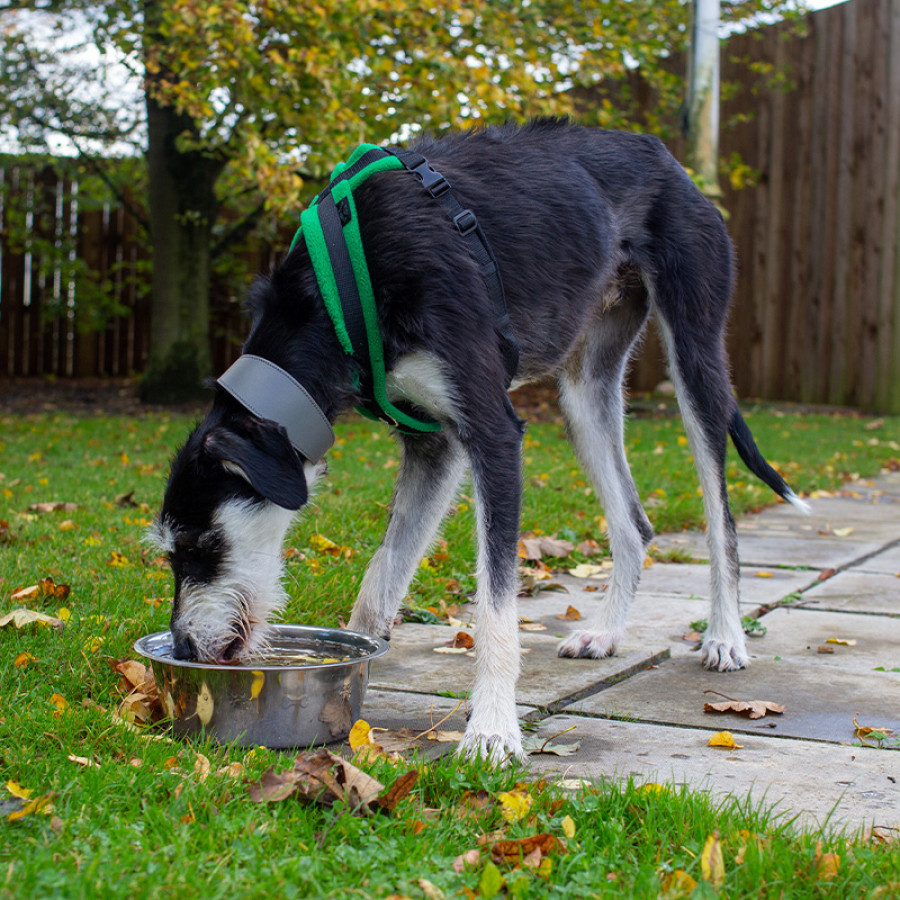
My dog has started drinking more water than usual and is constantly asking to go outside to wee. She also seems hungrier than normal but has lost weight even though she’s eating well. Could this be diabetes, and if so, what happens?

These signs are common early indicators of diabetes in dogs. While that could feel like a worrying diagnosis, diabetes can be managed with the right veterinary care and commitment from you to follow the correct feeding plan, medication and exercise.
What is diabetes in dogs?
Diabetes develops when a dog’s body can’t produce enough insulin to control their blood sugar level. Insulin is essential for moving sugar from the blood into the body’s cells, where it provides energy.
Without enough insulin, blood sugar can rise to dangerously high levels, while the body’s cells are left starved of energy. This is usually caused by the dog’s immune system mistakenly destroying their insulin-producing cells, though it can sometimes develop after a bout of pancreatitis.Signs of diabetes in dogs
Look out for these early signs of diabetes:
- Increased thirst.
- Increased urination, sometimes leading to accidents indoors.
- Unexplained weight loss.
- Increased appetite, despite weight loss.
- Low energy or lethargy.
If diabetes is left untreated, it can develop into a more serious condition called diabetic ketoacidosis. This is when toxic ketones build up in the body from prolonged time with high blood pressure, causing them to be very unwell.
Symptoms of this include vomiting, loss of appetite, weakness, and a sweet smell on the breath. This is considered a medical emergency, so contact your vet immediately if you notice these signs, particularly alongside any of the symptoms above.
Which dogs are most at risk?
While diabetes can affect any dog, middle-aged to older dogs between seven and ten years old are more at risk. Female dogs are diagnosed roughly twice as often as males, and the risk is higher in dogs that are overweight, or have previously had pancreatitis. Certain breeds may also be more predisposed to developing the condition.
How is diabetes in dogs treated?
If your vet suspects your dog may have diabetes, they’ll take blood and urine samples to confirm and rule out other conditions.
There is no cure for diabetes, but it can be managed well with insulin injections. These are done twice a day 12 hours apart, alongside a controlled and consistent diet. Your vet will guide you through this process and adjust the treatment plan as needed.
Treating diabetes takes commitment, it’s important to stick to a daily routine and regularly see a vet for monitoring. Consistency is key when it comes to treating diabetes, and most dogs go on to live long, happy lives.
It’s worth having an open and honest chat with your vet about any concerns, including the practical or financial side of ongoing care, as they can offer support and guidance.
I was struggling with my dog's anxiety, especially when we had to leave the house. Thanks to Woodgreen's advice, I've made some changes that have worked wonders. By sticking to a consistent routine, my dog knows what to expect each day, which has significantly reduced her anxiety.
This advice really helped me and my new pup! I tried teaching recall without your guidance and struggled. Woodgreen's step-by-step dog training videos break each action down for you and I'm happy to say we finally made progress!
Give us your feedback and we'll send you advice and tips on caring for your pets. We'd also love to send you updates about Woodgreen, including heart-warming pet stories and ways you can support us.
Please call our pet support line on 0300 303 9333 (7 days a week – 8.30am - 4pm)