Dog and Puppy Yeast Infections: Home Remedies for Ear Infections

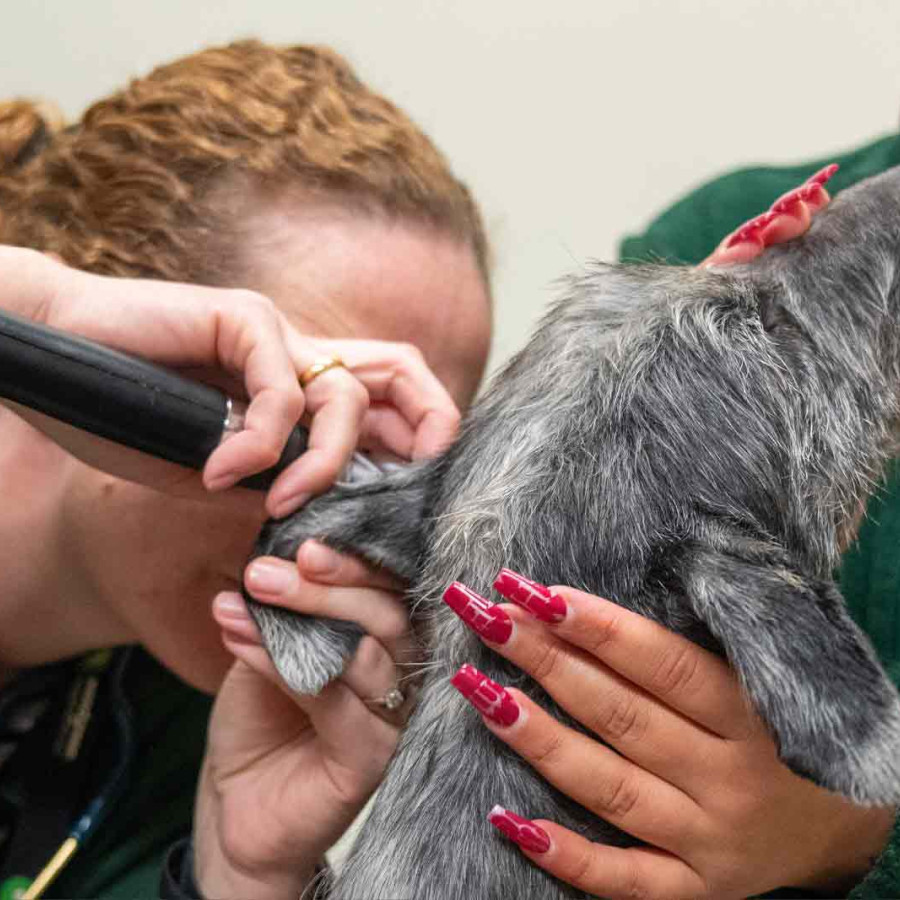
Close-up of a veterinary professional using an otoscope to examine the ear canal of a scruffy, grey-haired dog. An assistant in a green Woodgreen fleece holds the dog’s head steady.

Our expert advice

Advice by Emily Norton, Veterinary Department Manager

Signs and symptoms your dog or puppy may have a yeast infection: 

  • Itchy skin anywhere on the body, including in between the toes. 
  • Itchy ears – including head shaking or holding their ears in an abnormal position. 
  • Skin or ears appearing red, inflamed or sore. This can be more obvious in breeds that have skin folds, where there is less air circulation. 
  • A strong, musty smell caused by the infection. 
  • Brown, smelly, waxy discharge from the ears. 
  • The skin can sometimes look greasy, with a crusty or thickened/leathery appearance. Paler skin may look darker in colour. 
  • Fur colour changes from licking and saliva staining. This is often seen as a brown/red tinge. 

What can cause a yeast infection in dogs? 

  • Stressed or compromised immune system. 
  • Any allergies, or imbalance in your dog’s skin or digestive tract. 
  • Diet high in sugars. 
  • Moisture in skin folds. 
  • Secondary infection from other skin issues such as mites. 

How to treat a yeast infection in dogs

You can bath your dog in a prescribed or recommended shampoo that specifically targets yeast. If you’re worried about bathing your dog, talk to a vet or a groomer.  Some dogs may need a diet change if they have any allergies to the ingredients in their food, which commonly includes certain proteins. But this can be quite complex, so seek advice from your vet about trialling a special diet.   Some dogs may be allergic to something in their environment, which might need to be investigated. Lowering your dog’s stress levels may help to avoid overgrowth of yeast.  Your vet may prescribe oral medication, medicated shampoo or products that need to be applied to the surface of the skin. They may also provide treatments for the ear, a dietary change or a combination of these things. 

How to prevent a yeast or ear infection from occurring again 

  • Regular cleaning of the ears and skin folds with veterinary products for breeds with skin folds. It’s recommended to routinely clean these to prevent certain skin issues developing (including in between the toes and base of the tail, but this can be advised or demonstrated by a veterinary professional or groomer). 
  • Lowering your dog’s stress levels may help to avoid overgrowth of yeast. For more advice, contact our team. 
  • Regular grooming of their coat and fur. 
  • Drying of the coat and ears if they become wet. This can also prevent other skin issues developing, such as hot spots. 
  • Checking their diet for levels of sugar with your vet and speaking about the best type of food to give them. 
  • Consider adding pre and probiotics, as well as omega-3 fatty acids, to help support the skin and intestines. 
  • Monitor their skin and ears closely for any flare-ups and seek veterinary advice. 
  • Limit or reduce access to any environmental allergens. 

More information

Regular bathing and grooming help prevent yeast infections and keep your dog’s skin healthy — find guidance on how often to bathe your dog here. You can also learn how to perform a full dog health check

See more
at home to spot early signs of irritation, infection, or other changes in your dog’s skin, ears, or coat.

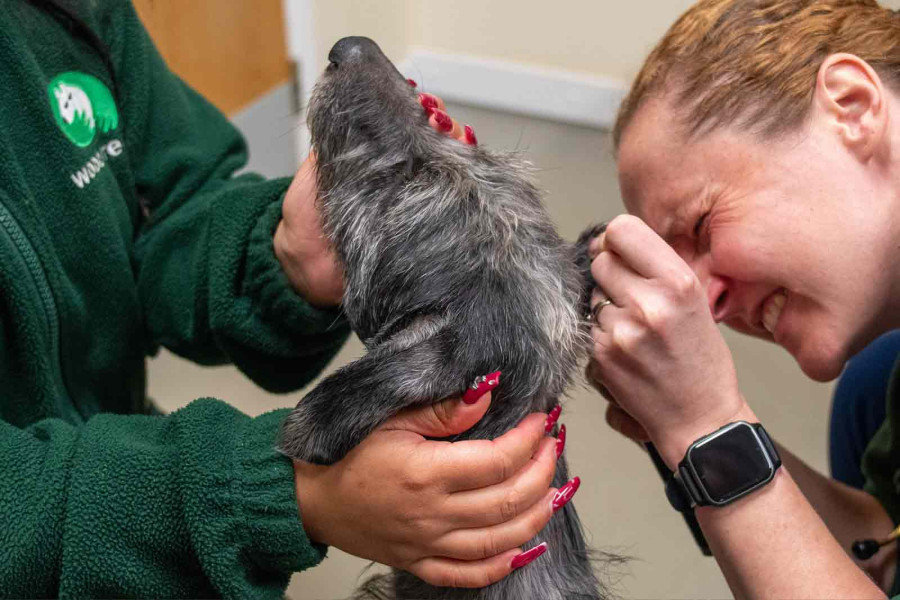
A veterinary professional leans in closely to examine the ear of a grey terrier-mix dog. The professional is wearing a black smartwatch, while an assistant wearing a green branded Woodgreen fleece gently supports the dog’s head and neck.

Three things you can do today

Routine care for dogs with skin folds

For dog breeds with skin folds, routine cleaning of these may prevent some skin issues developing including in-between toes and base of the tail if it is sunken 

Early treatment helps prevent costly skin infections

Early treatment and resolution of a yeast infection will prevent further skin issues/infections developing – which come at a cost 

All dogs are susceptible

Any dog of any age is at risk of a yeast infection 

Similar questions

Tell us what we should answer next

Ask our experts a question

Hear from other humans

Carla

📍 Wales
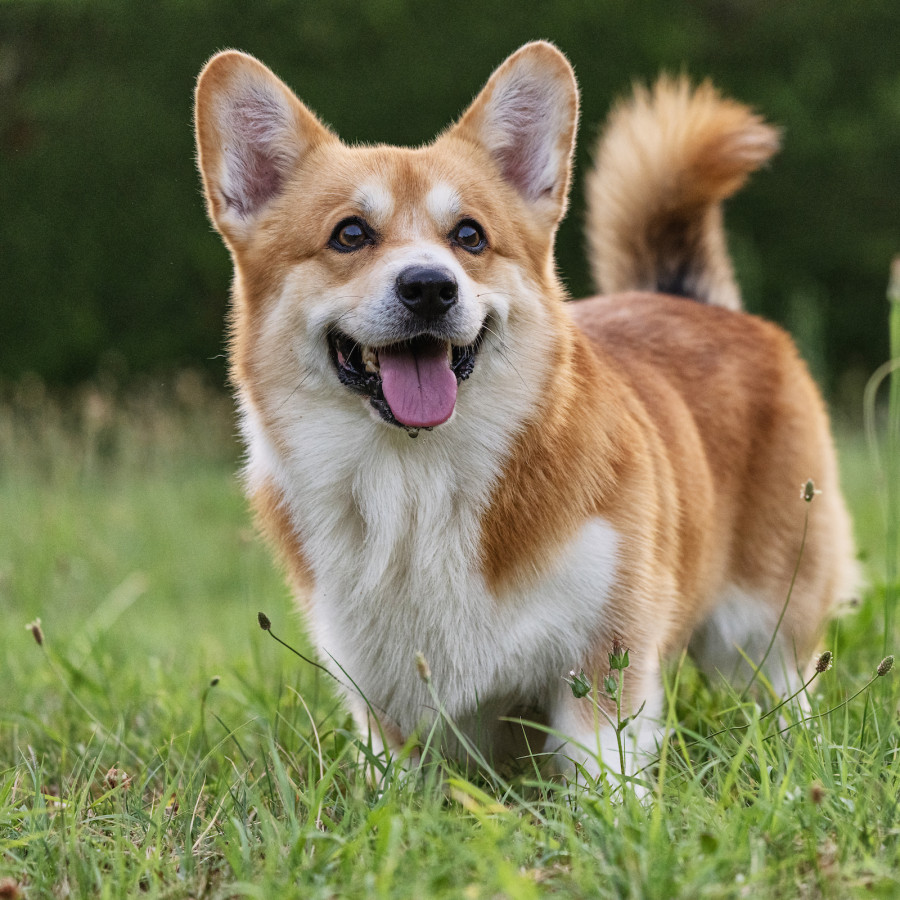
  • Dog breed: Corgi
  • Dog age: 3 years
  • Owner expertise:

I was struggling with my dog's anxiety, especially when we had to leave the house. Thanks to Woodgreen's advice, I've made some changes that have worked wonders. By sticking to a consistent routine, my dog knows what to expect each day, which has significantly reduced her anxiety.

Sarah

📍 Sussex
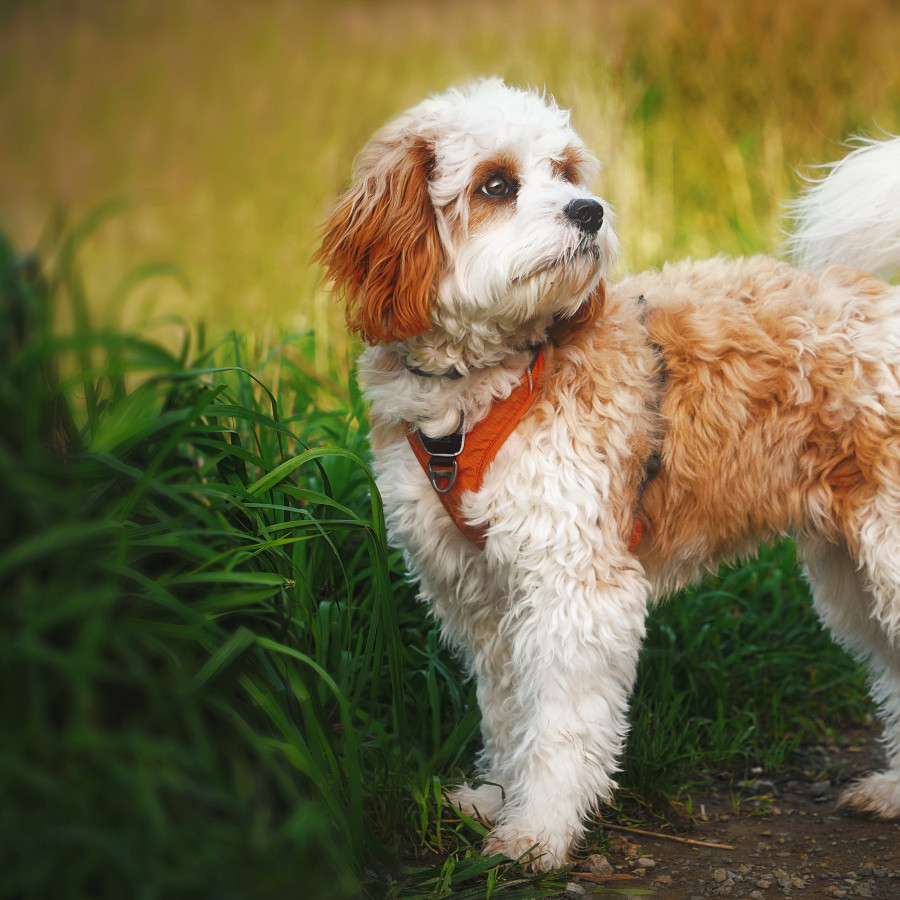
  • Dog breed: Cavapoo
  • Dog age: 1 years
  • Owner expertise:

This advice really helped me and my new pup! I tried teaching recall without your guidance and struggled. Woodgreen's step-by-step dog training videos break each action down for you and I'm happy to say we finally made progress!

Help shape the future of Woodgreen's pet advice

Give us your feedback and we'll send you advice and tips on caring for your pets. We'd also love to send you updates about Woodgreen, including heart-warming pet stories and ways you can support us.

You can unsubscribe at any point by following the links in any email we send you, or contacting our Supporter Relations team on 0300 303 9876. See our full privacy policy here.

Still need help with your dog and want to speak to someone?

Please call our pet support line on 0300 303 9333 (7 days a week – 8.30am - 4pm)
Helping pets and their people