Sadie asks
How do I know if my dog has fleas?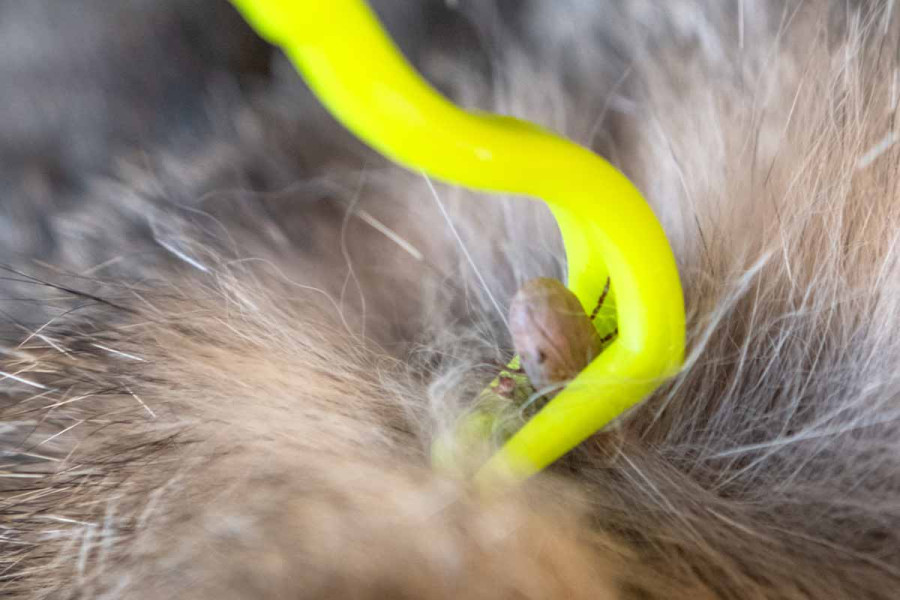
Finding ticks on dogs is a common concern for owners in the UK, usually after walks in grassy, wooded, or heathland areas.
Ticks are small parasites that feed on blood. Dogs can pick them up while exploring outdoors.
If you notice a tick, it’s understandable to feel unsure or worried. The good news? Once found, they can be removed quickly using a simple tool!
With regular checks, ticks can be spotted and swiftly treated.
What are ticks and how do dogs get them?
Ticks are small, spider-like parasites that attach to animals and feed on their blood.
There are several different species of ticks in the UK. They wait on long grass or vegetation and latch onto the fur of passing animals (this is called questing). They will then crawl through the fur until they attach to the skin. It might surprise you to know that ticks cannot jump or fly!
Ticks are most active in the spring to autumn period, but can be found all year round, especially during mild winters.
Dogs love exploring, so picking up occasional ticks is not unusual – and they can be very small and hard to spot.
Regular checking is recommended. You may also wish to consider using a combined anti-parasitic treatment which treats fleas and ticks.
What do ticks look like?
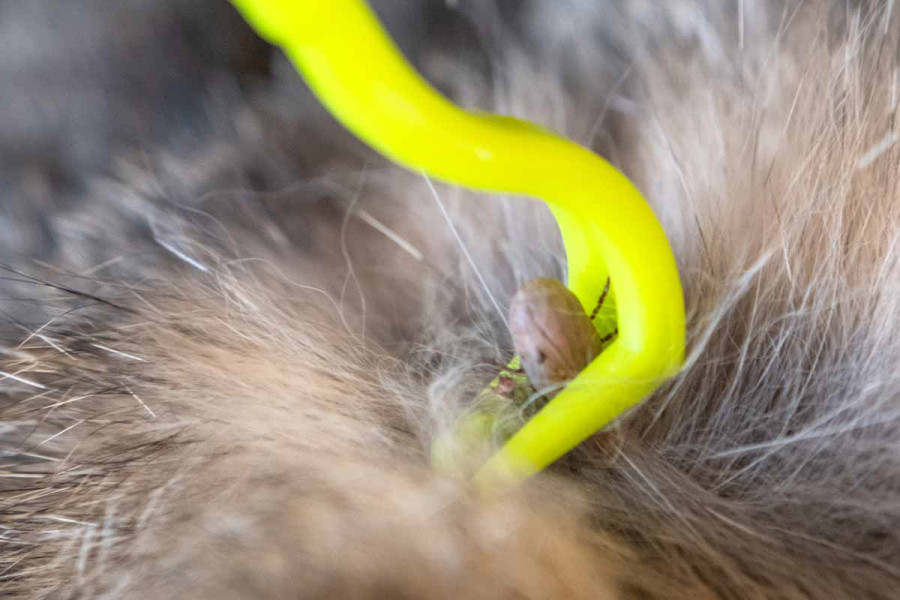
Ticks on dogs can vary in size and appearance depending on how long they’ve been attached. Before feeding, they’re often very small (about the size of a sesame seed) and may look brown, black, or grey. After feeding, they become larger, rounder, and more noticeable as they fill with blood.
They’re often mistaken for skin tags, small lumps, or scabs because they attach firmly to the skin. Unlike a scab, a tick usually has a smooth, rounded body and may feel slightly firm or rubbery.
Ticks can also be hard to spot through thick fur, which is why regular hands-on checks are so important.
How to spot a tick on your dog
The best way to spot a tick is by checking your dog carefully after walks, especially in grassy or wooded areas. Run your hands slowly over their body, feeling for small lumps on the skin that weren’t there before.
Ticks commonly attach around the head and ears, under the collar on the neck, in the armpits and groin, and on the paws or between the toes. Skin folds are also favourite hiding places.
You might notice a small, pea-sized lump on your dog’s skin or an area that seems slightly irritated. Some dogs may scratch or shake their head if a tick is causing discomfort, but many show no obvious signs at all.
How to safely remove a tick from a dog
Removing ticks quickly reduces the chance of irritation and disease transmission. The safest way to remove a tick from a dog is with a proper tick removal tool, which you can buy from vets or pet shops.
Gently slide the tool under the tick, close to the skin, and twist as directed until the tick releases. Avoid squeezing, crushing, or pulling the tick directly with your fingers. This can result in leaving parts behind or push bacteria into the skin.
Make sure the whole tick, including the mouthparts, is removed. If you’re unsure, the tick breaks, or your dog is very wriggly, ask a vet or nurse for help with dog tick removal.
Are ticks dangerous to dogs?
Most tick bites don’t cause serious harm, and many dogs never develop any problems afterwards having a tick. But ticks can carry diseases (such as Lyme’s disease), so it’s still important to remove them quickly and monitor your dog afterwards.
The risk of disease is generally low in the UK but increases the longer a tick stays attached. After removing a tick, keep an eye on the area for redness, swelling, or discharge. Also watch for signs like lethargy, lameness, or reduced appetite.
If you notice anything unusual in the days or weeks after a tick bite, contact your vet for advice.
How can I help avoid ticks on my dog?
Check fur regularly and remove as soon as possible.
Where possible, try to keep your dog out of very dense undergrowth or long grass, especially during peak tick season. After walks in higher risk areas, check for ticks at the same time as washing or drying your dog.
If you regularly walk in tick-heavy environments or are travelling abroad with your dog, speak to your vet. They can recommend preventative options that may help reduce the chance of ticks attaching.
Where do dogs pick up ticks?
Ticks wait on plants and attach when an animal brushes past. They don’t live on dogs permanently. Even short walks in parks or along grassy paths can expose dogs to ticks – especially in areas with wildlife such as deer, rodents, or birds.
Why ticks are hard to spot
Ticks can be tiny before feeding and are easily hidden by fur, especially in long-haired breeds. Once attached, they blend in with the skin and may feel like a small lump or scab. This is why gentle, regular hands-on checks are more reliable than just looking.
Why certain body areas attract ticks
Ticks prefer warm, protected areas where the skin is thinner. This is why they’re often found around the ears, under collars, between the toes, in the armpits, and in the groin. These spots should be checked carefully after outdoor walks.
Why proper tick removal matters
Using fingers, tweezers, or squeezing the tick can leave mouthparts behind or push infected material into the skin. Tick removal tools are designed to detach the tick safely and reduce irritation, infection, and the chance of complications.
Monitoring after a tick bite
After a tick is removed, a small bump or mild redness can be normal for a few days. If you notice increasing swelling, discharge, pain, or general signs such as lethargy or lameness, see a vet – especially if they appear days or weeks later.
Extra tick prevention advice
No method prevents ticks completely, but combining regular checks with veterinary-recommended parasite control can help reduce the risk.
Dogs who walk in woodland or travel abroad may need tailored prevention, so it’s worth discussing your dog’s lifestyle with your vet.
After time outdoors, especially in grassy or wooded areas, run your hands over your dog’s body to feel for small lumps. Pay close attention to the ears, neck, armpits, groin, paws, and under the collar where ticks often attach.
Ticks can look like small dark seeds or larger grey lumps once they’ve fed. Learning to recognise what ticks on dogs look like makes it easier to spot them quickly and avoid mistaking them for skin tags or scabs.
Having a proper tick removal tool at home means you can act quickly if you find a tick. Safe removal reduces irritation and lowers the risk of infection – keeping your dog comfortable and healthy.
I was struggling with my dog's anxiety, especially when we had to leave the house. Thanks to Woodgreen's advice, I've made some changes that have worked wonders. By sticking to a consistent routine, my dog knows what to expect each day, which has significantly reduced her anxiety.
This advice really helped me and my new pup! I tried teaching recall without your guidance and struggled. Woodgreen's step-by-step dog training videos break each action down for you and I'm happy to say we finally made progress!
Give us your feedback and we'll send you advice and tips on caring for your pets. We'd also love to send you updates about Woodgreen, including heart-warming pet stories and ways you can support us.
Please call our pet support line on 0300 303 9333 (7 days a week – 8.30am - 4pm)