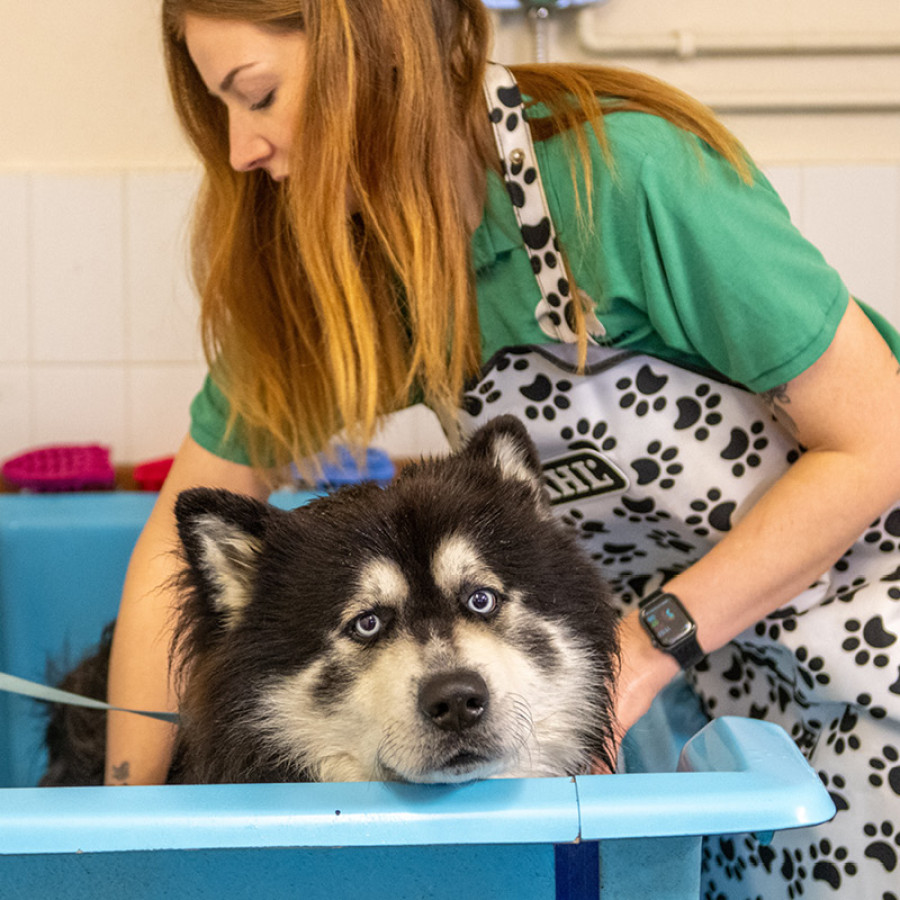
Benjamin asks
How often should I bathe my dog?Grooming isn't just about making your dog look their best – it's a core part of their wellbeing. Brushing, bathing, and nail care keep your dog comfortable and prevent pain, skin problems, or infections.
The amount of grooming your dog needs will depend on their breed. For some, daily brushing and combing is a must, while others only need it once a week. Similarly, some breeds need professional grooming every six weeks, while others may only need a tidy twice a year.
Many dogs can be fully groomed at home if you have the right kit. What matters most is that grooming is calm, positive and consistent. If your dog learns early on that grooming happens at their pace and involves lots of treats and praise, it’s much easier for everyone!
Worried that your dog hasn’t been groomed before? That's okay – start today and build their confidence step by step!
Why is it important to groom my dog?
Regular brushing removes dirt, loose hair and dandruff. It also keeps air circulating through their coat so the skin stays healthy.
If your dog isn’t brushed thoroughly enough, their fur can become matted. As well as looking untidy, matted fur can be very painful. Tight knots pull on the skin, trap moisture and can even hide sores underneath.
For some dogs – especially curly-coated breeds like poodles and doodles – matting can be hard to spot from the surface. These dogs might need to be shaved very short at their next groom. When you’re grooming your dog at home, you’re also doing a little health check without making a big fuss. Whilst brushing, you can spot:
Catching small problems early often means simpler, less stressful treatment.
Grooming is also about trust. When it’s done gently at your dog’s pace, it teaches them that being handled is safe. This can make vet visits, nail trims, and health checks easier in the long run.
When should I start grooming my dog?
The earlier the better, but this doesn’t mean full spa days! To start with, focus on helping your dog feel relaxed about having their paws, ears, tail, and mouth touched. From there, you can slowly introduce brushes, nail clippers, and toothbrushes.
If you're getting a puppy, the breeder should have been doing baths, brushing, and nail trims already, so you should have a bit of a head start. Older dogs may have minimal, or bad, experiences with grooming. So take it slow and use lots of treats for encouragement.
Keep it short and positive – and stop while they’re still comfortable. A few seconds of calm handling followed by a treat is far more powerful than a longer session they struggle with, or just about tolerate!
How often should a dog be groomed?
This depends on their coat type, lifestyle and what they get up to on walks. A muddy woodland explorer will need more maintenance than a pavement potterer!
Groomers often group dogs' coats into five common types, plus hairless and corded breeds, and each comes with slightly different needs.
Long coats need daily attention to stop tangles turning into matts. Some have a single coat, like Maltese, Shih Tzus and Lhasa Apsos. Others have a double coat, like Golden Retrievers, Huskies, and German Shepherds.
Double-coated dogs will shed a lot of soft, fluffy undercoat twice a year. Shaving can seriously damage their coat and make it hard for them to keep warm in winter and cool in summer.
For long-coated breeds, use a slicker brush and pin brush. Double-coated dogs will also need an undercoat rake – especially during heavy shedding seasons.
Non-shedding coats don’t lose hair naturally, so they keep growing. This means regular clipping or trimming is essential – like us humans! Bichon Frises, Poodles, and other Poodle crosses, are good examples of this coat-type.
Most of these dogs need professional grooming every six to eight weeks, plus brushing at home in between to prevent knots forming close to the skin.
Silky coats look beautiful, but can tangle easily. Yorkshire Terriers, Spaniels, and Setters, benefit from frequent brushing with a slicker brush, and a final comb through with a wide-toothed comb to check for hidden knots.
Gentle, thorough brushing is key – rushing this coat type can cause discomfort.
Dogs with wiry coats include Border Terriers, Westies, some Dachshunds, and Schnauzers. They can be hand stripped a couple of times a year to maintain texture, which involves plucking out dead hair with special tools. As you can imagine, it takes a long time and is something your dog will need training to be comfortable with. Getting them clipped regularly can be less stressful, if you and your dog prefer.
Wiry coats still need routine combing to prevent matting around legs, beards and eyebrows.
Smooth-coated breeds like Labradors, Staffies, and Greyhounds, are generally lower maintenance.
A grooming mitt or soft brush once a week usually keeps these dogs’ coats healthy and helps remove loose hair.
Choosing the right groomer for my dog
Dog grooming isn’t currently regulated in the UK, so it’s worth doing a little homework – and we can help!
Look for:
A good groomer should prioritise your dog’s comfort over speed of getting the job done. They should also be happy to answer questions and explain how they support nervous dogs.
Grooming and bathing your dog at home
Many dogs can be groomed at home between professional appointments. The key is keeping sessions short, calm and positive. Make sure you reward relaxed behaviour and pause if your dog looks unsure.
Brushing
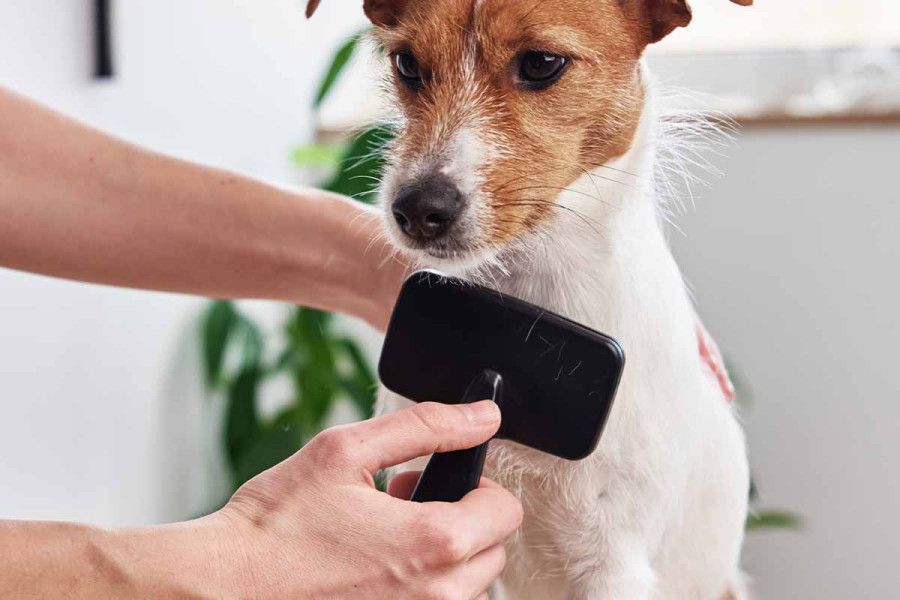
For long or curly coats, it’s important to make sure you’re brushing all the way down to the skin rather than just smoothing the top layer. Do this by lifting the coat up with one hand and brushing down small sections at a time with the other, working your way up their body. If you’re unsure whether you’re reaching the skin properly, ask a groomer to show you at your next appointment – they should be happy to talk you through it.
Pay extra attention to the tummy, behind the ears, under the collar, and the thighs. These spots tangle most easily.
Baths
Most dogs only need a bath when they’re genuinely dirty or have rolled in something unpleasant. Over-bathing can strip the natural oils from the coat and leave skin dry or irritated.
Always use a dog-specific shampoo. Human products can upset their skin’s natural balance. If your dog has ongoing skin problems, speak to your vet before bathing.
Nails
When trimming your dog’s nails, take care to avoid the ‘quick’ - the sensitive vein and nerve inside the claw. If it’s trimmed by accident, it’s painful and causes bleeding, a bit like cutting your own nails too short.
You can usually see the quick as a pink section, but in darker nails it can be much harder to spot. You might prefer to have nails trimmed by a groomer or vet nurse to start with, and can ask them to show you how to do it safely.
Check the vaccination status of your dog. Keep in touch with local vets in your area to stay informed of any outbreaks of parvo.
Think hygiene, always pick up your dog’s poo and dispose of in correct bin ensuring you wash your hands after their walk
Avoid wearing outdoor shoes inside house, even if they look clean. This is especially important if any unvaccinated dogs or immune compromised dogs are living there.
Benjamin asks
How often should I bathe my dog?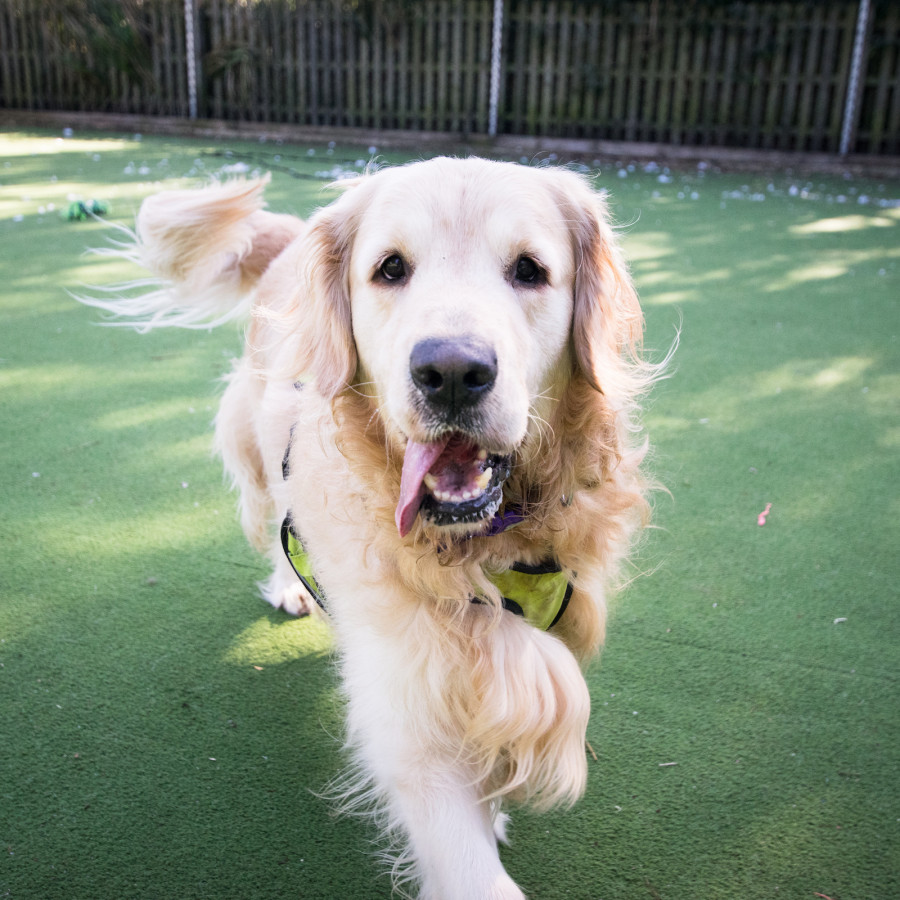
Anya asks
How do I cut my dog's nails?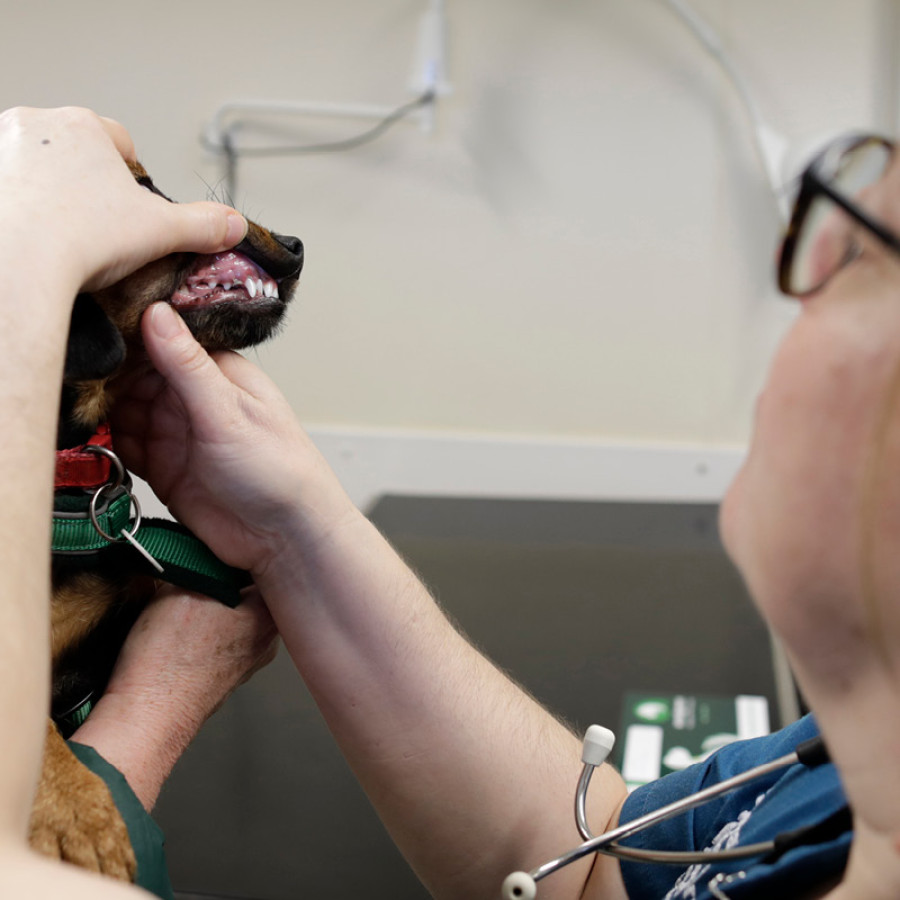
Thomas asks
How to look after your dog's teethI was struggling with my dog's anxiety, especially when we had to leave the house. Thanks to Woodgreen's advice, I've made some changes that have worked wonders. By sticking to a consistent routine, my dog knows what to expect each day, which has significantly reduced her anxiety.
This advice really helped me and my new pup! I tried teaching recall without your guidance and struggled. Woodgreen's step-by-step dog training videos break each action down for you and I'm happy to say we finally made progress!
Give us your feedback and we'll send you advice and tips on caring for your pets. We'd also love to send you updates about Woodgreen, including heart-warming pet stories and ways you can support us.
Please call our pet support line on 0300 303 9333 (7 days a week – 8.30am - 4pm)