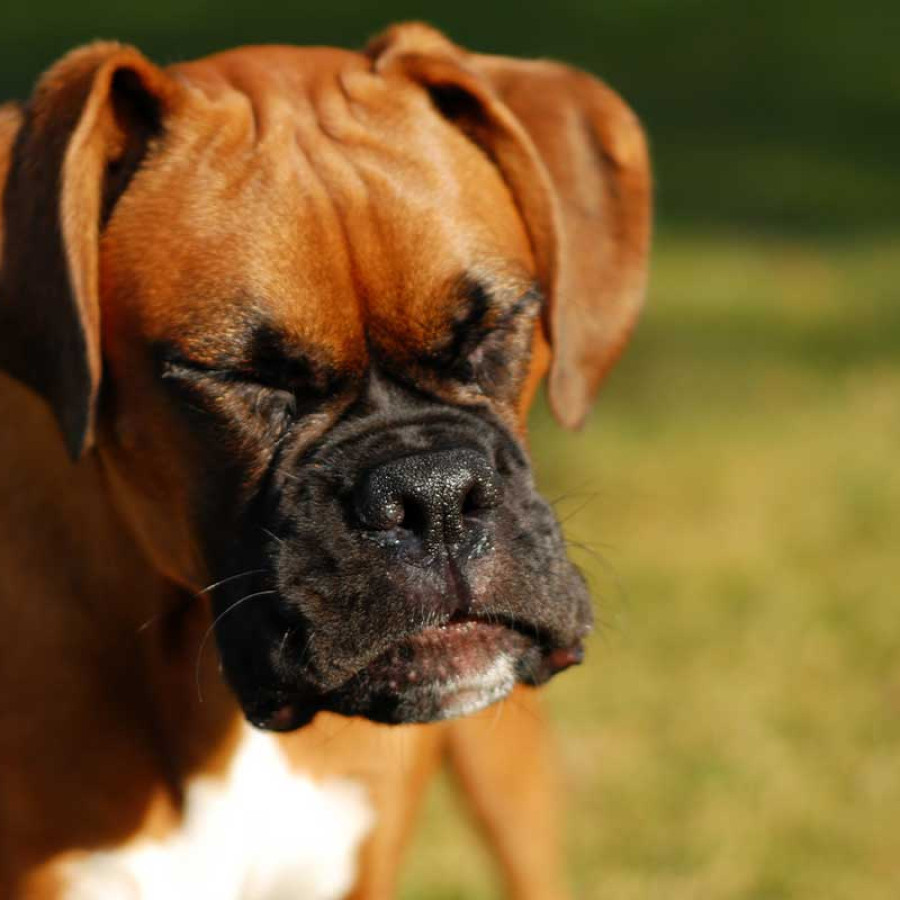
This is almost certainly reverse sneezing, which can be alarming to witness for the first time. It happens when a dog rapidly sucks air in through their nose, rather than pushing it out as in a normal sneeze. It often produces a loud snorting sound and can look a little like choking, even though it is nearly always harmless.
Below, our expert explains what reverse sneezing looks like, what causes it, how to stop an episode, and when it is worth a trip to the vet.
What does reverse sneezing look like?
During an episode, a dog will stand still with their elbows spread out, neck extended and eyes wide, making a series of rapid, honking or snorting inhalations through the nose. Episodes usually last between thirty seconds and one minute, and most dogs return to normal straight afterwards, as though nothing happened.
Why is my dog reverse sneezing?
Reverse sneezing is not fully understood, but vets believe it happens when the soft palate and throat spasm in response to irritation. Common triggers include:
- Pulling on the lead
- Overexcitement or excessive exercise
- Dust, pollen or other airborne allergens
- Strong smells, such as air fresheners or cleaning products
- Excess mucus at the back of the throat
- Eating or drinking too quickly
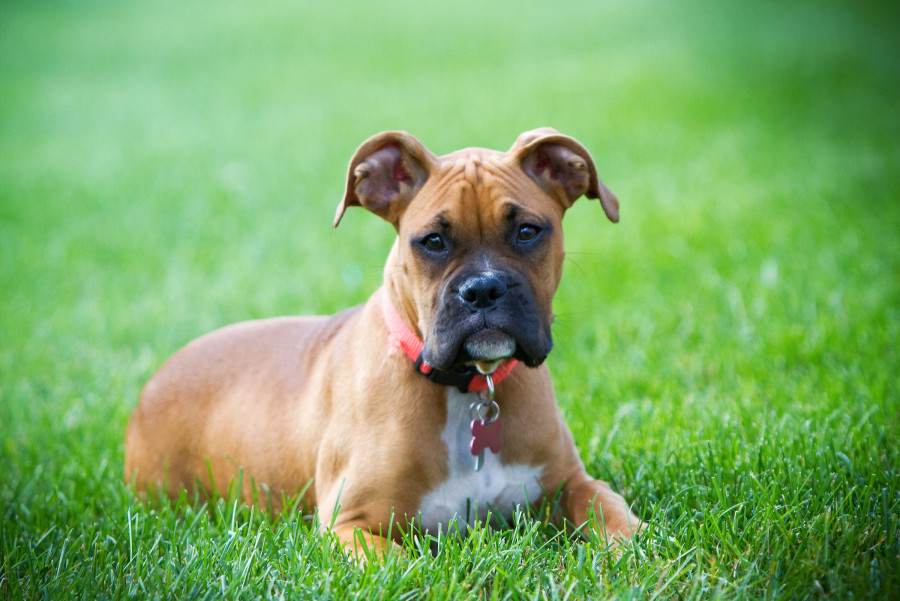
Small breeds tend to reverse sneeze more often than large breeds. Brachycephalic, or flat-faced, breeds such as Pugs, Bulldogs, French Bulldogs, Pekingese and Shih Tzus are especially prone to reverse sneezing, because their overlong soft palate is more likely to catch and irritate the airway.
Pollen is a common seasonal trigger, so if your dog's reverse sneezing seems to come and go with the time of year, it's worth reading our guide to spotting hay fever in dogs.
Dog sneezing vs reverse sneezing
A normal sneeze pushes air out through the nose in a single, sharp burst. Reverse sneezing pulls air rapidly inwards instead, and tends to repeat several times in a row. If your dog is sneezing a lot, or has a runny nose alongside frequent sneezing, this points towards a different problem, such as an allergy or infection, rather than reverse sneezing.
How to stop a dog reverse sneezing
Most episodes pass on their own within a minute, so the most useful thing you can do is stay calm, since your dog will often pick up on your own anxiety. A few gentle techniques can help bring an episode to an end sooner:
- Speak to your dog calmly and stroke their neck or head to help them relax.
- Gently massage the front of their throat, which some dogs find soothing during an episode.
- Lightly cover one or both nostrils for a few seconds. This encourages your dog to swallow, which can clear the irritation causing the spasm.
- Offer something to lick or a small drink of water, as swallowing can help settle the throat.
Treatment for reverse sneezing
In most cases, reverse sneezing does not need any treatment, and episodes settle on their own without lasting effects. If your dog starts reverse sneezing and you are unsure why, it is worth having them checked by your vet, particularly if it is the first time you have seen it happen.
If reverse sneezing is happening regularly enough to affect your dog's quality of life, your vet may want to check their nose and throat under anaesthetic. This can involve an X-ray and a procedure called rhinoscopy, where a small camera is used to look for irritants, foreign objects or other underlying problems. Where a cause such as allergies or mites is identified, your vet can then prescribe suitable treatment, such as antihistamines or anti-parasitic medication.
It is very unlikely that your dog will reverse sneeze during a consultation, so try to film an episode on your phone to show your vet. This is often more useful than a description alone. Since pulling on the lead is a common trigger, our guide to how to stop your dog pulling on the lead may also help reduce how often episodes happen.
What is a normal respiratory rate for dogs?
Reverse sneezing is not a breathing rate problem, but it helps to know what is normal so you can spot anything different. A healthy, resting dog usually takes between 15 and 30 breaths a minute. Count your dog's breaths while they are calm and relaxed, ideally not long after exercise or excitement, for the most accurate baseline. If their resting rate is consistently faster than this, or they seem to be working hard to breathe, contact your vet.
When to worry about reverse sneezing
Reverse sneezing is usually nothing to worry about, but let your vet know if:
- Episodes are becoming more frequent, severe or prolonged
- Your dog faints or collapses after an episode
- Your dog takes a long time to recover afterwards
- You notice a runny or bloody nose, ongoing coughing, or your dog seems generally unwell alongside the reverse sneezing
These signs can point to a different underlying cause, so it is best to have your dog assessed rather than assume it is a typical reverse sneezing episode.