Can dogs have hiccups?
Yes, dogs can get hiccups just like humans do. Hiccups happen when a muscle in your dog's chest suddenly squeezes tight, this pulls air into their body very quickly. At the same time, part of their throat closes quickly and makes the "hic" sound. Fortunately, dog hiccups are usually harmless and go away on their own.
What does a dog hiccup look like?
You'll know your dog has hiccups when you see quick, jerky movements in their chest or tummy. The movements repeat in a regular pattern and you'll also hear a clear "hic" sound, very similar to a human hiccup. Your dog will usually stay quite calm during a case of hiccups.
Is it normal for puppies to get hiccups?
Yes, absolutely. Nearly all puppies will get hiccups at some point, and they’re much more likely to get them than adult dogs. Puppies can even get hiccups before they're born, whilst in their mother's womb!
Puppies get hiccups more because their muscles aren't yet fully developed. They also have a tendency to eat and drink too quickly and get excited or worried more easily than adult dogs too. So, as your puppy grows and matures, it’s likely that hiccups will happen less often.
Why does my puppy keep getting hiccups?
The most common reasons dogs get hiccups are:
How to stop dog hiccups
Hiccups usually go away on their own within a few minutes. But if you'd like to help clear them faster, you can try these gentle methods:
Important: Never try human “hiccup curing” tricks, like attempting to scare your dog or making them hold their breath. These methods are dangerous and likely to cause distress.
How to prevent dog hiccups
You can't stop all hiccups, but these tips can help to prevent them:
When to worry about dog hiccups
Hiccups are usually nothing to worry about. But call your vet if:
In rare cases, hiccups that won't stop can be a sign of other health problems, so it's best to get them checked if you're worried.
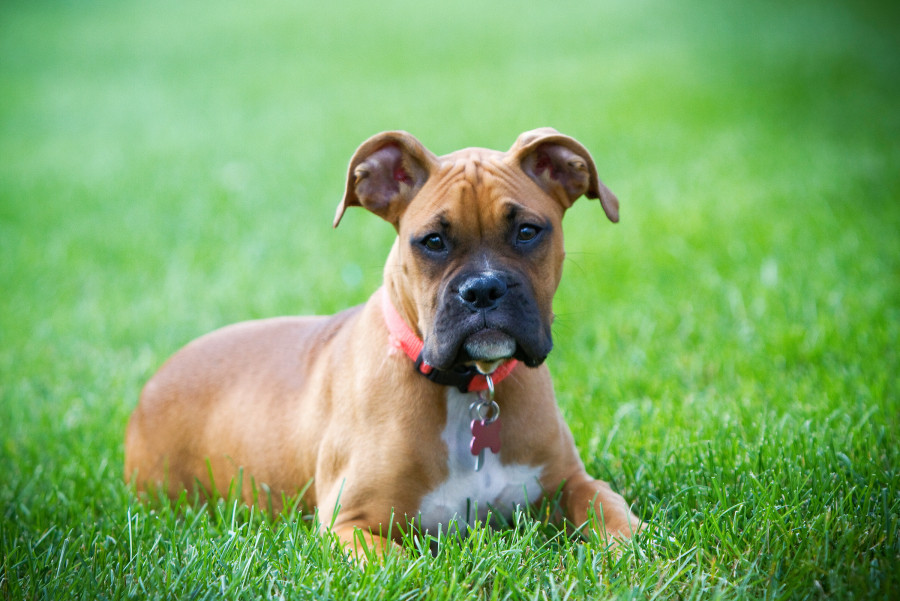
Some dog breeds may get hiccups more often. Flat-faced dogs like Pugs, Bulldogs and Boxers can get hiccups more because of their squashed airways. If you have a flat-faced breed, watch their breathing carefully.
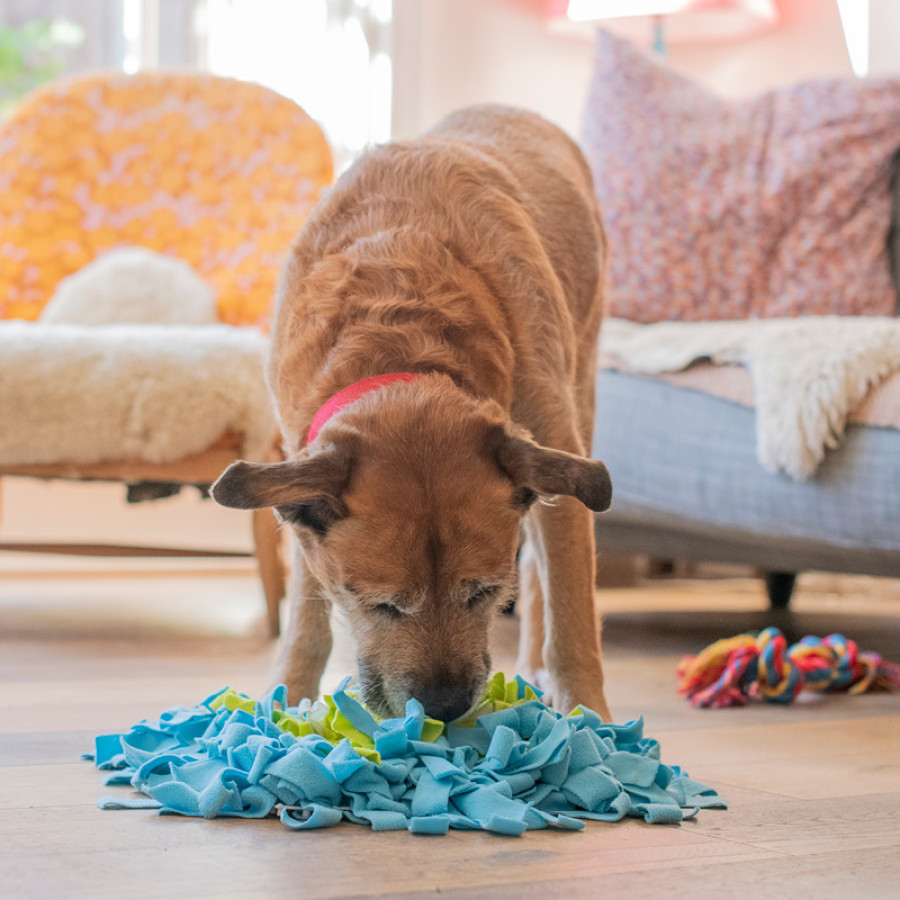
Use a slow-feeder bowl to stop your dog from eating their food too quickly. This simple change can reduce hiccups.
If your dog gets hiccups often, keep track of when they happen and what might be causing them.
Hiccups are usually harmless, but it's good to check with your vet if they seem painful or unusually consistent.

Chloe asks
How do I stop my dog from whining?
Alison asks
Dog constipation: What to do if my dog can't pooI was struggling with my dog's anxiety, especially when we had to leave the house. Thanks to Woodgreen's advice, I've made some changes that have worked wonders. By sticking to a consistent routine, my dog knows what to expect each day, which has significantly reduced her anxiety.
This advice really helped me and my new pup! I tried teaching recall without your guidance and struggled. Woodgreen's step-by-step dog training videos break each action down for you and I'm happy to say we finally made progress!
Give us your feedback and we'll send you advice and tips on caring for your pets. We'd also love to send you updates about Woodgreen, including heart-warming pet stories and ways you can support us.
Please call our pet support line on 0300 303 9333 (7 days a week – 8.30am - 4pm)