Raj asks
Why do dogs lick you?Puppies are not born knowing how we want them to behave. Although their breed can play a major factor in their personality, they're constantly learning how to behave from their surroundings and from you. Every experience, good and bad, can shape the adult dog they'll become.
Understanding puppy development
Puppies are born deaf and blind, relying on smell to find their mother. At around ten days old their eyes and ears open and they’ll start to understand the world around them through sights and sounds.
Your puppy’s first year is key to their socialisation and habituation. This is when your puppy's brain is most open to new experiences, so what happens during this time is likely to have a lasting impact. Puppies who have positive experiences when meeting new people or visiting new places during this time, tend to be more confident as adults.
Habituation is part of this process too. Habituation means helping your puppy get used to everyday things like the hoover, noise from the traffic, or people wearing hats. Helping your puppy become accustomed to everyday things helps them to understand they’re not a threat. Without proper habituation, puppies can develop fears that are challenging to fix later on.
Adolescence usually starts between six and 12 months of age, depending on the size of breed. A surge in hormones means that your dog might suddenly start to test boundaries or seem to forget their training. This phase can last until 18 to 24 months and although it's frustrating, it's a normal part of a dog’s development.
Why do puppies lick?
Licking starts in the nest. Mother dogs lick their puppies to clean them and help them go to the toilet. Puppies also lick their mum's mouth to ask for food.
As they grow, licking becomes a way for dogs to gather or process information.
Some puppies lick humans because they enjoy the slightly salty taste of skin, others do it when seeking attention. Even when licking is met with negative attention, like being pushed away, this teaches them that licking will get a response. So, be mindful what your attention might communicate to your puppy when they’re licking you!
Licking can also be done to self-soothe, signalling your puppy is stressed or worried. If your puppy licks their own nose or lips, they might be saying they feel unsure or need space. Read more about why dogs lick to understand this behaviour better.
Why do puppies get hiccups?
Hiccups are common in puppies and happen when the diaphragm has a sudden spasm. Puppies get them more often than adult dogs because their muscles are weaker and they breathe faster. For more information on what causes dog hiccups, and when to contact your vet, read our guide on puppy hiccups.
Hiccups usually stop on their own within a few minutes. They don't hurt your puppy and you usually don't need to do anything to help them pass. It’s important that you don't try tricks that work for human hiccups, like holding their breath or startling them.
Why do puppies bite?
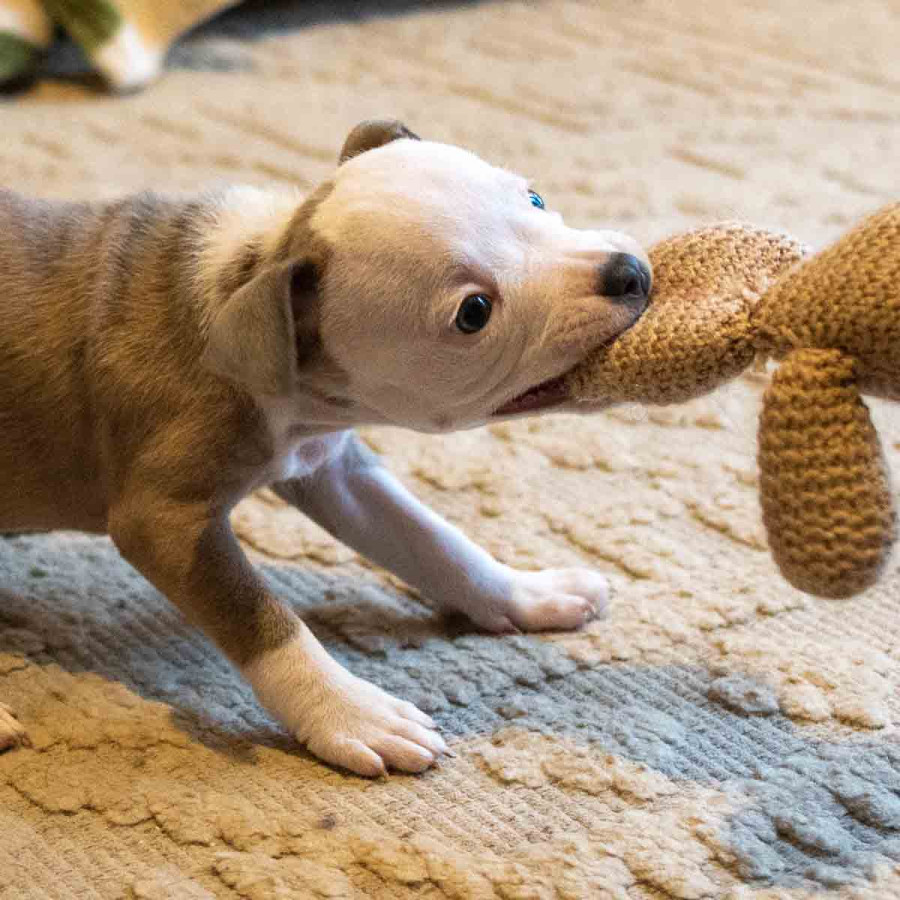
Puppies explore with their mouths, just like human babies. Biting is completely normal for puppies and isn’t a sign of aggression. Puppies simply don’t understand that we have sensitive skin that isn’t suitable for tiny teeth to chew on! In the litter, puppies play by biting their brothers and sisters, so they're trying to do the same with you. When overtired or frustrated, biting usually becomes more consistent.
Teething is another key reason for biting. From around 12 weeks your puppy’s adult teeth begin to push through, making their gums sore, and biting help to ease the discomfort.
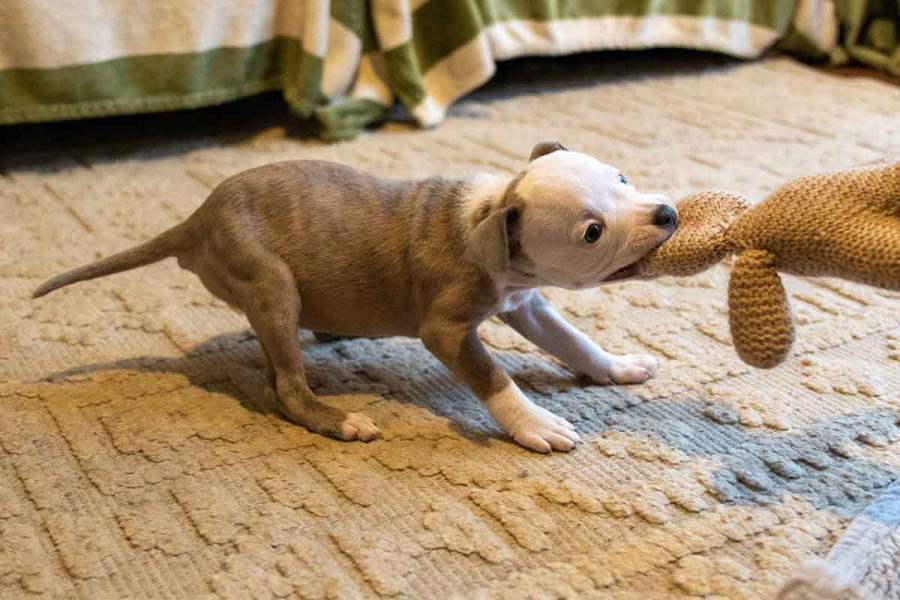
It’s important to have plenty of chew toys and soft toys for your pup to sink their teeth into, especially large ones (toys and chews about the same size as the puppy are ideal!) that are easy for you to grab and redirect your puppy towards.
For more advice, our step-by-step guide on stopping puppy biting gives you helpful tips on how to handle and care for a biting puppy.
Why do puppies eat poop?
Eating poop is natural puppy behaviour. Mother dogs eat their puppies' poop to keep the nest clean, and puppies copy this behaviour. It's instinct, not a dietary problem.
Curious young puppies explore everything with their mouths, including poop. Most grow out of this habit by around nine months. Until then, it might also happen when they’re bored, hungry, or seeking attention.
The best solution is prevention. Supervise your puppies’ outdoor time and pick up poop straight away. When your puppy finishes toileting, call them back with a treat and praise them when they come to you, then quietly clean up their poop. For more help with toilet training your puppy, follow our guide and be sure to worm them regularly.
Other common puppy behaviours
Why do puppies sleep so much?
Puppies need around 18 to 20 hours of sleep per day. So, if your puppy seems sleepy most of the time, be assured that that's normal. Puppies grow and learn during their sleep, so they understandably need a lot of it.
Why punishment doesn't work
Inappropriate punishment includes shouting, smacking, grabbing your puppy's muzzle, scruffing them, pinning them down, or sticking their nose in accidents. These methods are cruel and don't teach puppies what you want them to do. Instead, they create fear and confusion.
Punishment can actually serve to escalate behavioural issues. A puppy who's shouted at for biting might become more anxious, leading to more biting. A puppy punished for toileting indoors might hide away to toilet or eat their poop to hide the evidence. Fear-based methods damage the trust between you and your puppy, so it’s important to avoid them.
Kind approaches work better. When your puppy does something wrong, calmly redirect them to the right behaviour and reward that instead. This teaches them what you want without creating fear.
When to seek support
Most puppy behaviours improve with time and consistent, positive handling. However, seeking professional advice is recommended for certain behaviours and problems.
Contact a dog behaviourist if:
Contact your vet if:
Your puppy is learning every day. How you respond shapes who they become. Stay patient, stay positive, and remember – getting through puppyhood takes time, but it's worth it.
If you need help with your puppy’s behaviour you can ring our Pet Helpline for free, expert medical and behavioural advice.
You can also visit the Association of Pet Behaviour Counsellors (APBC) website to find accredited dog behaviourists.
Every puppy develops at their own pace. Smaller breeds often mature faster, while larger breeds can take up to two years to fully emotionally mature. Your puppy's breed and personality both influence how they learn and behave, but you have an important part to play too. Focus on building trust over time through positive experiences, rather than punishing them or attempting to rush their development.
Expose your puppy to different sights, sounds, and people in a calm, controlled environment. Keep these experiences short and enjoyable to help build their confidence during the crucial early months.
Provide plenty of appropriate things for your puppy to chew. Chews and toys with different textures and levels of firmness will help to keep your teething puppy satisfied. Keep large teething toys within reach so you can easily redirect biting onto something suitable.
Puppies need 18 to 20 hours of sleep daily. Create a quiet, comfortable space where they can rest undisturbed. Overtired puppies are more likely to bite and struggle to learn.
Raj asks
Why do dogs lick you?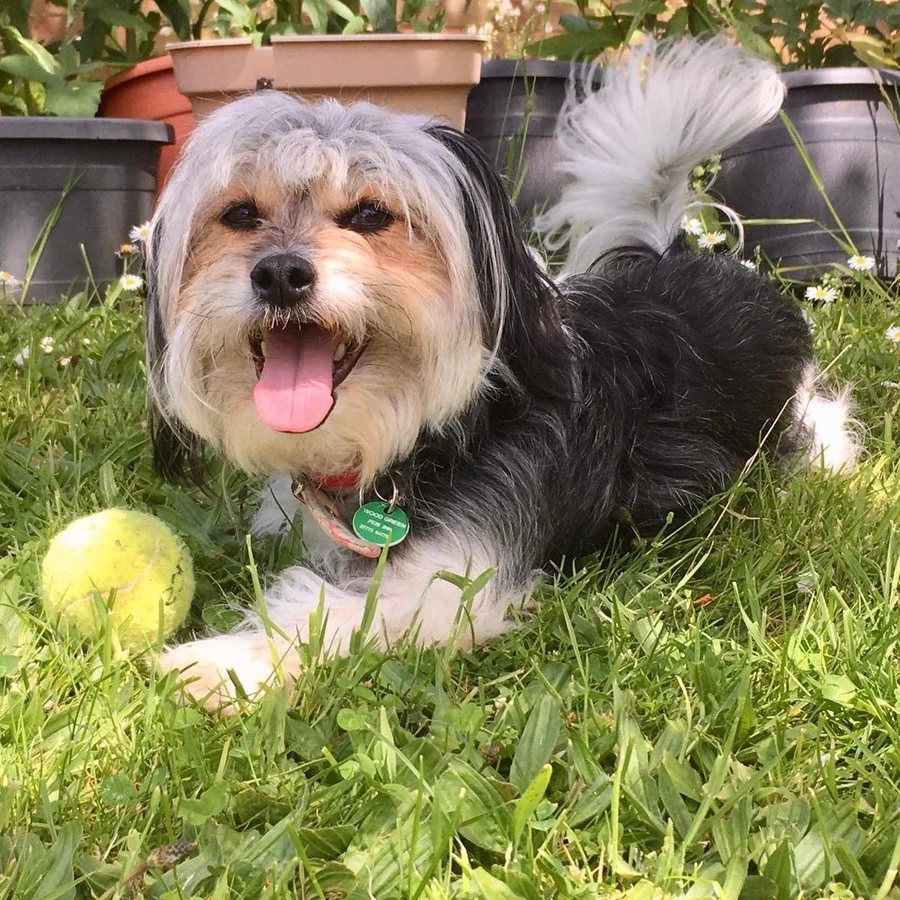
Hannah asks
My dog is guarding their toys, what should I do?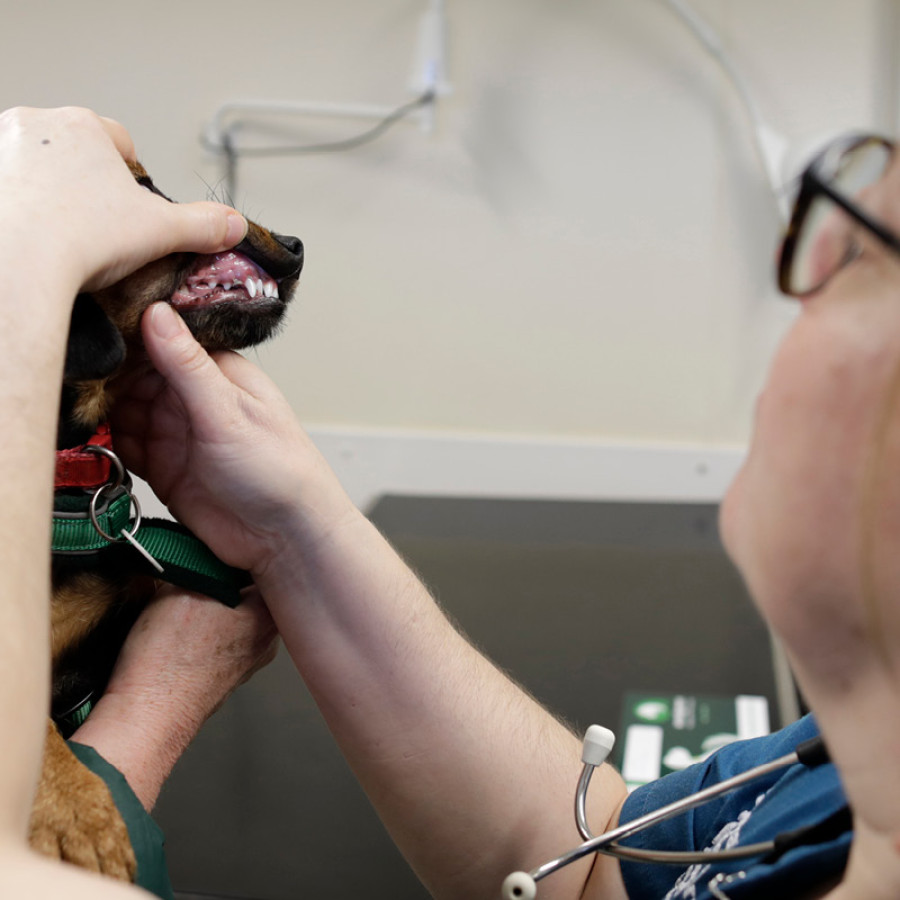
Thomas asks
How to look after your dog's teethI was struggling with my dog's anxiety, especially when we had to leave the house. Thanks to Woodgreen's advice, I've made some changes that have worked wonders. By sticking to a consistent routine, my dog knows what to expect each day, which has significantly reduced her anxiety.
This advice really helped me and my new pup! I tried teaching recall without your guidance and struggled. Woodgreen's step-by-step dog training videos break each action down for you and I'm happy to say we finally made progress!
Give us your feedback and we'll send you advice and tips on caring for your pets. We'd also love to send you updates about Woodgreen, including heart-warming pet stories and ways you can support us.
Please call our pet support line on 0300 303 9333 (7 days a week – 8.30am - 4pm)