An intestinal blockage, also called a gut blockage is when something partially or completely stops food, liquid or gas from passing through a dog's digestive tract. It happens when a swallowed object gets stuck, though it can also result from other conditions.
Vets see thousands of dogs a year that have swallowed something they shouldn't have, like bones, corn on the cob, socks, toys and balls. A blockage in the gut puts pressure on the intestinal wall. This can cut off the blood supply and lead to tissue damage. It should always be treated as a medical emergency.
Signs of an intestinal blockage in dogs
How is an intestinal blockage diagnosed and treated?
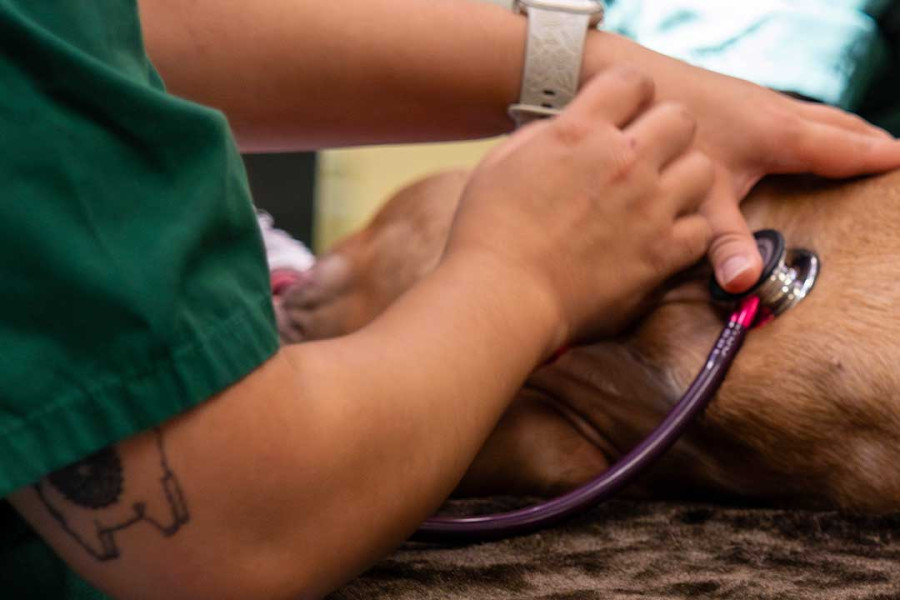
Your vet will examine your dog's abdomen and usually take X-rays or do an ultrasound to help locate the object. This will allow them to see how severe the blockage is. Blood tests may also be needed to check your dog's overall condition before any treatment. In most cases, a gut blockage needs surgery to remove the object safely, particularly once it's moved into the intestines. Delaying treatment increases the risk of serious complications, such as a ruptured intestine. It's not considered safe to wait and see whether a dog will pass the object naturally.
How to help prevent an intestinal blockage
When to contact your vet
If you see your dog swallow something they shouldn't have, call your vet for advice. Their advice will depend on the object and whether it's small enough to pass through. Others may need to come back up. If so, your vet may induce vomiting in a controlled way at the practice. This may help your dog avoid surgery.
Contact your vet as soon as possible if you notice any of the signs above, even if you didn't see your dog swallow anything. Don't try to make your dog vomit or give any medication at home without veterinary guidance - this can make some blockages worse.
The hidden dangers of string and ribbon ingestion
String, ribbon, and similar linear objects are especially risky. One end can anchor around the base of the tongue or in the stomach while the rest is pulled into the intestine. This can cause it to bunch up like a curtain on a wire. Eventually, this can saw through the gut wall - these items need extra care around dogs of any age.
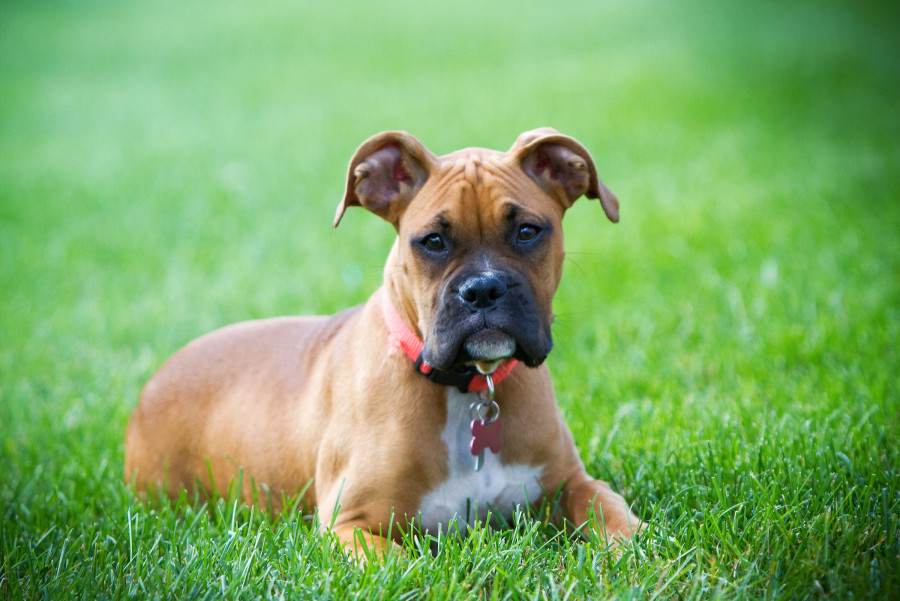
Check floors, bins and low surfaces for socks, string, small toys or anything else your dog could swallow, especially if you have a puppy.
Keep your vet's contact details, including their out-of-hours emergency line, somewhere quick to find in case you need them.
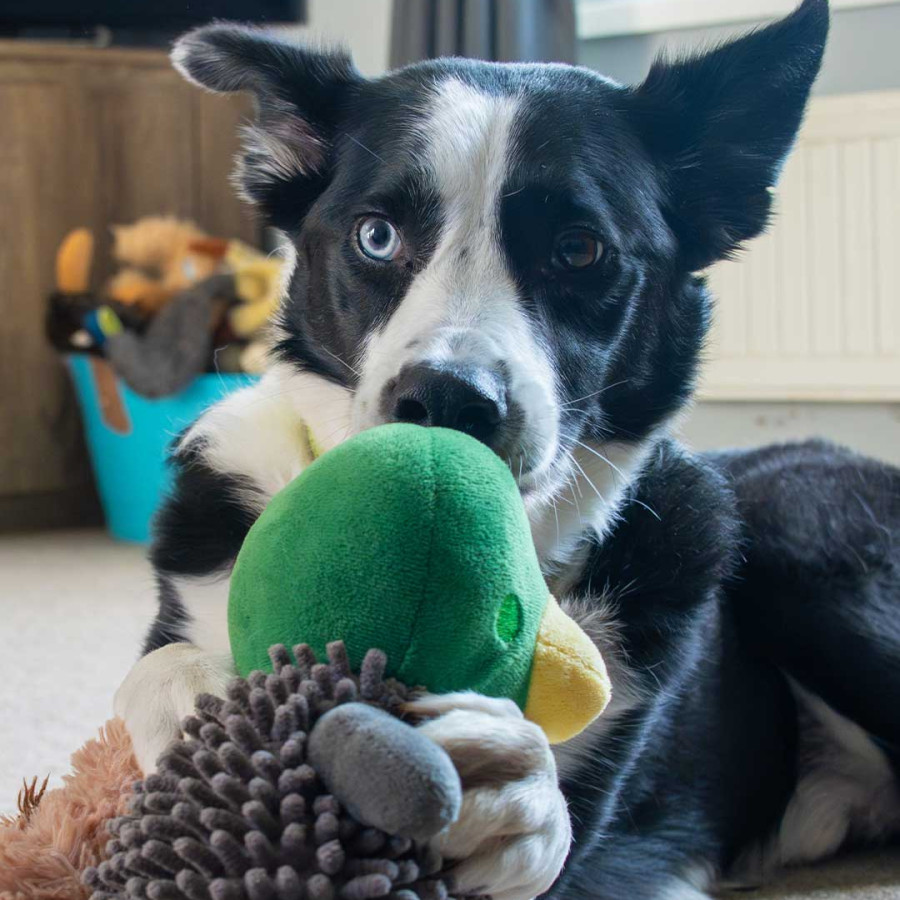
Look over your dog's toys and chews for damage or loose pieces, and replace anything that's starting to break apart.
I was struggling with my dog's anxiety, especially when we had to leave the house. Thanks to Woodgreen's advice, I've made some changes that have worked wonders. By sticking to a consistent routine, my dog knows what to expect each day, which has significantly reduced her anxiety.
This advice really helped me and my new pup! I tried teaching recall without your guidance and struggled. Woodgreen's step-by-step dog training videos break each action down for you and I'm happy to say we finally made progress!
Give us your feedback and we'll send you advice and tips on caring for your pets. We'd also love to send you updates about Woodgreen, including heart-warming pet stories and ways you can support us.
Please call our pet support line on 0300 303 9333 (7 days a week – 8.30am - 4pm)