Cushing's Disease in Dogs: Symptoms and treatment
Cushing's disease is a hormonal condition caused by too much cortisol circulating in a dog's body. Cortisol is a hormone that the adrenal glands normally produce in carefully controlled amounts. It plays a part in managing stress, metabolism and immune function. In a dog with Cushing's disease, this control breaks down and cortisol levels stay high, which leads to a range of physical changes over time.
Signs and symptoms of Cushing's disease in dogs
Not every dog with Cushing's disease shows all these signs, and symptoms tend to develop gradually, so they can be easy to miss at first.
What causes Cushing's disease in dogs?
Cushing's disease usually develops in one of three ways. Most cases happen when a small, usually non-cancerous tumour forms on the pituitary gland at the base of the brain. This tumour causes the gland to send too many signals to the adrenal glands, telling them to produce more cortisol than the body needs.
A smaller number of cases are caused by a tumour on one of the adrenal glands themselves.
Cushing's disease can also develop after long-term use of steroid medication, known as iatrogenic Cushing's disease. This usually improves once the steroid dose is reduced under veterinary advice.
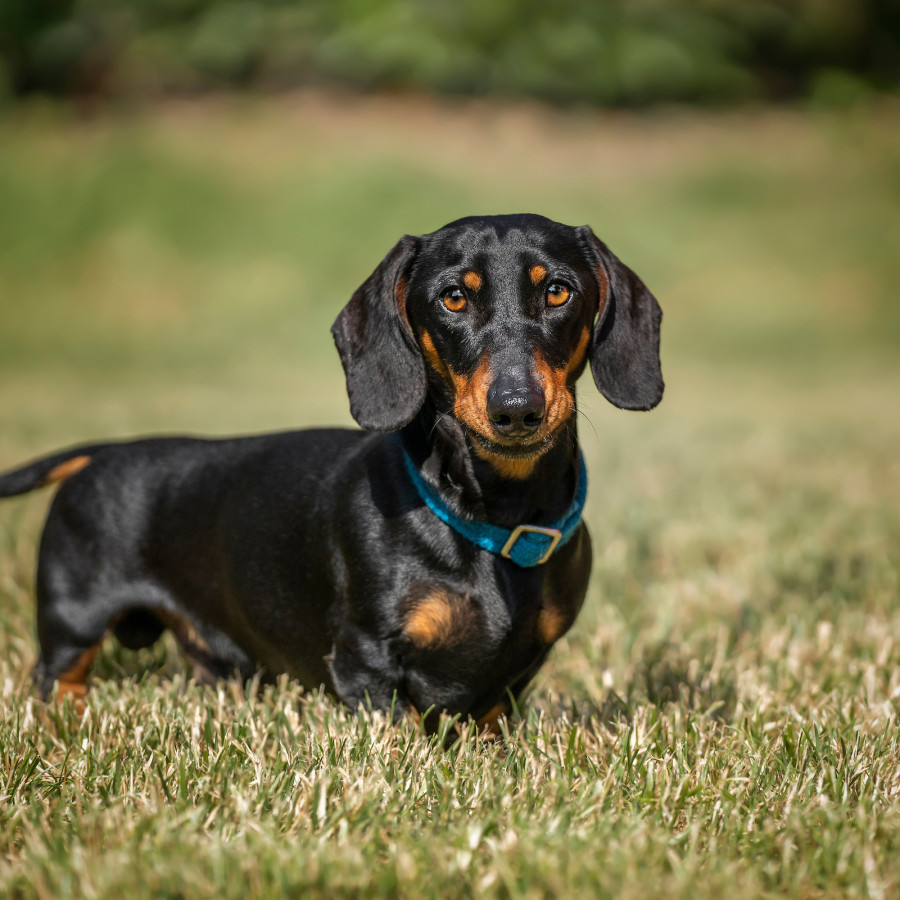
The condition tends to affect middle-aged and older dogs, and some breeds, including Poodles, Dachshunds and Yorkshire Terriers, seem to be more prone to it.
How is Cushing's disease diagnosed?
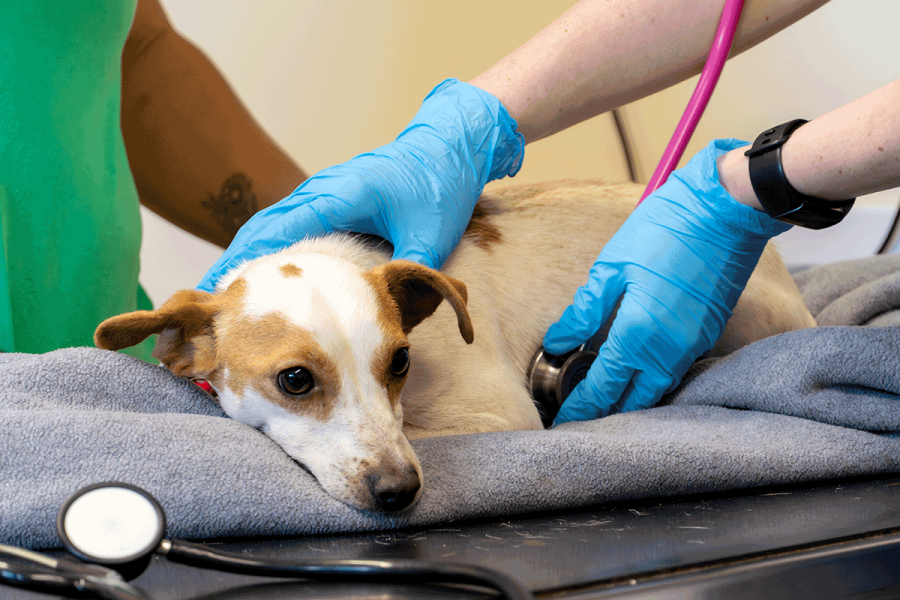
There isn't a single simple test for Cushing's disease. Your vet will usually start with a physical examination along with blood and urine tests. This is followed by more specific hormone tests, such as an ACTH stimulation test or a low-dose dexamethasone suppression test, to confirm the diagnosis. An ultrasound scan may also help show whether a tumour is on the pituitary or adrenal gland. This may be recommended to rule out a larger tumour in some cases.
How is Cushing's disease treated?
Although Cushing's disease can't be cured, it can be managed well with treatment. The common approach is daily medication, such as trilostane. This reduces the amount of cortisol the adrenal glands produce. Your dog will need regular blood tests in the weeks after starting treatment, and periodically afterwards. This is so your vet can adjust the dose to a safe and effective level. This treatment can be used whether it is the pituitary gland or adrenal gland.
If an adrenal tumour is causing the condition, surgery may be an option. This is a difficult and expensive option though, so many people select medication.
Living with Cushing's disease
With the right treatment, many dogs start to feel brighter within a few weeks. Some symptoms, such as hair regrowth, can take a few months to improve, however. Dogs with well-managed Cushing's disease often go on to live happily for years. Left untreated, dogs are more at risk to infections and become increasingly tired over time. It's so important to speak to your vet as soon as you notice any of the signs above. Treatment is for life and therefore, a significant ongoing cost. It's worth discussing your finances and options openly with your vet team.
Cushing's disease is thought to affect around 2 to 3 in every 1,000 dogs seen by UK vets each year. It's slightly more common in female dogs, and around 4 in 5 cases are linked to a pituitary tumour rather than one on the adrenal gland.
Keep a simple diary of your dog's thirst, appetite and toilet habits for a week. This makes it much easier to describe any changes accurately when you speak to your vet.
If you've noticed any signs of Cushing's disease, book a vet appointment soon. Early diagnosis makes it easier to start treatment and protect your dog's quality of life.
Ask your vet about the likely costs of tests and lifelong medication upfront. This helps you plan ahead and make decisions that are right for you and your dog.
I was struggling with my dog's anxiety, especially when we had to leave the house. Thanks to Woodgreen's advice, I've made some changes that have worked wonders. By sticking to a consistent routine, my dog knows what to expect each day, which has significantly reduced her anxiety.
This advice really helped me and my new pup! I tried teaching recall without your guidance and struggled. Woodgreen's step-by-step dog training videos break each action down for you and I'm happy to say we finally made progress!
Give us your feedback and we'll send you advice and tips on caring for your pets. We'd also love to send you updates about Woodgreen, including heart-warming pet stories and ways you can support us.
Please call our pet support line on 0300 303 9333 (7 days a week – 8.30am - 4pm)