Sadie asks
How do I know if my dog has fleas?Possible causes of histiocytoma
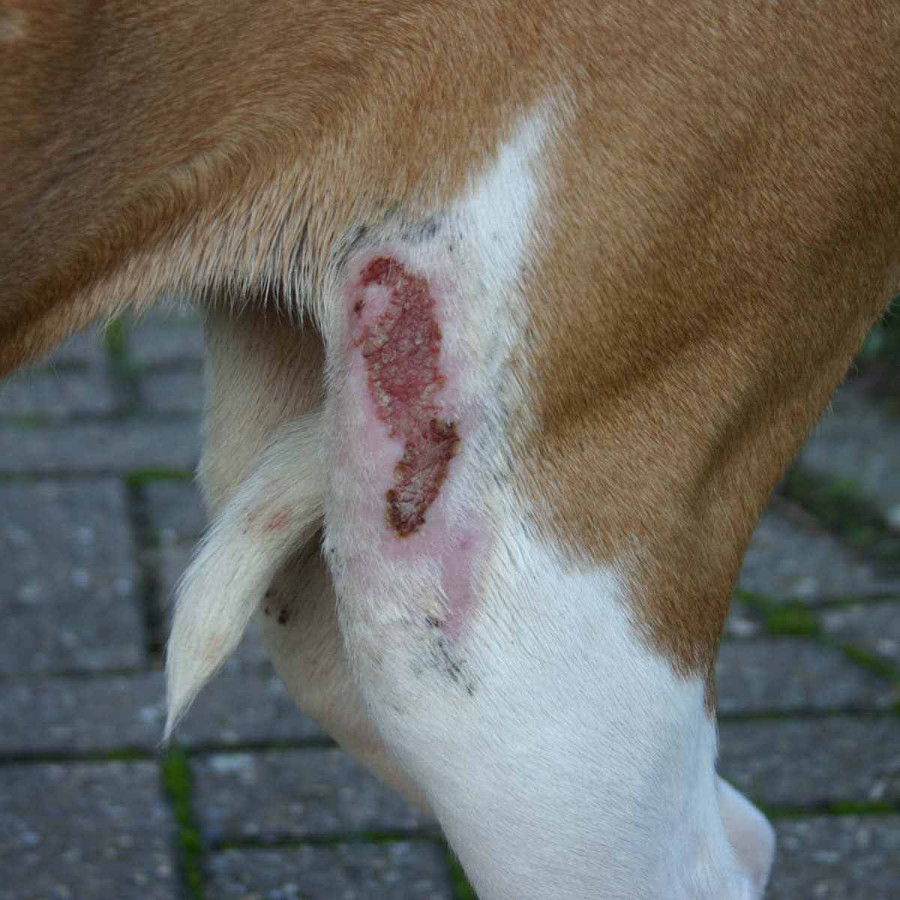
Histiocytomas, like many tumours/growths, can develop quickly. They also have few direct causes.
Here are some things to consider if you’re concerned your dog may have developed one:
Treating histiocytoma
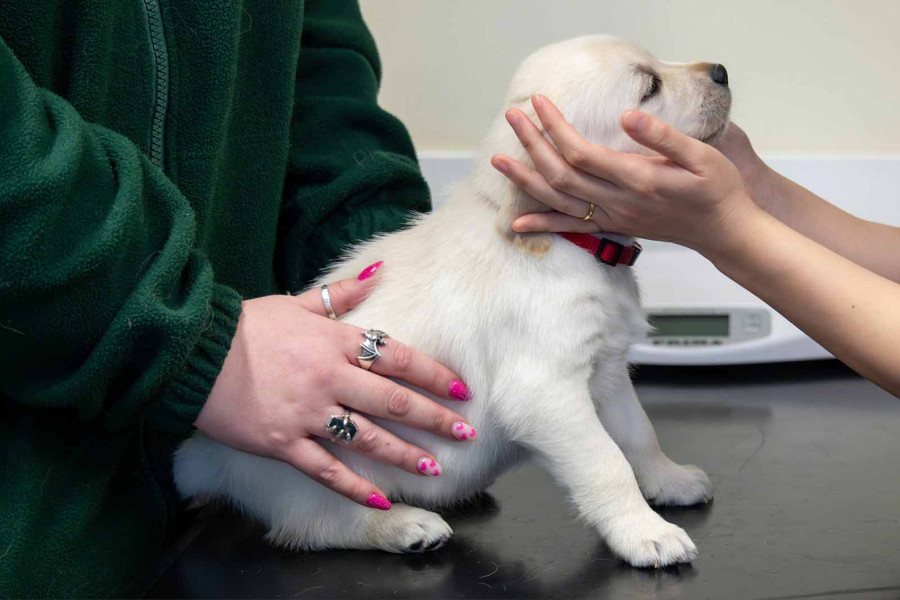
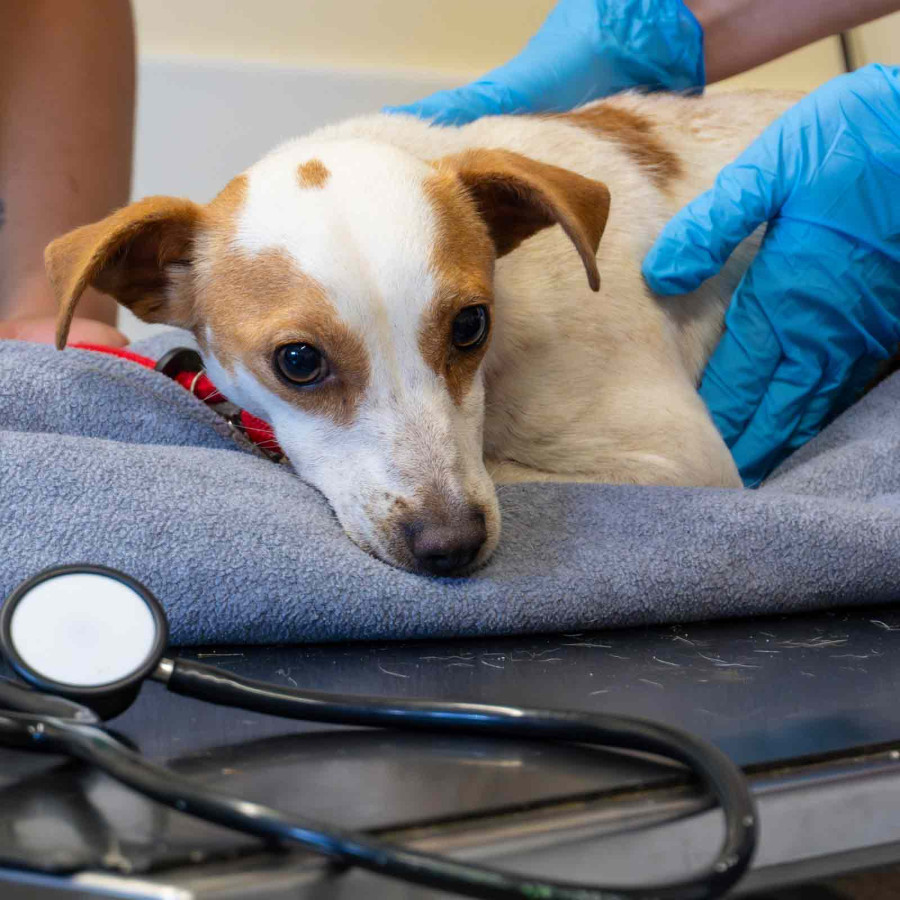
All lumps and bumps should be examined by your vet. This ensures a full health check and diagnosis, which will shape your dog’s treatment plan.
Your vet will likely start with asking you to look out for behaviours in your dog such as licking or scratching at the growth area, which can cause inflammation or infection. A diagnosis will be made by sending a section of the growth (or entire growth if removed) to a laboratory.
Afterwards, your dog may need to wear a buster collar to help to prevent interference with the area. This helps the healing process, prevents more issues developing, and keeps the area clean and dry.
If the growth is not removed, it can be useful to take photos for comparison and monitor for any changes in size or appearance. Check your dog regularly and make a note of any new growths on their body.
Check your dog regularly and make a note of any new growths on their body.
Regularly checking your dog’s overall health can help you spot new lumps or changes in existing ones early, including things like histiocytomas. To help you confidently monitor your dog’s ears, eyes, skin, body condition and more at home, take a look at our step‑by‑step guide on how to health check your dog
Pay attention to their skin, lumps, and overall body condition so you can spot any changes early.
Note down or draw a sketch of your dog's body with where any lumps or bumps are located.
Take photographs of any possible lumps and bumps so you can monitor any changes in size, colour or appearance.
I was struggling with my dog's anxiety, especially when we had to leave the house. Thanks to Woodgreen's advice, I've made some changes that have worked wonders. By sticking to a consistent routine, my dog knows what to expect each day, which has significantly reduced her anxiety.
This advice really helped me and my new pup! I tried teaching recall without your guidance and struggled. Woodgreen's step-by-step dog training videos break each action down for you and I'm happy to say we finally made progress!
Give us your feedback and we'll send you advice and tips on caring for your pets. We'd also love to send you updates about Woodgreen, including heart-warming pet stories and ways you can support us.
Please call our pet support line on 0300 303 9333 (7 days a week – 8.30am - 4pm)