Sadie asks
How do I know if my dog has fleas?What is Lyme disease?
Lyme disease is aninfection caused by bacteria called Borrelia. It's spread to dogs through tick bites and can affect different parts of the body including joints, kidneys, and the heart. You might also see it called Borreliosis or canine Borreliosis.
How does a dog get Lyme disease?
Your dog can pick up a tick when brushing past tall grasses. If a tick carrying Borrelia bacteria attaches to your dog's skin, it needs to feed for several hours for the disease to be passed on.
Ticks are most active from early spring to late autumn. They're found in woodland, moorland, grazing pasture and heathland, as well as gardens and beaches.
The good news is that removing a tick quickly can stop Borrelia bacteria from being passed to your dog.
Is Lyme disease contagious?
No, Lyme disease cannot spread directly from dog to dog or from dogs to people. Dogs and humans can only catch it from infected tick bites.
Signs and symptoms of Lyme disease in dogs
Even if your dog has Lyme disease, you may not notice anything wrong. When symptoms do appear, it might be two to six months after they’ve been bitten. Here's what to watch for:
Unlike humans, dogs don't get the characteristic 'bulls-eye' rash as a symptom of Lyme disease.
A less common but serious complication of this disease causes kidney damage, known as Lyme nephritis. Signs include increased thirst, urinating more often, vomitting, weight loss and extreme tiredness.
If you notice any of these symptoms, contact your vet straight away. The earlier treatment starts, the better the outcome.
How vets diagnose Lyme disease
Your vet will consider your dog's symptoms, their history of tick exposure, and possibly run a blood test.
Your vet might also test your dog’s urine to check kidney function, take fluid from swollen joints, or run X-rays.
Treatment of Lyme disease in dogs
Lyme disease is treated with antibiotics, most commonly doxycycline, for at least 30 days. Most dogs start feeling better within one to two days of starting treatment.
With early diagnosis and treatment, most cases can be cured. However, some dogs might need longer treatment, especially if the infection has affected their kidneys. Dogs with kidney complications need extra support including additional medication and regular check-ups.
Preventing Lyme disease in dogs
Prevention is always preferable to treatment. Here's how you can protect your dog:
Use tick prevention products
Speak to your vet about the best tick prevention for your dog. Options include spot-on treatments, tablets, and tick collars. These work in different ways – some kill ticks when they bite, while others repel them.
Check your dog for ticks after every walk
Get into the habit of running your hands over your dog when you come home. Ticks are most common on the head, ears, armpits and belly. They can be as small as a poppy seed, so look carefully.
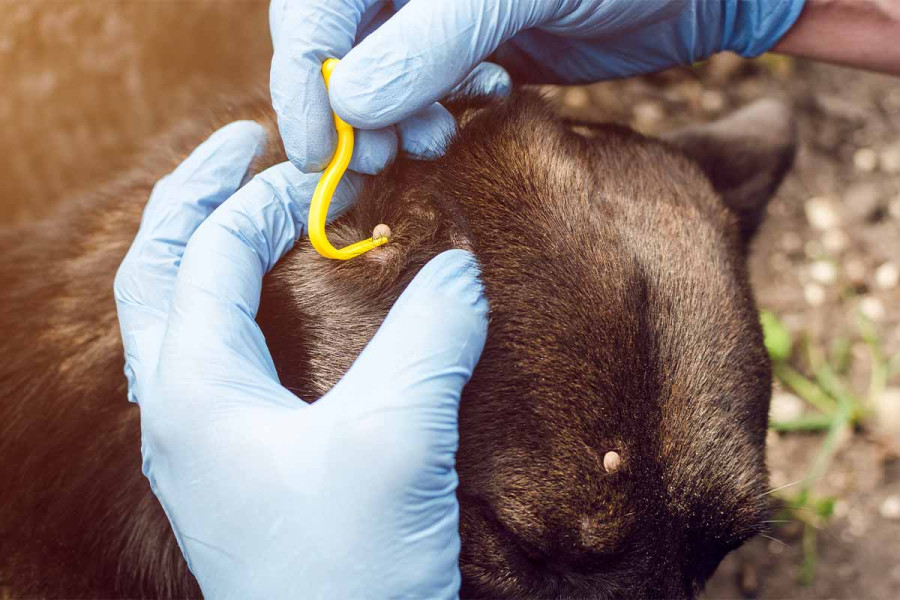
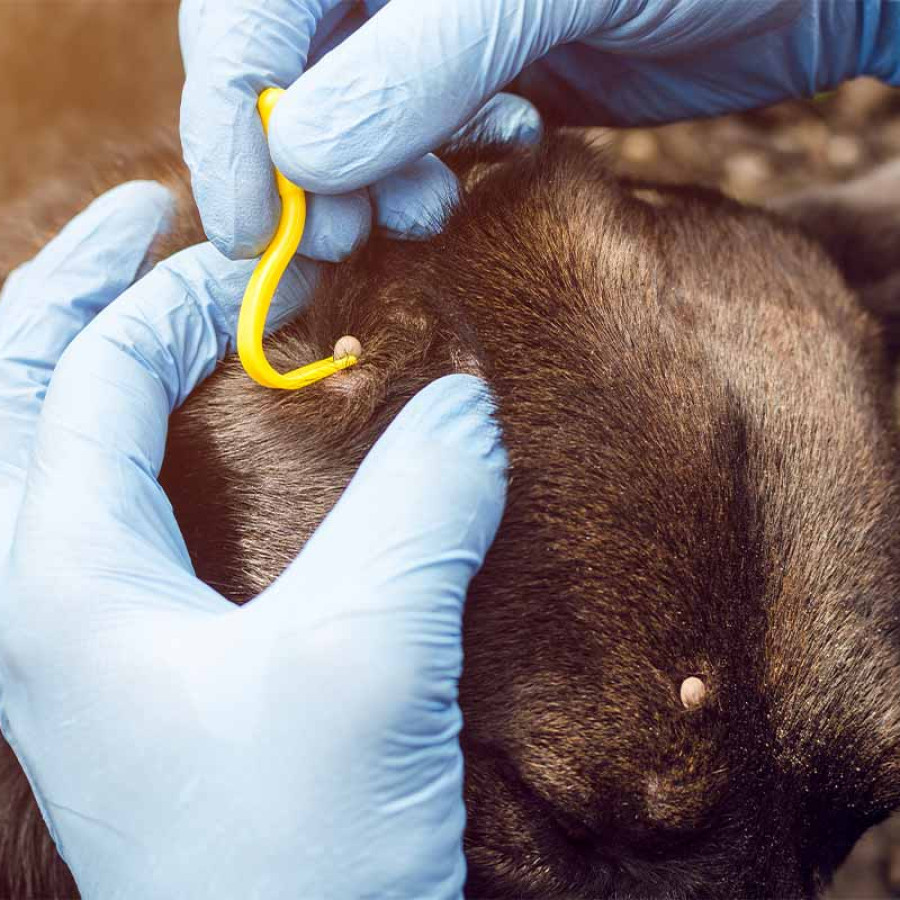
If you find a tick, remove it as soon as possible. The disease doesn't appear to be transmitted until the tick has fed for around 12 to 24 hours, so early intervention is important. Wear gloves, and use a proper tick removal tool (not tweezers or other makeshift alternatives) and twist it gently in one direction without squeezing the tick’s body. Never pull, burn, or use petroleum jelly to remove a tick, as this can make it more likely to pass on a disease. Once removed, bin the tick’s body in a sealed bag.
Avoid high-risk areas when possible
During peak tick season (spring and autumn), try to stick to clear paths and avoid walking your dog through areas with long grass or undergrowth.
Consider vaccination
A vaccine against Lyme disease is available in the UK. A primary course of two injections is required, followed by annual boosters. The vaccine isn't right for every dog,so your vet will consider whether your dog needs it based on where you live and walk, how often your dog is likely to be exposed to ticks, and your dog's overall health.
Ticks can carry other diseases besides Lyme disease, including Babesia and Anaplasma infections. Using regular tick prevention helps protect your dog from all of these conditions.
Make sure your dog is protected with a vet-recommended tick treatment. Mark the calendar for when the next dose is due so you don't miss it.
Ask your vet to show you the proper technique or watch a demonstration online. Keep a tick removal tool in your dog walking bag so you're always prepared.
Get into the routine of checking your dog over when you get home. Run your hands through their fur, paying special attention to their ears, neck, belly and between their toes. The sooner you spot and remove a tick, the safer your dog will be.
I was struggling with my dog's anxiety, especially when we had to leave the house. Thanks to Woodgreen's advice, I've made some changes that have worked wonders. By sticking to a consistent routine, my dog knows what to expect each day, which has significantly reduced her anxiety.
This advice really helped me and my new pup! I tried teaching recall without your guidance and struggled. Woodgreen's step-by-step dog training videos break each action down for you and I'm happy to say we finally made progress!
Give us your feedback and we'll send you advice and tips on caring for your pets. We'd also love to send you updates about Woodgreen, including heart-warming pet stories and ways you can support us.
Please call our pet support line on 0300 303 9333 (7 days a week – 8.30am - 4pm)