Alison asks
Dog constipation: What to do if my dog can't pooDiarrhoea in dogs can be caused by a variety of things, but most cases are related to food. Common triggers include a sudden change of diet, too many rich treats, eating something unsuitable on a walk, or a food allergy/sensitivity.
It can also be caused by infections, including internal parasites (worms), viruses such as Parvovirus, and bacterial infections.
To help reduce the risk of diarrhoea, keep your dog’s diet consistent, limit rich treats and keep an eye on anything they may scavenge on walks (like fox poo, rubbish etc). Regular worming treatment can also reduce the risk of parasitic infections.
If your dog has diarrhoea but is otherwise well, feeding a bland diet in small, frequent meals may help settle their stomach. Over-the-counter probiotics may also shorten the duration in some cases.
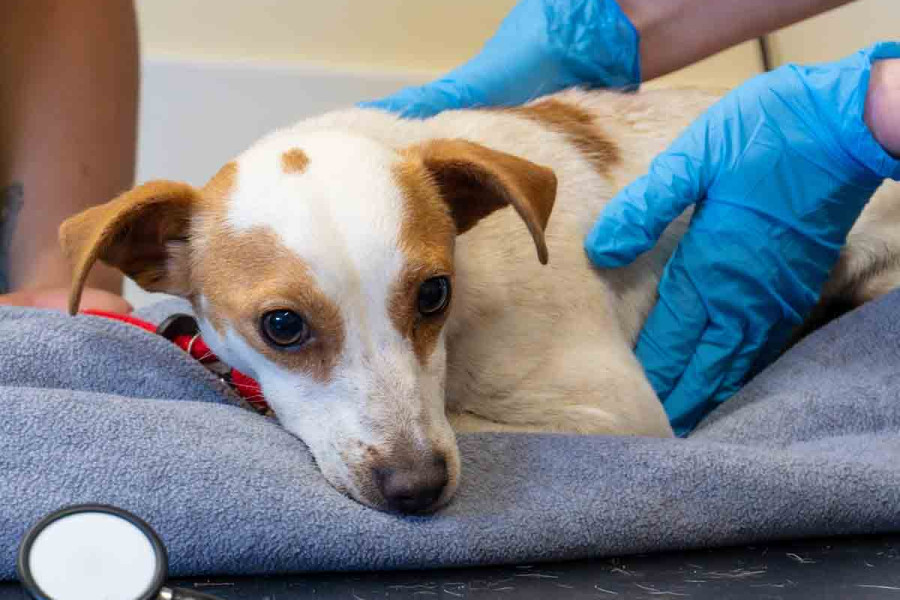
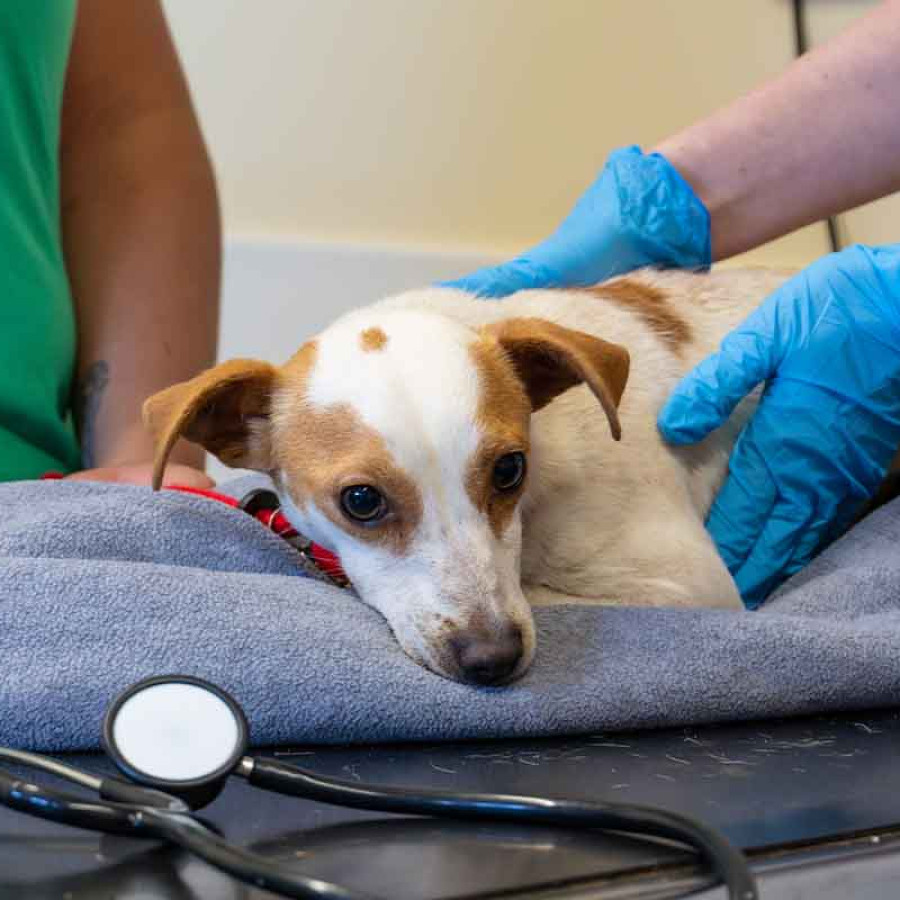
If your dog is off their food, vomiting, lethargic, or the diarrhoea lasts for 3 days or more, they should be seen by a vet. Dogs with severe diarrhoea (very watery or contains blood) should see a vet as soon as possible, as dehydration can be very serious.
One of the most serious cause of symptoms is Parvovirus (parvo.) This highly contagious and deadly virus spreads through infected faeces and can survive for months in the environment. Symptoms include diarrhoea, vomiting, lethargy, and fever, and affected dogs can become very unwell quickly.
Early veterinary treatment gives them the best chance of survival. Vaccinations provide effective protection against Parvovirus, it’s included in puppy vaccinations and annual boosters, so they should be kept up to date.
Most cases are caused by dietary upset or viruses, so antibiotics are not usually needed and are only used if a bacterial infection is confirmed or suspected.
A dog’s gut microbiome (the community of good bacteria that lives in the digestive system) is unique to each dog, almost like a microbial fingerprint. it’s influenced by factors such as genetics, diet, age and environment, and plays an important role in digestion, vitamin production, and supporting a healthy immune system.
Check that your dog is up to date with vaccinations and worming treatment. Keep in touch with your local vets to stay informed about any Parvo outbreaks.
If your dog has Diarrhoea frequently, speak to a vet or vet nurse about any dietary changes that may help.
Always pick up your dog’s poo and dispose of it correctly. If any friends or neighbours’ dog has diarrhoea, keep your four-legged friend away from them until they’re better.
I was struggling with my dog's anxiety, especially when we had to leave the house. Thanks to Woodgreen's advice, I've made some changes that have worked wonders. By sticking to a consistent routine, my dog knows what to expect each day, which has significantly reduced her anxiety.
This advice really helped me and my new pup! I tried teaching recall without your guidance and struggled. Woodgreen's step-by-step dog training videos break each action down for you and I'm happy to say we finally made progress!
Give us your feedback and we'll send you advice and tips on caring for your pets. We'd also love to send you updates about Woodgreen, including heart-warming pet stories and ways you can support us.
Please call our pet support line on 0300 303 9333 (7 days a week – 8.30am - 4pm)