Darren asks
Should I get a dog?If you’re looking for your first dog, it’s completely normal to search online for things like ‘best dogs for first-time owners’. You want to get it right. But honestly? There isn’t one perfect breed for everyone. The right dog depends on your lifestyle, energy levels, home set-up and dynamics, and what you actually want day to day.
Most behaviour problems don’t start with ‘bad training’ or ‘bad owners’. They start with a mismatch like a very active dog in a quiet, low-energy home, or a sensitive dog in a loud, busy household.
By finding a dog who fits your real life, you maximise the joy you can bring to each other for the next 10-15 years, so it's important not to judge a book by its cover (or a dog by their cuteness!) and consider the whole ‘package’.
Start with your lifestyle
Before you fall in love with a look, ask yourself some practical questions:
Be honest rather than aspirational. If you don't currently go on long walks every day, it's unlikely that getting a dog will suddenly build that habit for you. But if you genuinely enjoy weekends spent outdoors and lunchtime walks each day, then a higher-energy dog could be a brilliant fit.
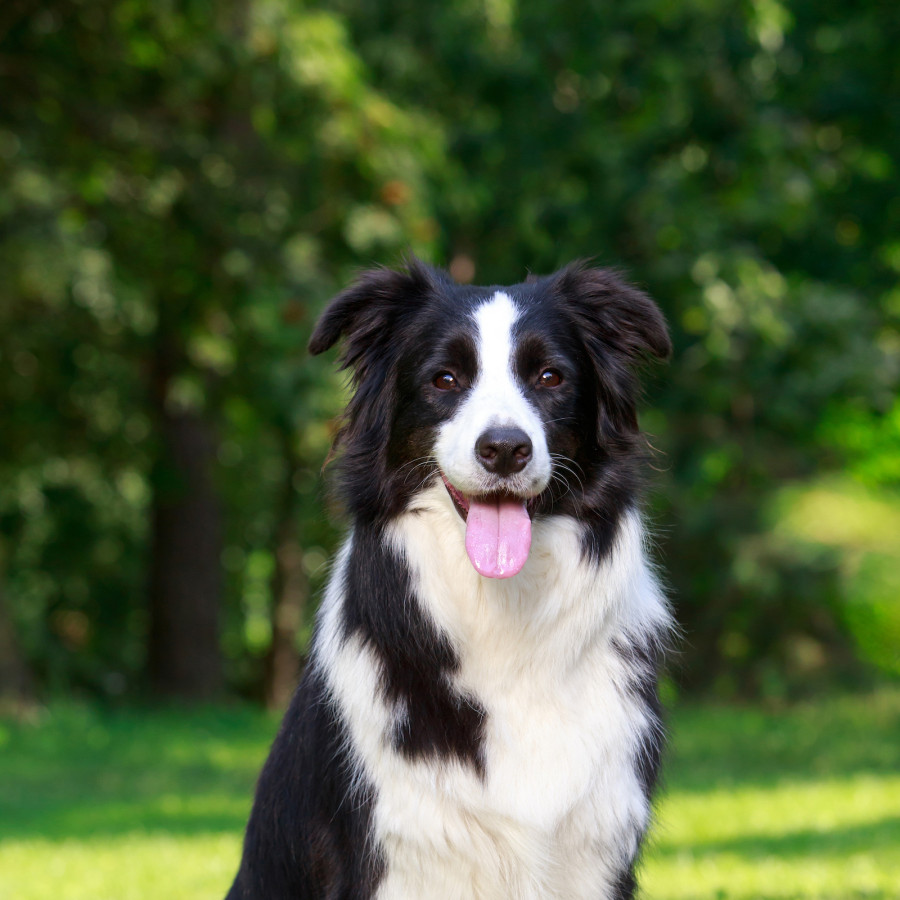
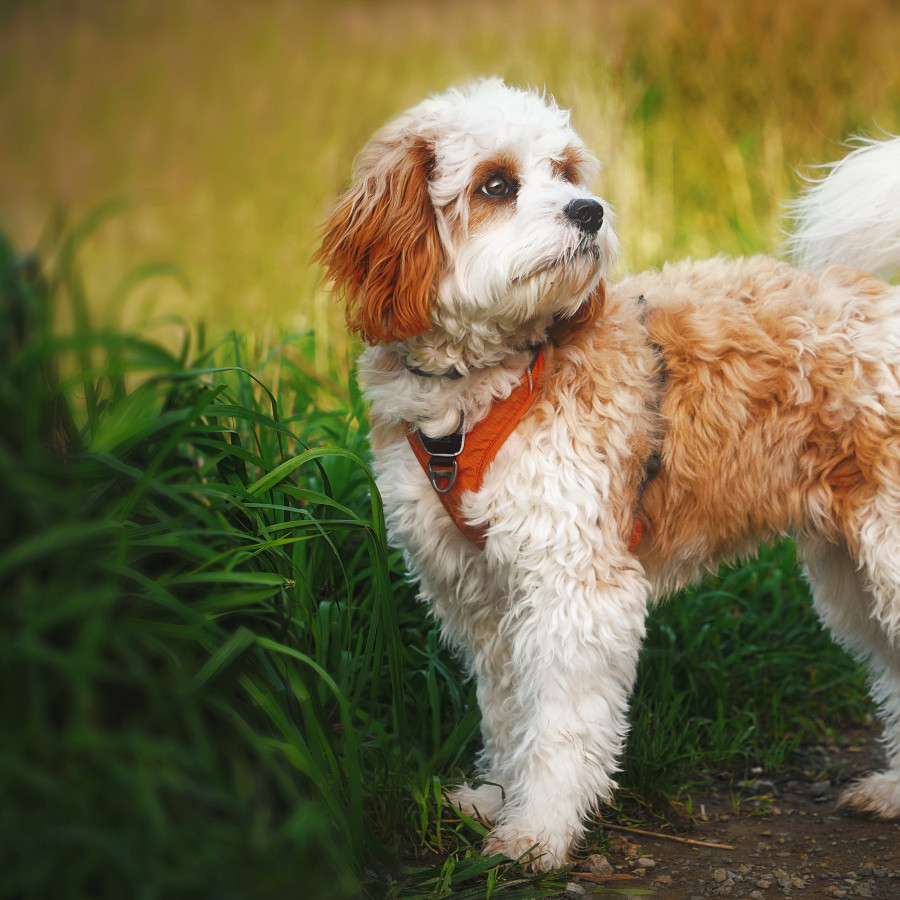
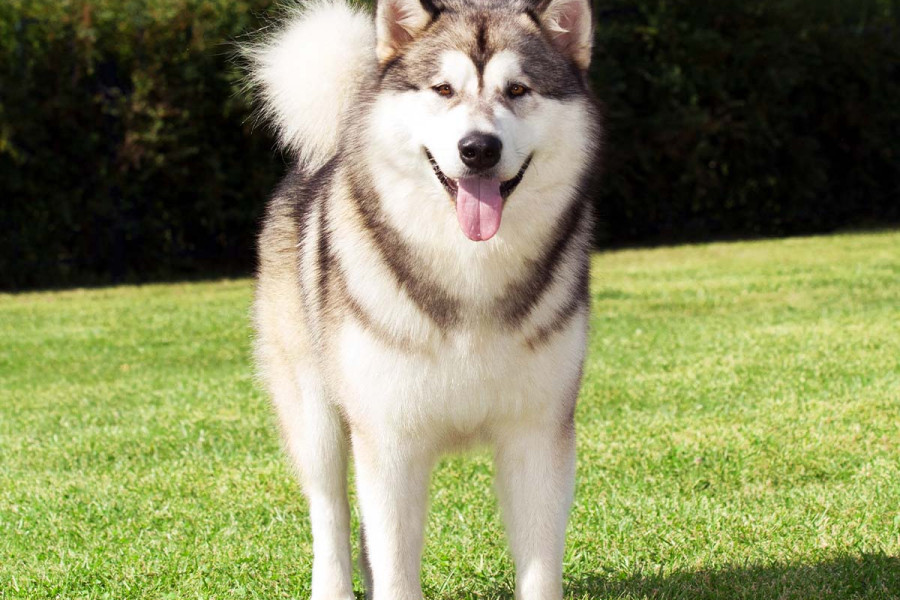
Active breeds like Border Collies, Cockers and Cockapoos, and Huskies, often need significant mental and physical activity. But that doesn’t just mean long walks. It means training, problem-solving and structured outlets for their brains – these dogs love having a job to do! They can be incredibly rewarding to live with if you’re up for being their ‘teammate’.
Other breeds, like Cavalier King Charles Spaniels, Greyhounds and Lurchers, or Pomeranians, are often happier with moderate exercise and lots of calm time at home with their people. They can be a great match if you value companionship and steadier routines, although some may find long hours alone difficult.
Neither is better than the other. They’re just different, and the goal is finding the one that fits your real life.
Think beyond ‘low maintenance’
When people search for low maintenance dog breeds or dogs for first-time owners, they often mean 'a dog who fits easily into my routine'.
But maintenance isn't just about coat length or how much they weigh. It includes:
What a dog was bred to do shapes their instincts and drives. A Border Collie will likely want to herd, a Terrier to chase, a guarding breed to watch and bark. But history isn’t the whole story.
The temperament of parents and grandparents, and what physical features and personality traits a breeder is aiming for their puppies to have, also matters. With rescue dogs that can be harder to trace, but those inherited traits are still there.
Think about what you’re genuinely happy to put time into. Are you okay with regular grooming? Do you enjoy long daily walks and training sessions? Or would you rather have a steadier companion who fits around quiet routines?
If you choose a dog whose natural instincts don’t match your life – like a guarding breed in a busy home you want to take to the pub most weekends – you’ll need to invest serious time and careful training to help them feel at ease.
Be realistic about puppyhood
If this is your first-time dog, it’s important to know that puppies are hard work. There's even a term for the overwhelm and shock to the system that a puppy can bring – the ‘puppy blues’. So, if you feel you’ve made a horrible mistake, taking a breath (and ideally a nap!) is the first step.
Even breeds recommended for first-time owners will bite, chew furniture and expensive tech, toilet inside at first, wake you up at night, cry when left alone, and get distracted on walks. But that's all normal development – not a reflection of you.
Some people assume choosing a certain breed will avoid these challenges, but it won’t. Breed influences energy, sociability and working style, but it doesn’t remove the need for training and patience.
Rescue dogs and crossbreeds
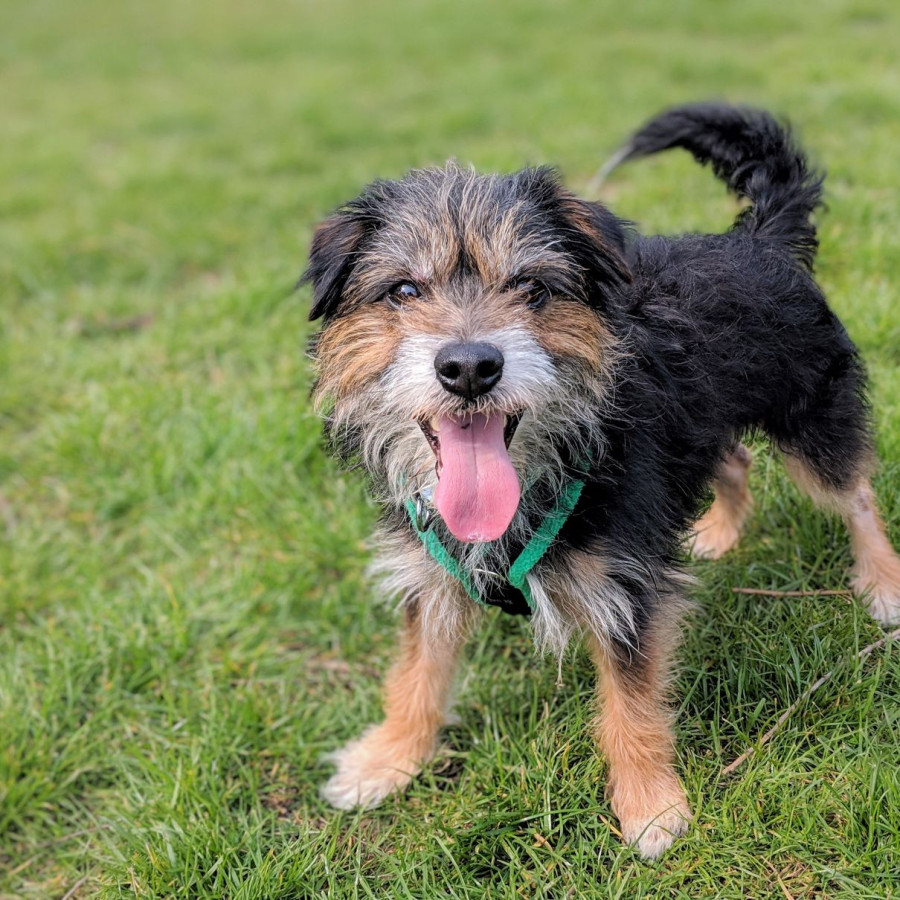
If you’re adopting, breed labels are only part of the picture. Many rescue dogs are crossbreeds, and their personality matters more than their guessed heritage.
Wherever you look for a dog, talk to the rehoming centre openly about your lifestyle. A good rescue centre will suggest matches based on a dog’s energy levels, lifestyle needs, and behaviour history, not just appearance.
If you’re buying from a breeder, choose carefully. Responsible breeders should talk you through the suitability and temperament of each puppy in a litter. They should suggest pups that have a personality that suits your home and lifestyle. For example, a nervous puppy that doesn’t interact or play with litter mates, may not be a good fit for a family with young, energetic children.
Common mismatches to avoid
Some patterns show up again and again:
None of these situations are impossible. But they require awareness, planning and realistic expectations.
It’s far kinder to choose a dog who fits your lifestyle now, rather than hoping things will settle down later. Try our pet explorer quiz to help you find a breed that matches your lifestyle.
How many hours a dog would realistically be alone, and how many hours to you have to dedicate to them.
And three things you would struggle to cope with. This will help you decide which breeds to consider and which ones to rule out.
Speak to a rehoming centre or reputable breeder and ask them which types of dogs genuinely fit your lifestyle. You might be surprised who fits yours!
I was struggling with my dog's anxiety, especially when we had to leave the house. Thanks to Woodgreen's advice, I've made some changes that have worked wonders. By sticking to a consistent routine, my dog knows what to expect each day, which has significantly reduced her anxiety.
This advice really helped me and my new pup! I tried teaching recall without your guidance and struggled. Woodgreen's step-by-step dog training videos break each action down for you and I'm happy to say we finally made progress!
Give us your feedback and we'll send you advice and tips on caring for your pets. We'd also love to send you updates about Woodgreen, including heart-warming pet stories and ways you can support us.
Please call our pet support line on 0300 303 9333 (7 days a week – 8.30am - 4pm)