Mange in Dogs: Symptoms, Causes and Treatment
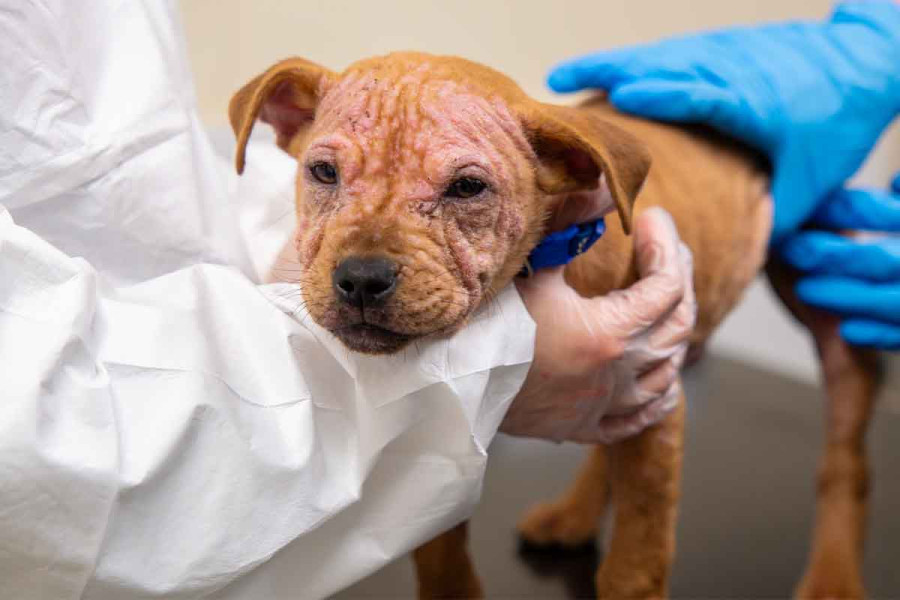
Mange is a skin condition caused by tiny mites on your dog’s skin. If your dog has been scratching more than usual, losing patches of hair, or has red and crusty skin, they might have mange. Other health conditions, like an allergic reaction, can have similar symptoms, so be sure to consult your vet for diagnosis and treatment. Mange affects many dogs but the good news is that it's treatable, especially when caught early. This guide explains what mange looks like, how dogs get it, and how your vet can help your dog to recover.
What is mange?
Mange is a skin condition caused by microscopic mites that live on or in your dog's skin. These mites can cause irritation, inflammation, and hair loss. There are two main types of mange in UK dogs: sarcoptic mange and demodectic mange. The type of mange depends on the species of mite.
What does mange look like on a dog?
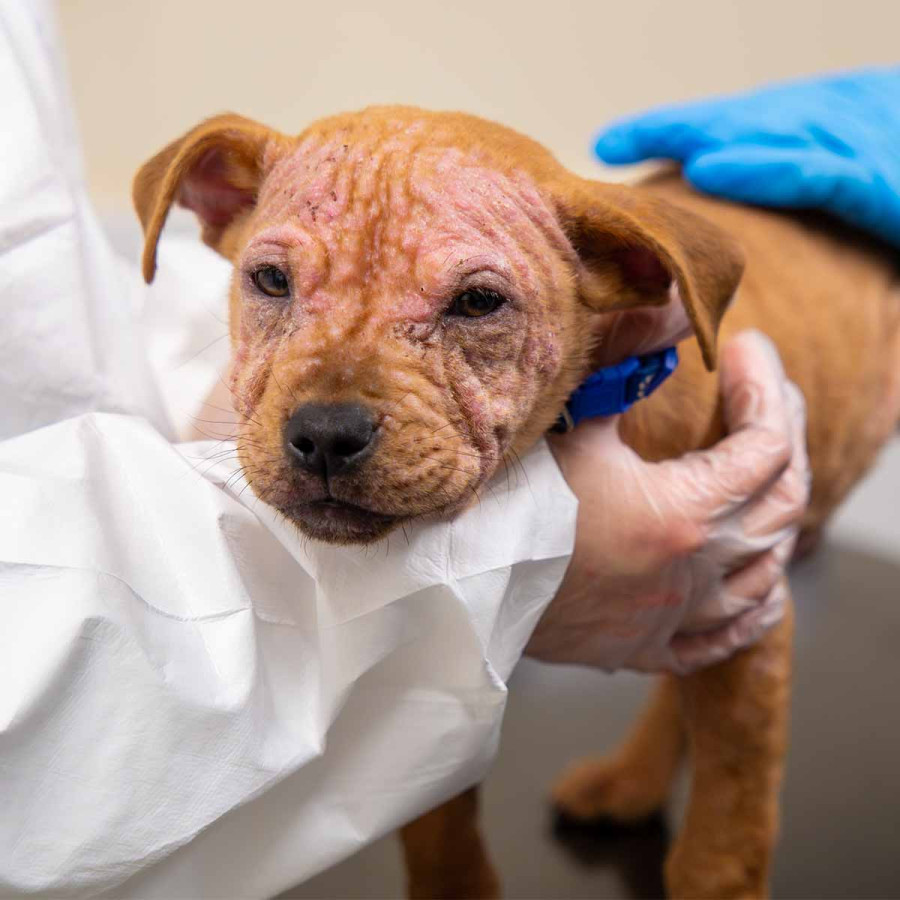
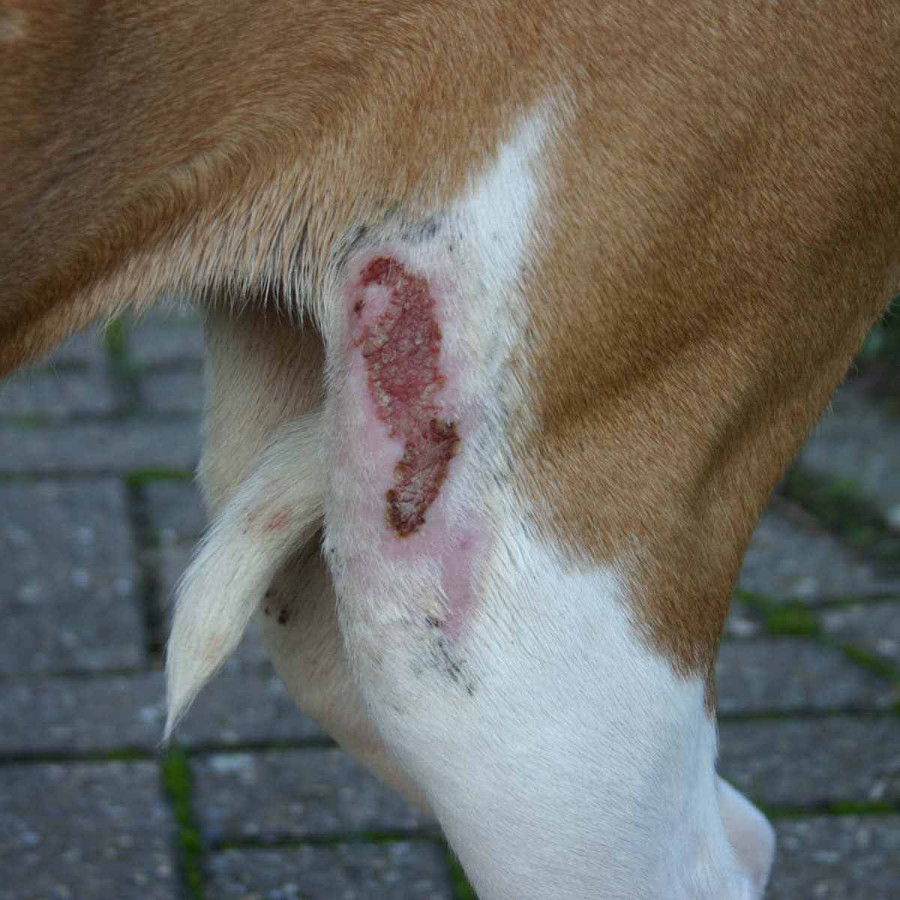
Mange affects your dog's skin and coat. Common signs include red and inflamed skin, thickened or wrinkly skin, crusty or scabby patches, hair loss, and intense scratching. When dogs scratch, bacteria can get into their skin and cause secondary infections. Other skin conditions can look similar to mange, so it's important to see your vet for a proper diagnosis.
What causes mange in dogs?
Sarcoptic mange spreads through direct contact with infected dogs or wildlife like foxes. It can also be picked up from places where infected animals have been.
Demodectic mange mites are often passed from mothers to their puppies during nursing. These mites live naturally on healthy dogs in small numbers, but only cause problems when the immune system is weakened, allowing the mites to multiply to a number that clinically affects the dog.
Sarcoptic mange (dog scabies)
Sarcoptic mange, also known as dog scabies, is caused by a mite called sarcoptes scabiei. This type of mange is highly contagious and can spread to other pets and humans. If you notice any issues with your skin after being in contact with sarcoptic mange you should consult your GP. Sarcoptic mites burrow into dog’s skin, causing intense itching. You'll often see signs around the ears, muzzle, and feet first, though in severe cases it can spread all over the body. Keep your dog away from other pets until your vet confirms they're mite-free and wear protective clothing when handling them.
Demodectic mange
Demodectic mange is caused by a mite called demodex canis. Unlike sarcoptic mange, this type is much less contagious to other dogs and cannot be passed to humans. These mites live in hair follicles. In healthy dogs, small numbers are normal and don't cause problems. However, when a dog's immune system is weakened – through illness, medication, or in young puppies – the mite numbers can grow and cause skin issues. It typically causes thickened, crusty, red skin and hairless patches. It's usually less itchy than sarcoptic mange, though secondary infections can intensify the itchiness.
Symptoms of mange in dogs
The symptoms of mange vary depending on which type your dog has:
Sarcoptic mange symptoms:
Demodectic mange symptoms:
Early-stage mange might show as just a few small patches of irritated skin or mild hair loss. If you notice any of these signs, contact your vet as soon as possible. Early treatment makes a big difference.
Is mange contagious?
Sarcoptic mange is highly contagious and can spread between dogs, to other pets, and to humans through direct contact or shared bedding. Demodectic mange is much less contagious and cannot spread to humans. Your vet will give you specific advice on preventing spread, including keeping your dog separate from other pets and taking hygiene precautions.
How to treat mange in dogs
If you think your dog has mange, contact your vet. They'll examine your dog’s skin and hair samples under a microscope to identify which mites are present and prescribe the right treatment. Treatment typically includes:
Sarcoptic mange usually clears up within one to two weeks of treatment, while demodectic mange can take longer. Treating puppies follows the same approach, and your vet will ensure any medication is safe for their age.
Contact your local vet practice if you're concerned about your dog's skin or suspect mange
Additional resources
Can humans get mange from dogs?
Yes, sarcoptic mange can temporarily affect humans who have close contact with an infected dog. The mites can cause itchy red bumps on your skin, but they can't complete their life cycle on humans and will die off without treatment. However, it's still important to wear protective clothing and wash thoroughly after handling a dog with sarcoptic mange.
How long does mange last?
With proper treatment, sarcoptic mange usually clears up within one to two weeks. Demodectic mange can take several weeks or months to clear, especially in cases where the dog's immune system is compromised. Your vet will monitor your dog's progress and let you know when they're fully clear.
Look for any red patches, hair loss, or signs of itching. Early detection means easier treatment.
Some products that prevent fleas also protect against certain types of mites. Ask your vet which products they recommend.
Registering with a vet means you can get quick advice and treatment if you spot any concerning changes in your dog's skin or behaviour.
I was struggling with my dog's anxiety, especially when we had to leave the house. Thanks to Woodgreen's advice, I've made some changes that have worked wonders. By sticking to a consistent routine, my dog knows what to expect each day, which has significantly reduced her anxiety.
This advice really helped me and my new pup! I tried teaching recall without your guidance and struggled. Woodgreen's step-by-step dog training videos break each action down for you and I'm happy to say we finally made progress!
Give us your feedback and we'll send you advice and tips on caring for your pets. We'd also love to send you updates about Woodgreen, including heart-warming pet stories and ways you can support us.
Please call our pet support line on 0300 303 9333 (7 days a week – 8.30am - 4pm)